
Magdalena Leyton is 16 years old, in 10th grade at Liceo 6 Teresa Prats, and set out to solve something that even scientists had not fully managed to do: remove antidepressant residues from water before they continue accumulating in rivers and seas.
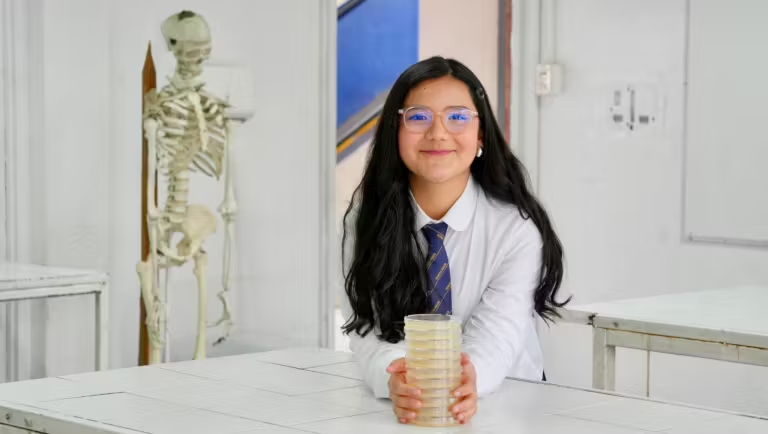
Her tool did not come from a state-of-the-art laboratory, but from one of the coldest and most inhospitable places on the planet.
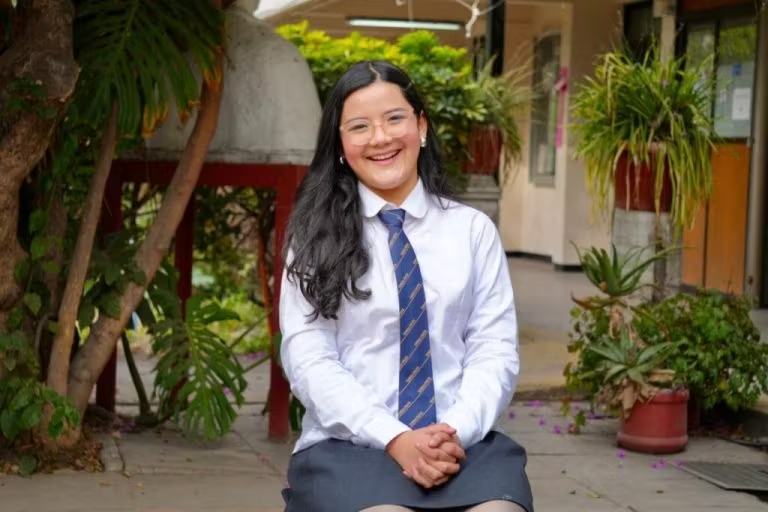
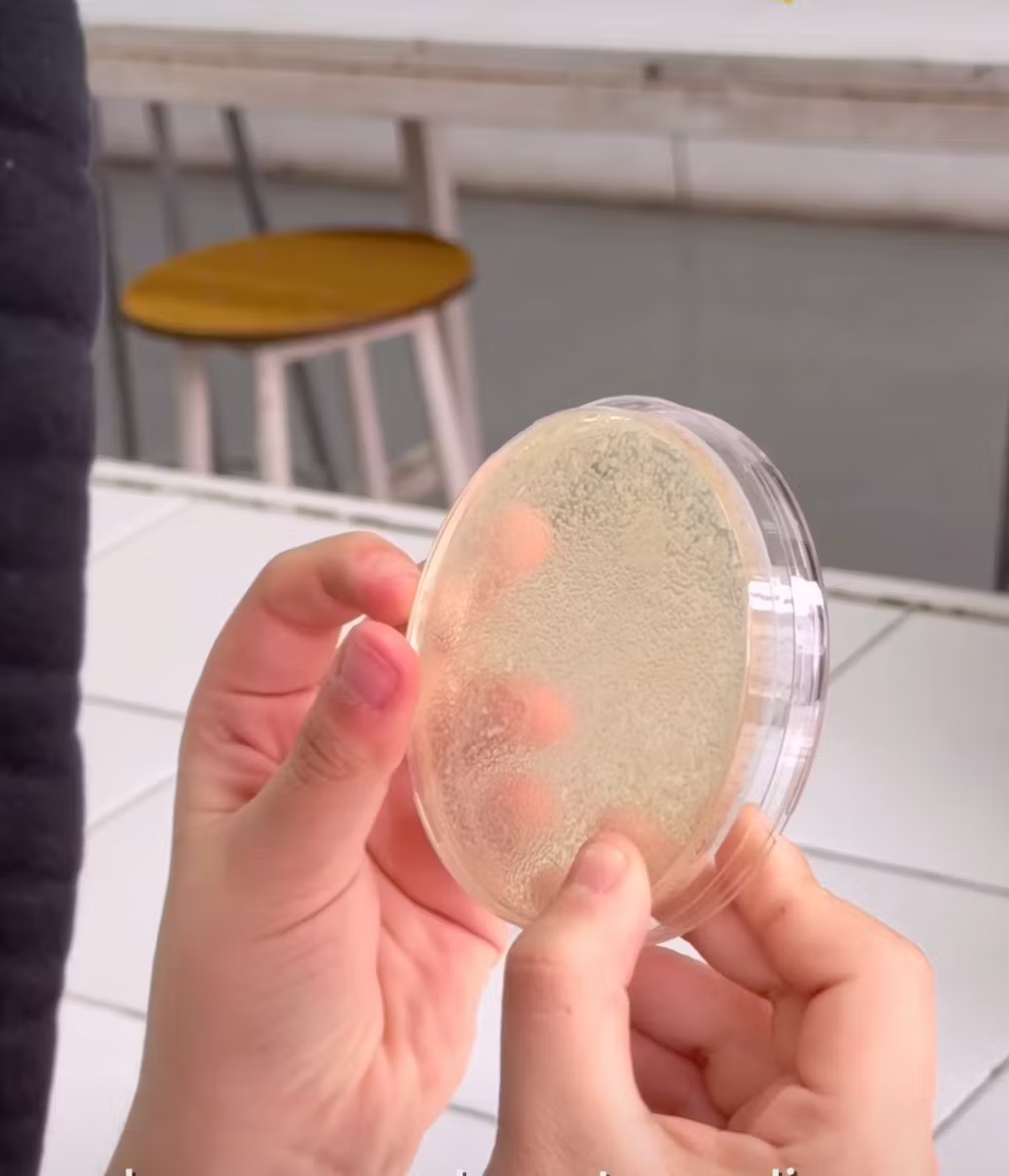
Magdalena is researching how bacteria that survive in Antarctica can degrade sertraline, an antidepressant that millions of people in Chile take daily and that ends up, unbeknownst to almost anyone, in wastewater.
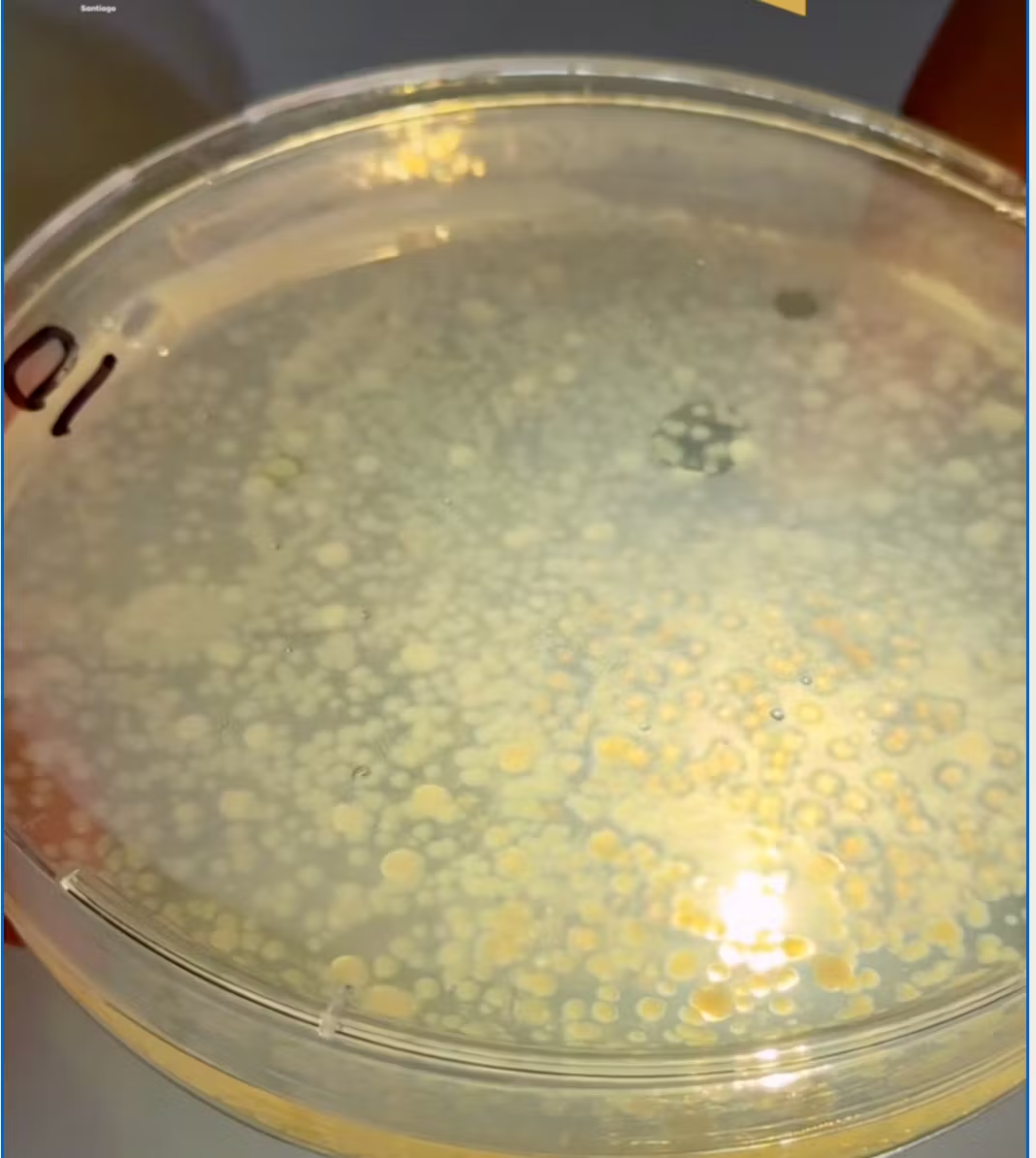
What she is seeking is no small matter: scientific studies have already detected antidepressants even in remote Antarctic waters, with no human activity nearby.
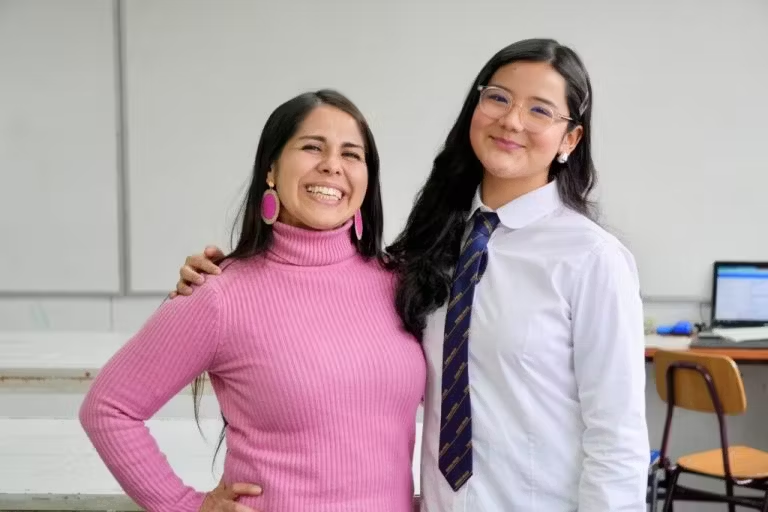
If a 10th-grade student is looking this problem straight in the face, perhaps the next major environmental solution will not come from a major research center, but from a high school.
Interview: