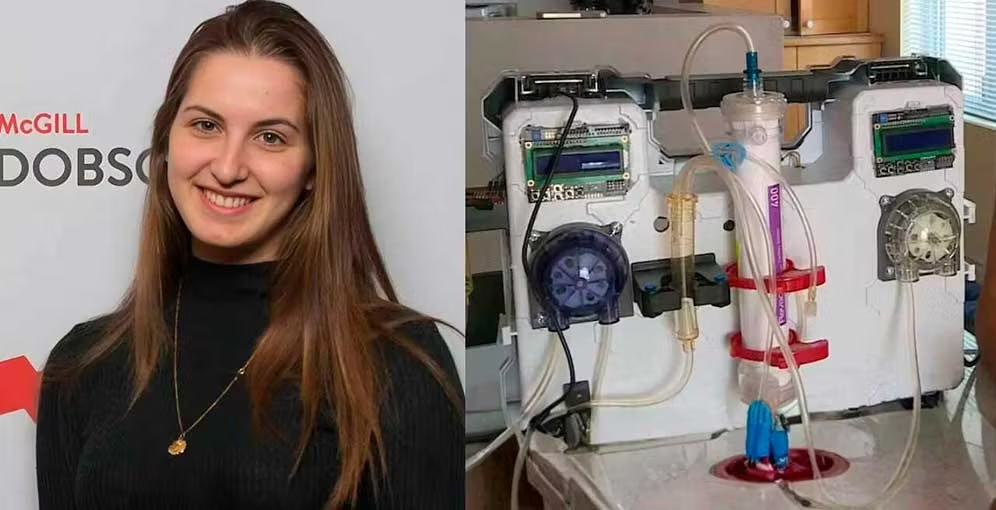
In 2015, Anya Pogharian was 17 years old when she was assigned a science project at her school in Montreal. They asked for 10 hours of work. She turned in 300.
It all started a few months earlier, when she was volunteering in a dialysis ward. There, she saw something she could not forget: exhausted patients, connected for hours to machines costing more than 30,000 Canadian dollars, depending on a hospital to stay alive.
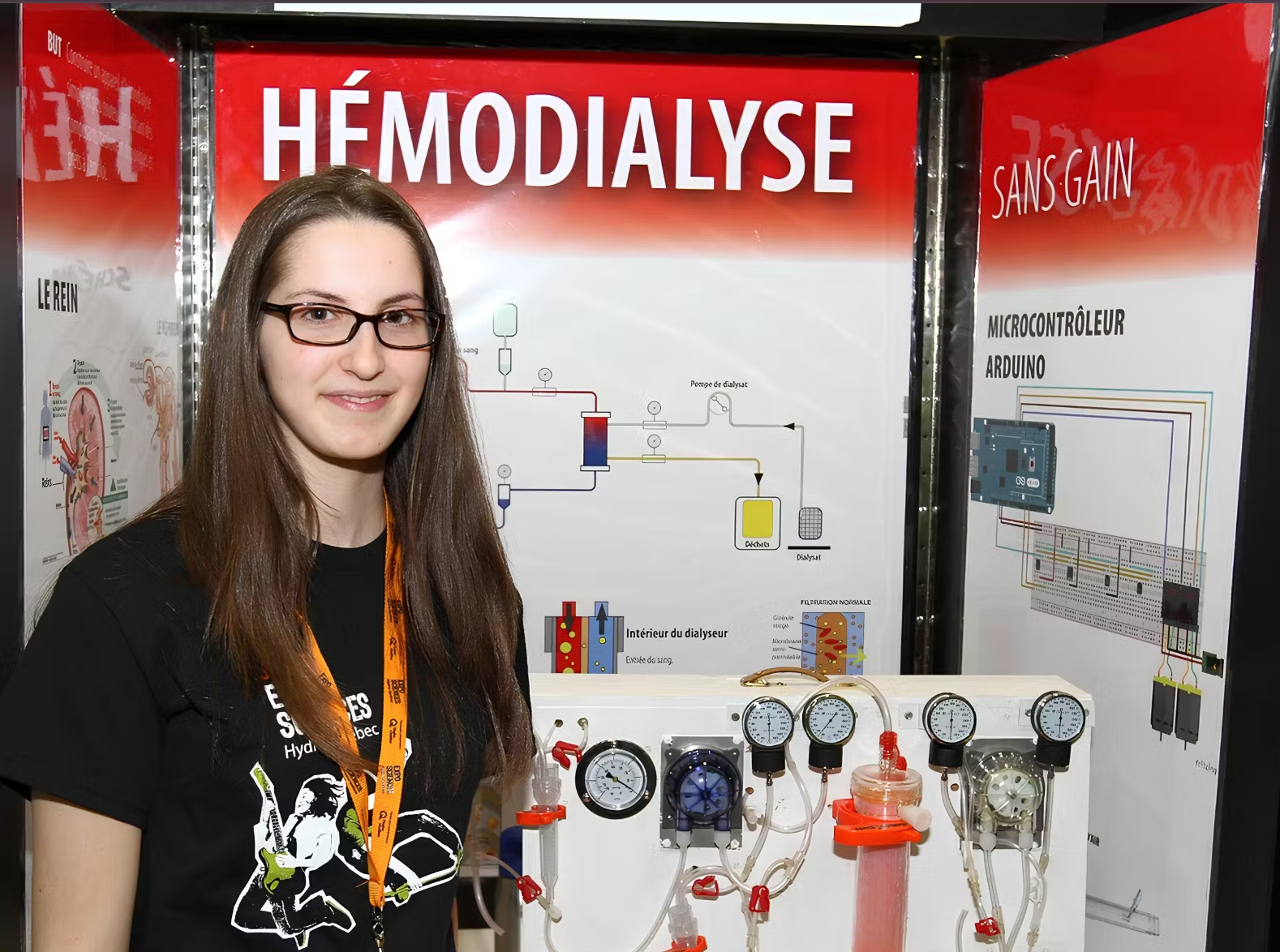
Anya had no laboratory or team of engineers, but she had the internet. She downloaded technical manuals for real dialysis machines and taught herself how they worked on the inside. Then she looked for recycled parts and inexpensive components, and in her spare time assembled a prototype the size of a briefcase.
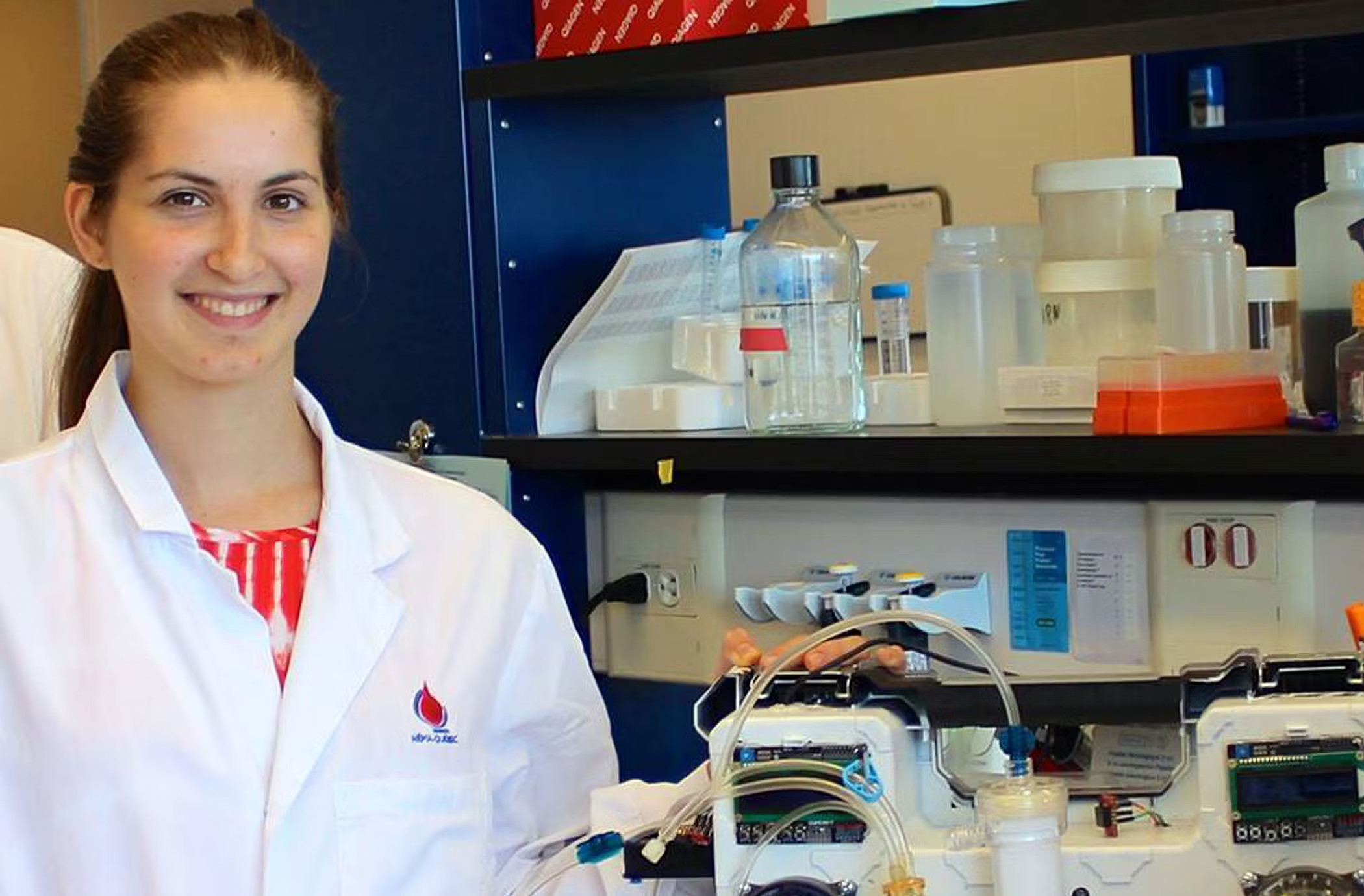
The final cost was 500 Canadian dollars. 70 times less than a hospital machine. In testing, it filtered 4 liters of liquid in 25 minutes, when it was expected to take 2 and a half hours.
As her invention became known, major brands offered to be part of its development, but the device was never sold. Anya was too young for what taking something like that to market on her own entailed, and those who acquired the license disappeared.
Even so, Pogharian would not abandon her dreams, and today she continues to lend her expertise to medical research.
Her invention demonstrated something truly important and inspiring for other young people: that the solution to a seemingly impossible problem can begin with an idea and determination. 💙