On February 6, 2026, a 21-year-old young woman noticed something she initially attributed to an ingrown nail: intense pain and swelling in one finger. She ignored it for a few days. It was an almost irreparable mistake.

What she had was a serious infection triggered by onychophagia, the habit of biting her nails that she had carried since childhood. Each small bite creates invisible micro-injuries in the skin, ideal entry points for pathogenic bacteria. When she arrived at the emergency room, doctors assessed the real possibility of amputating the affected finger. The infection had advanced so quickly that the bone was the next target. Fortunately, tests confirmed in early March that the bacteria had not penetrated the bone marrow. They combined cleaning surgery with intensive antibiotic therapy to contain the damage.
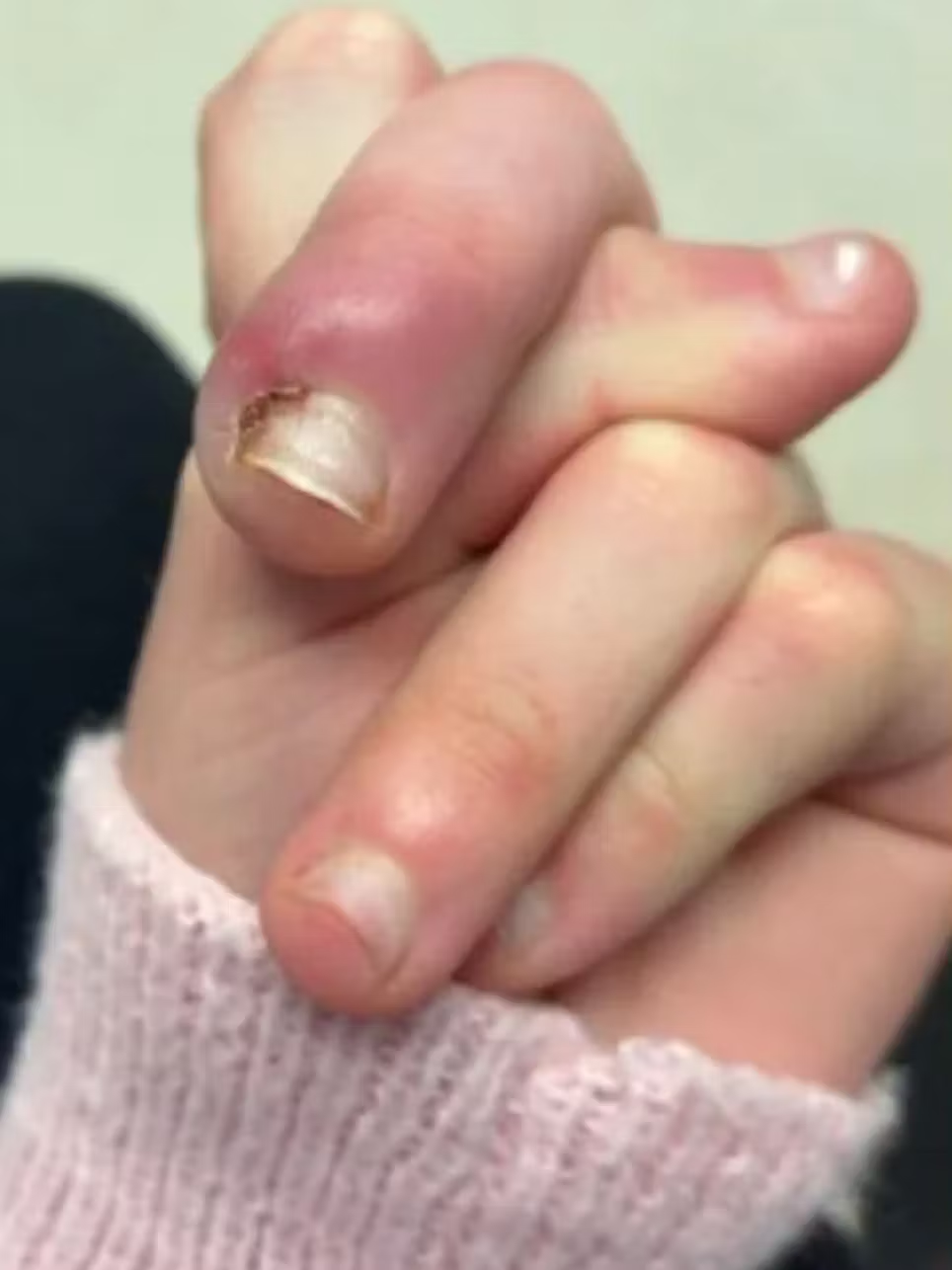
What for decades seemed like a nervous tic with no real consequences could have cost her a part of her body. If you also have this habit, this case has a name, a date, and a scalpel to remind you that the risk is not abstract.