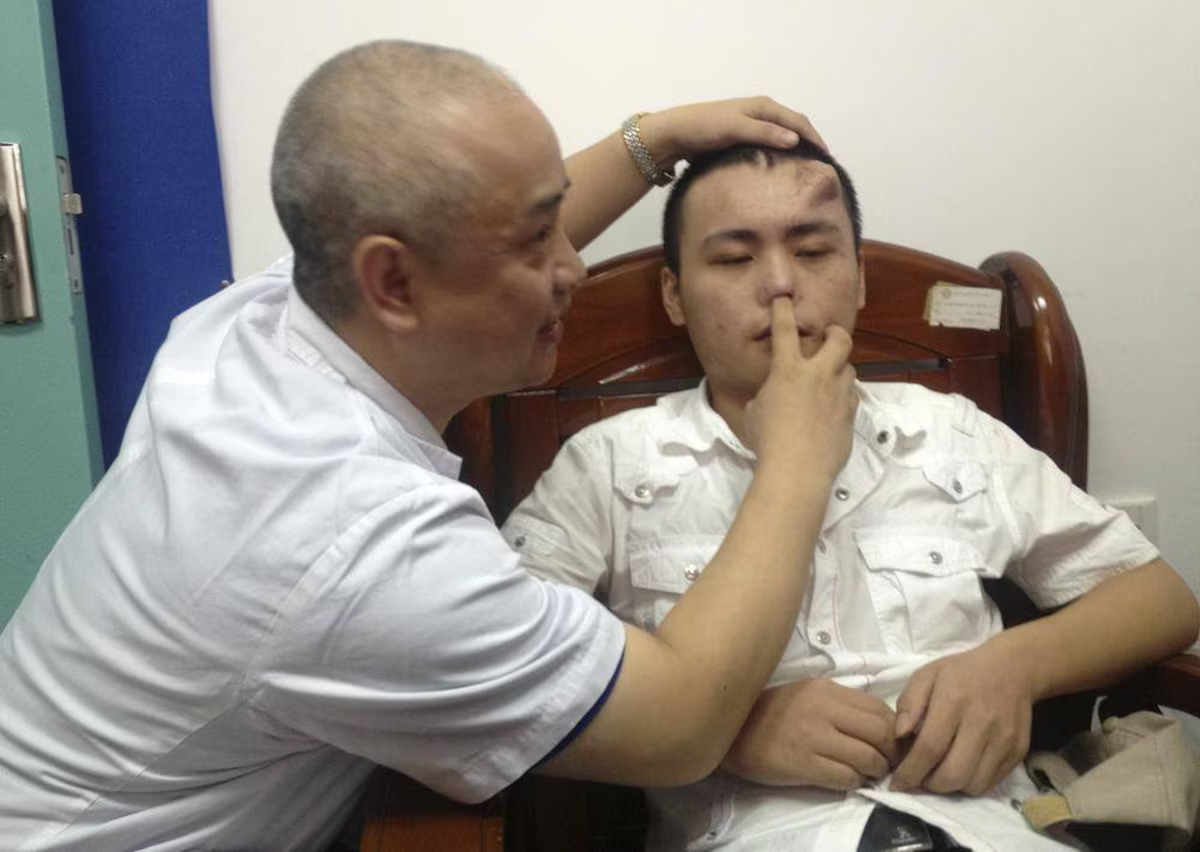
A traffic accident in August 2012 damaged Xiaolian’s nose, a 22-year-old young man in China. What followed was not the reconstructive surgery one might imagine. It was a year of negligence, a silent infection that advanced unchecked and completely destroyed the original nasal cartilage. When doctors assessed the damage, the conclusion was cold and direct: the nose could not be saved. A new one would have to be built.
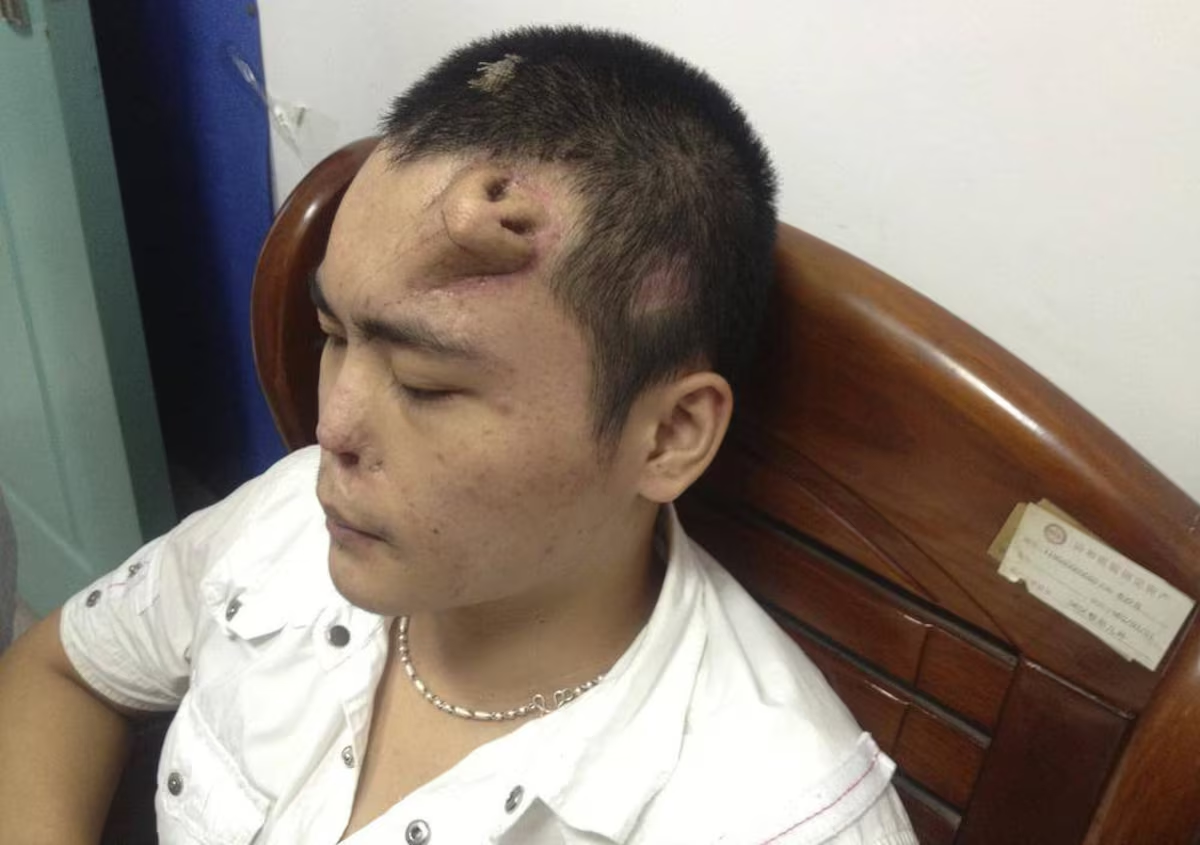
The technique chosen is what makes this case hard to look at and even harder to forget. Surgeons extracted cartilage from Xiaolian’s own ribs, carved it into the exact shape of a nose, and implanted it beneath the skin of his forehead, where a tissue expander kept it alive for months as it took shape. By September 2013, the nose had fully grown in that location. Functional, supplied with blood, integrated into the patient’s body, but visible on his forehead.
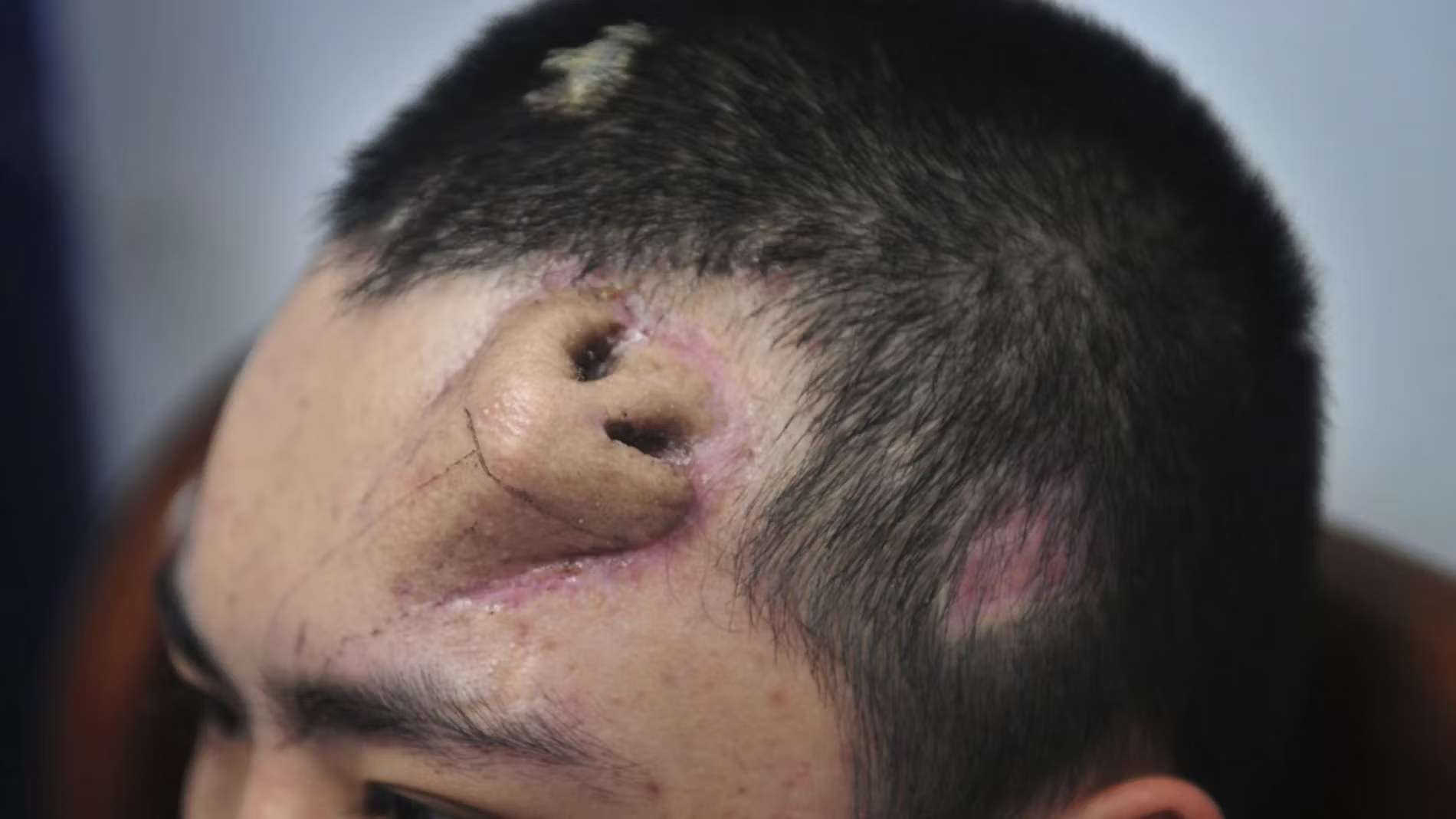
The medical team confirmed that the structure was in good condition and ready to be transplanted to its final position within days. What does not exist in the available records is any later confirmation of the final outcome. The technique was described at the time as a procedure with no documented precedent in Chinese medicine.