
Caitlin Leggett, 24, Cardiff, noticed a skin rash in March 2025. No fever, no fatigue, none of the classic symptoms. Just a patch that wouldn’t go away with any cream.
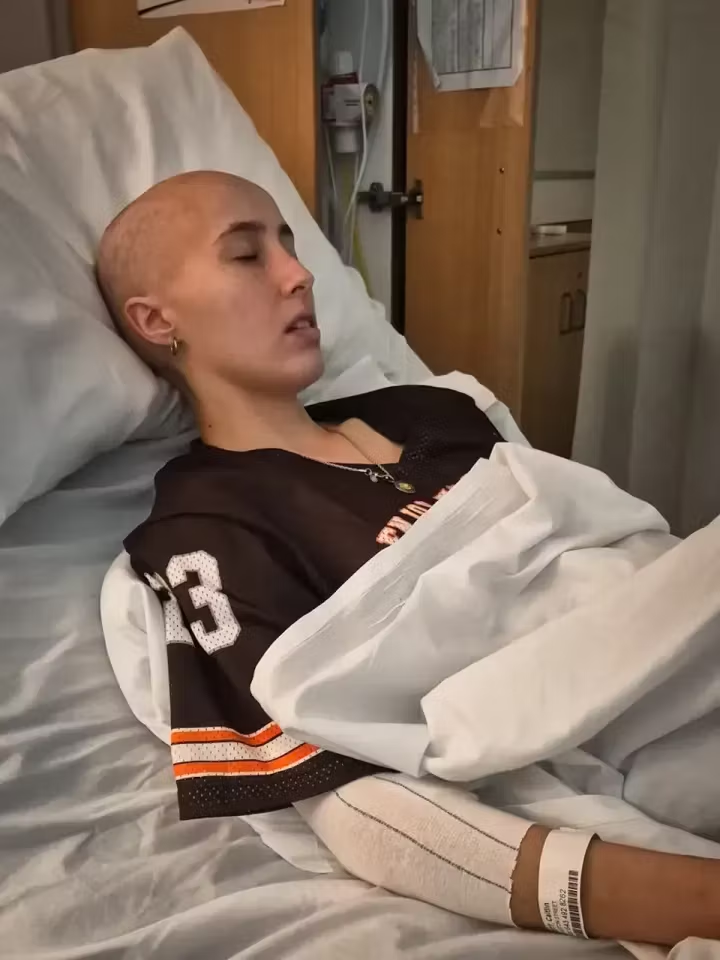
One day after the blood tests, she received the diagnosis: acute myeloid leukemia, one of the most aggressive blood cancers, with a five-year survival rate below 20%. What followed was an unusual clinical sequence even for oncologists: remission, atypical cutaneous relapse, a trial with menin inhibitors in Manchester, a second stem cell transplant with total body radiotherapy, a new remission in January 2026, and a fast-growing relapse four months later.
Her twin sister Grace, considered the ideal donor, was ruled out when genetic tests revealed that the two are identical twins—not fraternal as they had believed all their lives—which makes the transplant unfeasible because of deliberate immunological incompatibility.
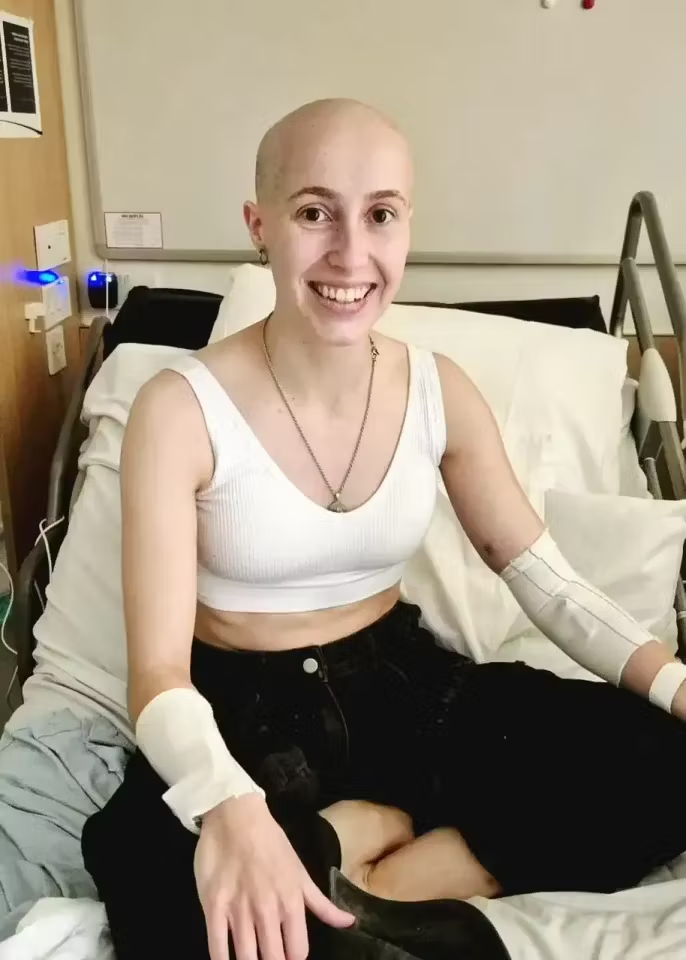
Doctors are giving her six months under the current regimen. Caitlin is seeking CAR-T therapy in China or Singapore and specialized treatment in the United States. The estimated cost: 500,000 dollars. The question dividing those following her case: is the healthcare system obligated to fund experimental treatments abroad when national protocols are exhausted, or does that responsibility fall on the individual?