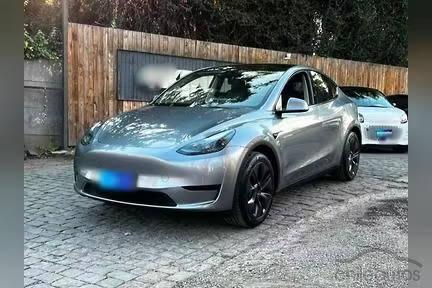
It was 3:50 in the morning on November 15, 2025, when 55-year-old John Brandt felt his chest tightening as he drove his Tesla Model Y on Interstate 20, between Atlanta and Birmingham. The autonomous driving system had the car on autopilot, but he could no longer stay conscious or take control.
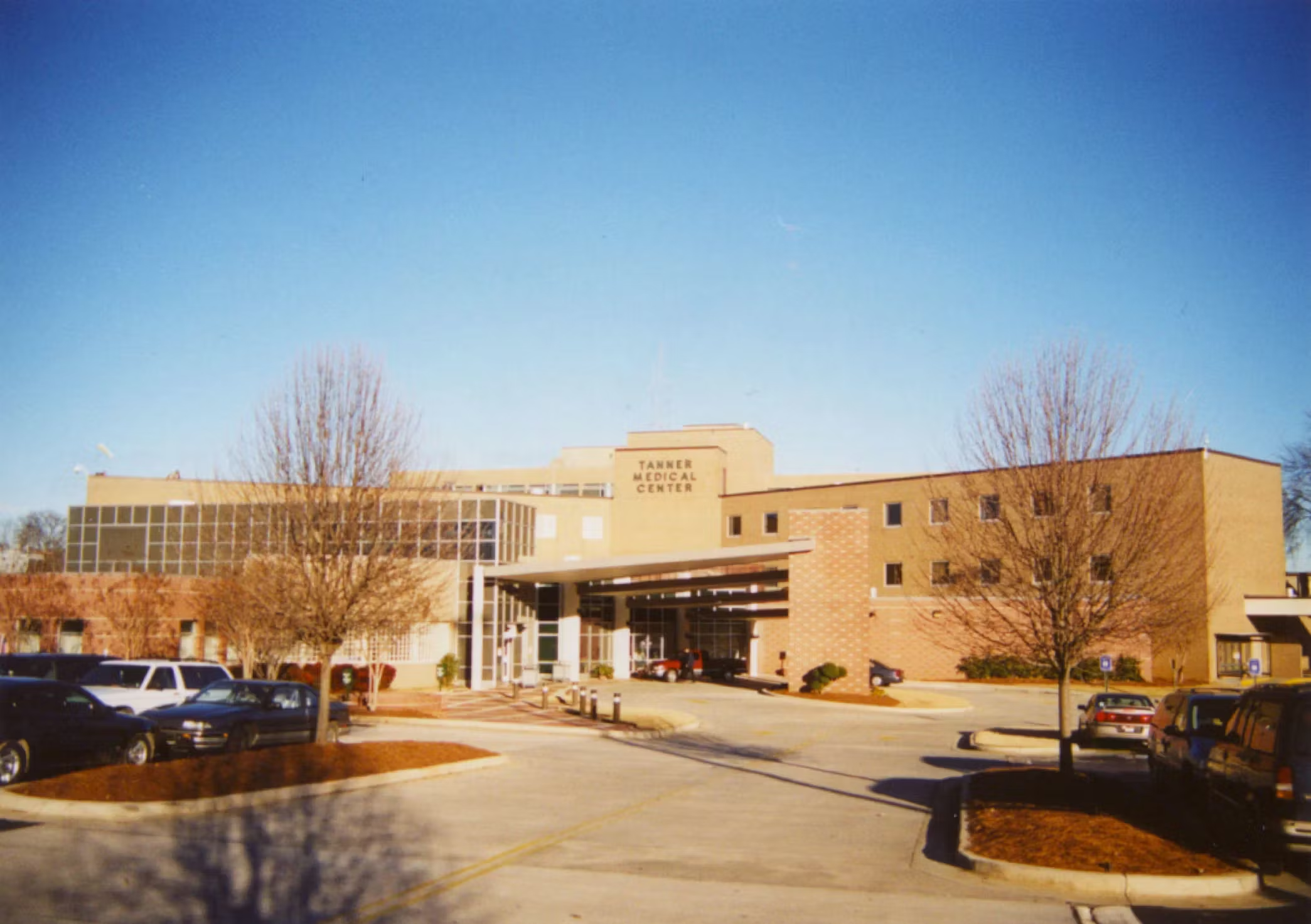
He managed to call his son Jack, who from his own Tesla in another state accessed the app, searched for “hospital” and changed his father’s vehicle’s destination in seconds. The car turned on its own toward Tanner Medical Center in Carrollton, Georgia, while Jack called to warn them that a critical patient was on the way. John, fighting not to lose consciousness, even activated the car’s maximum speed mode to get there sooner.
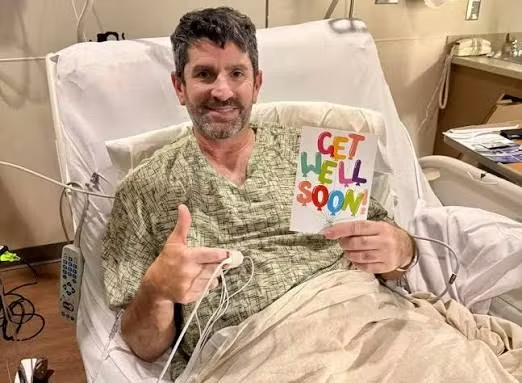
A team that had already been alerted was waiting for him at the hospital. Doctors diagnosed a massive STEMI heart attack with three blocked arteries and were clear. If he had stopped to wait for an ambulance, he would not have survived. Tesla celebrated the outcome, but warned its customers not to rely on repeating this maneuver.