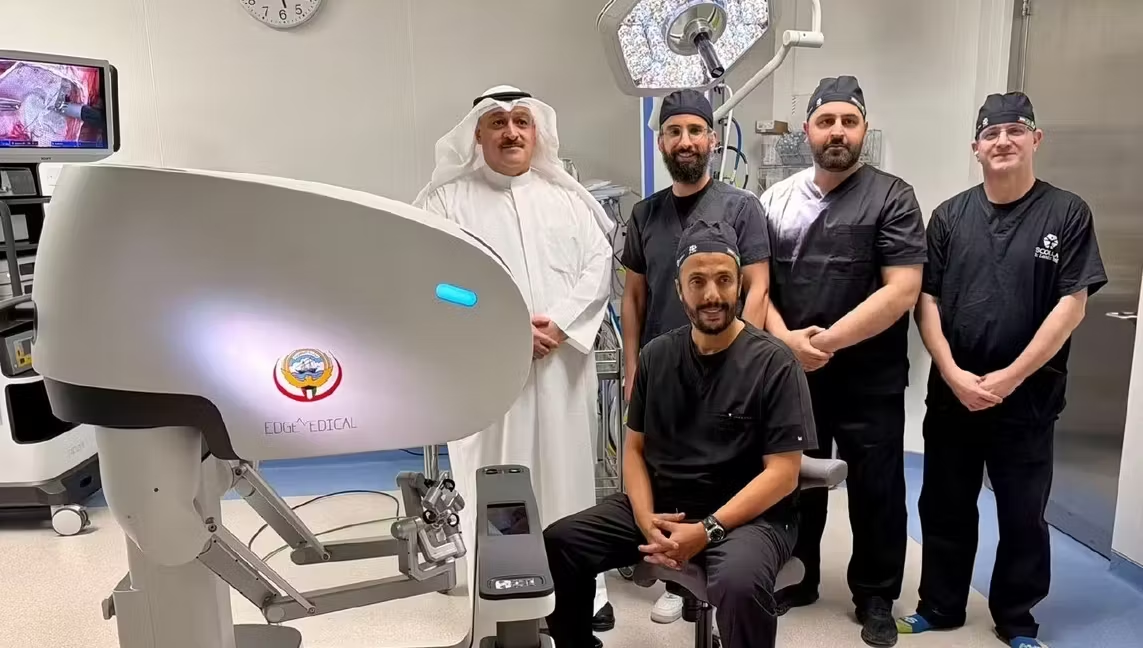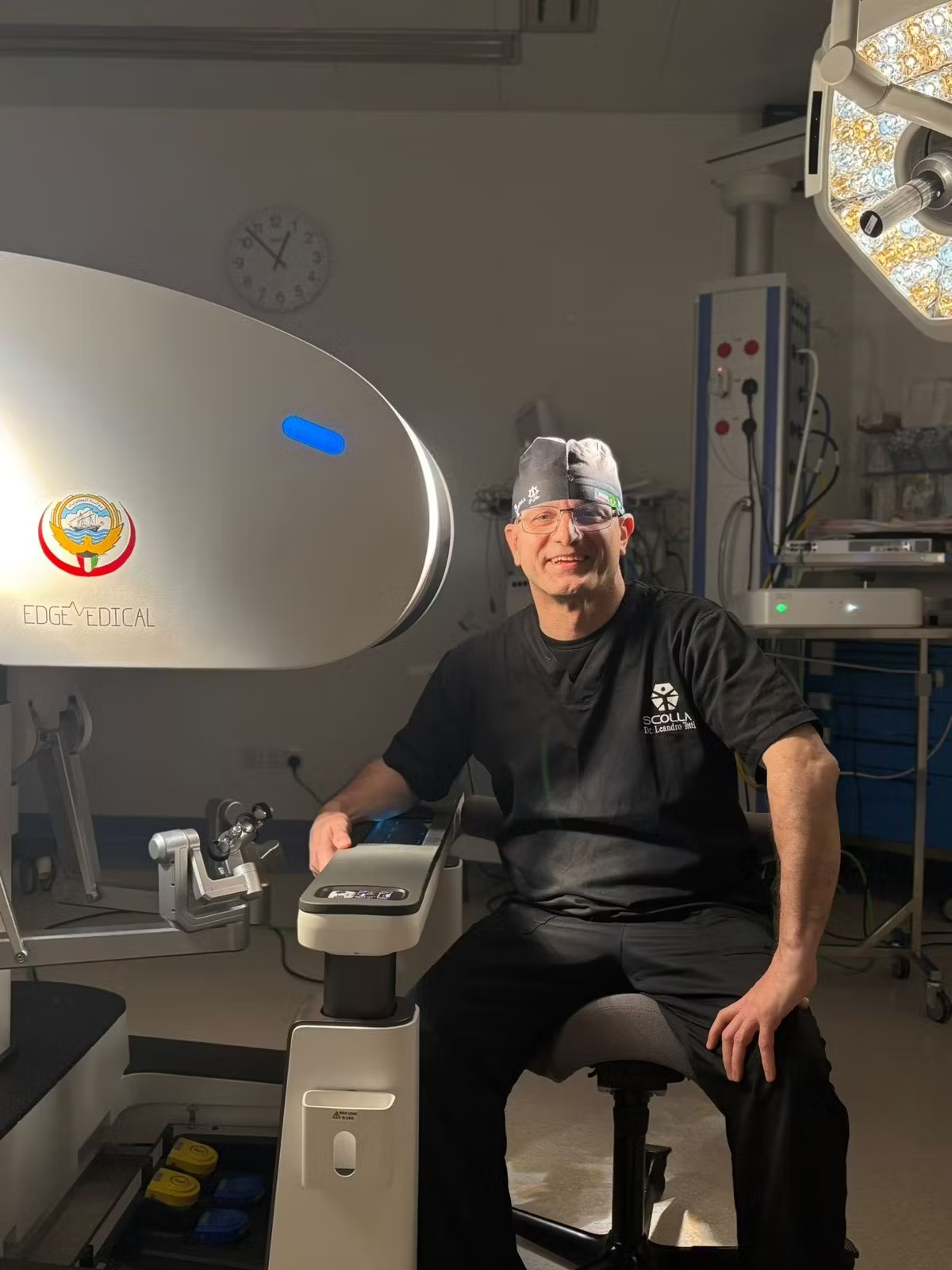
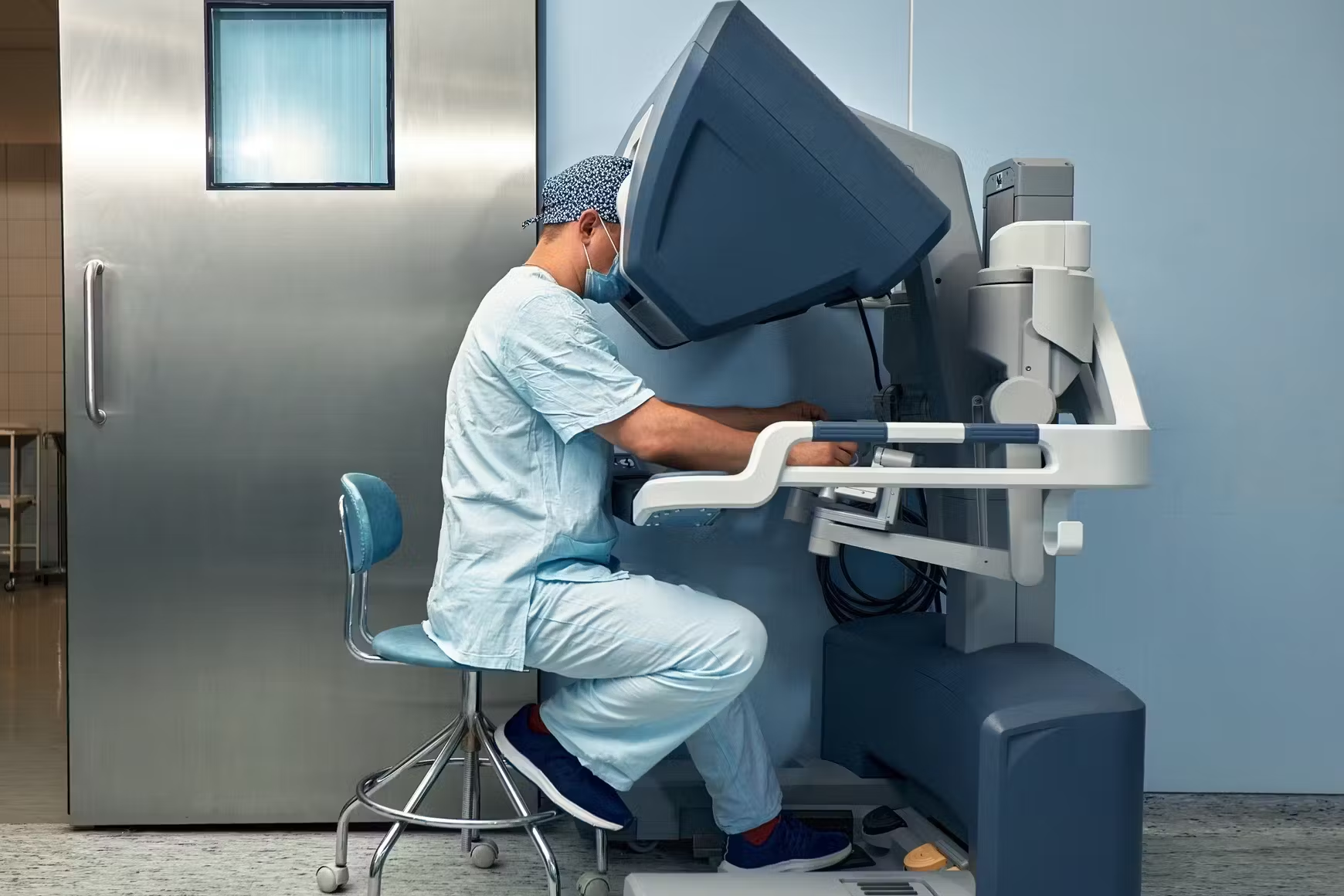
Leandro Totti Cavazzola was in Kuwait. His patient was in Curitiba, Brazil. There were 12,034 kilometers between them, and yet the surgeon at the Hospital de Clínicas de Porto Alegre operated on an inguinal hernia as if he were standing beside the hospital bed.
The procedure was performed on September 23, 2025, using a state-of-the-art surgical robot controlled through a system that decodes signals in real time. Despite the enormous distance between the surgeon and the patient, the connection recorded an average latency of 199 milliseconds; that is, this was the delay between Cavazzola’s movements and the response of the robot reproducing his actions in Curitiba. That same day, the reverse took place: a medical team traveled from Kuwait to Curitiba and also operated remotely on a patient who had remained in their country. It was the first time robotic telesurgery worked in both directions on the same day.
Guinness World Records confirmed it on October 3: it is the longest-distance telesurgery ever performed, surpassing the previous record between Casablanca and Shanghai. Behind the feat was Marcelo Loureiro, who coordinated hospitals, engineers, and telecommunications teams on two continents so that distance would no longer be an obstacle.