
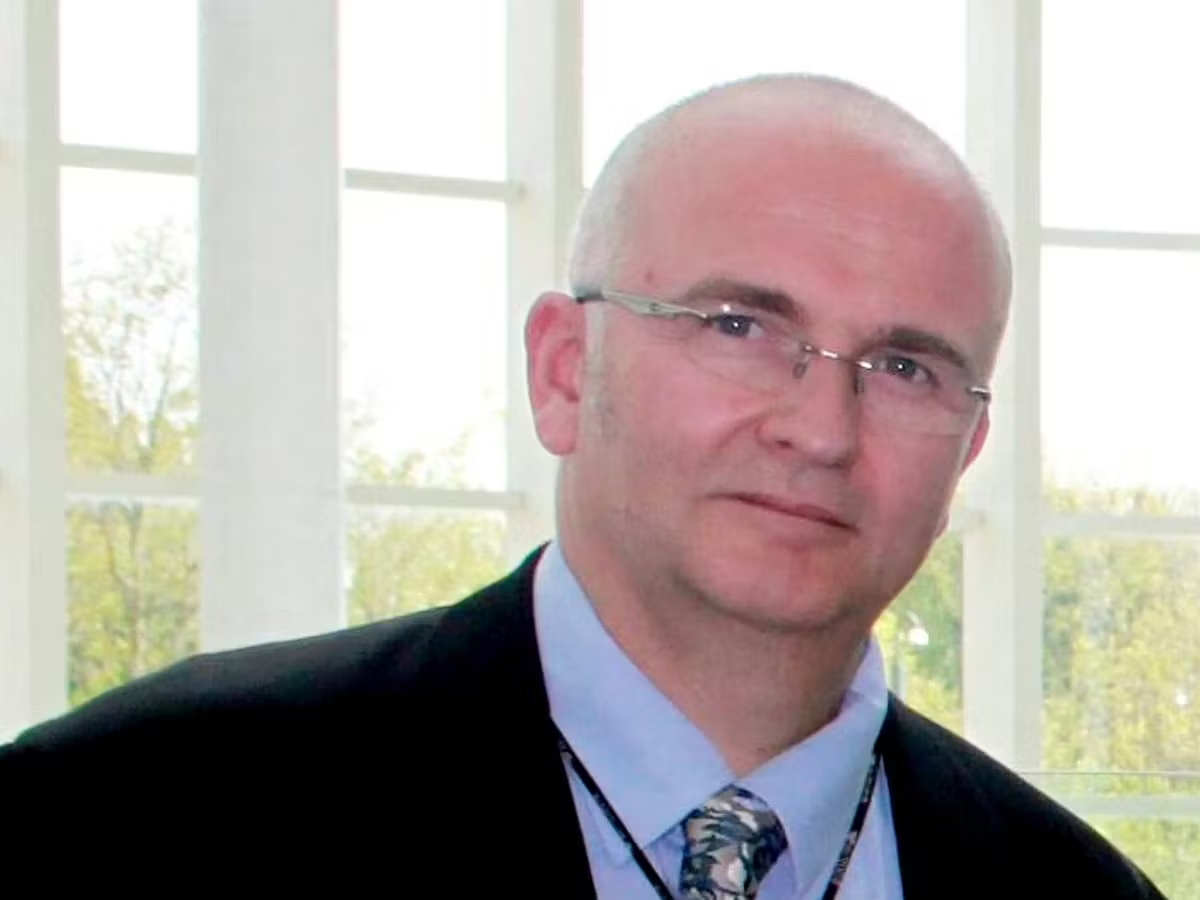
In 2013, Simon Bramhall was one of the most highly regarded liver transplant surgeons in the United Kingdom. He operated at the Queen Elizabeth Hospital in Birmingham. He saved lives. And at the end of two transplant surgeries — in February and in August of that year — he did something no medical protocol contemplates: he took the argon coagulator, the same instrument used to stop hemorrhaging, and etched his initials “SB” into his patients’ newly transplanted liver. They were under anesthesia. The surgical team was present. No one stopped him. The argon instrument leaves marks that normally heal and disappear on their own. But on one of the livers, the initials did not fade. It was another surgeon who, months later, during a second follow-up procedure, found them. That chance discovery changed everything. In 2017, Bramhall pleaded guilty before Birmingham Crown Court to two counts of assault. He argued that he did it to “relieve stress during long and difficult operations”. The prosecutor described it differently: a deliberate act on unconscious patients, without their consent. The debate that remained open is no small matter: can a physical act be a crime if it leaves no permanent harm?