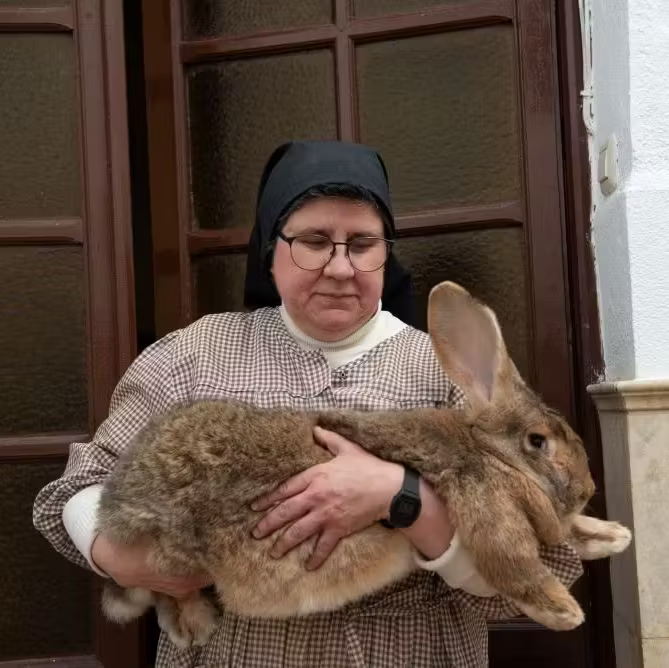
Sister Consuelo Peset is 54 years old and, before praying or having breakfast, she checks the cages.
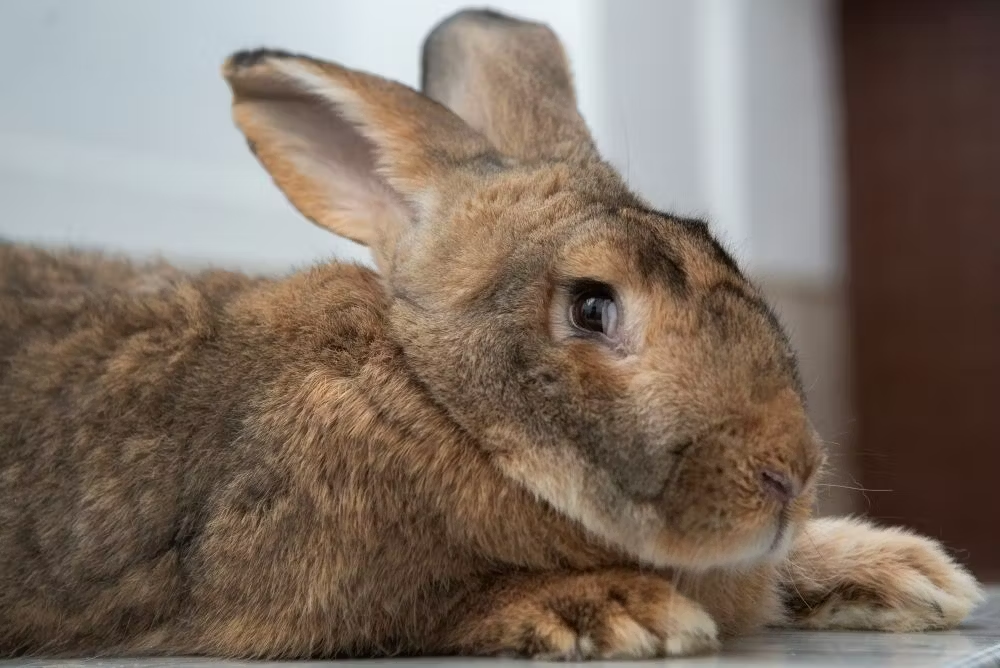
At the Convent of Saint Anthony of Padua, in Toledo, she and other sisters from a community of eleven cloistered nuns care for more than 30 giant Spanish rabbits, a breed that can weigh up to 9 kilos and that almost no one remembers today. But during the Civil War and the postwar period, this animal fed thousands of families and orphanages throughout Spain when there was almost nothing else to eat.
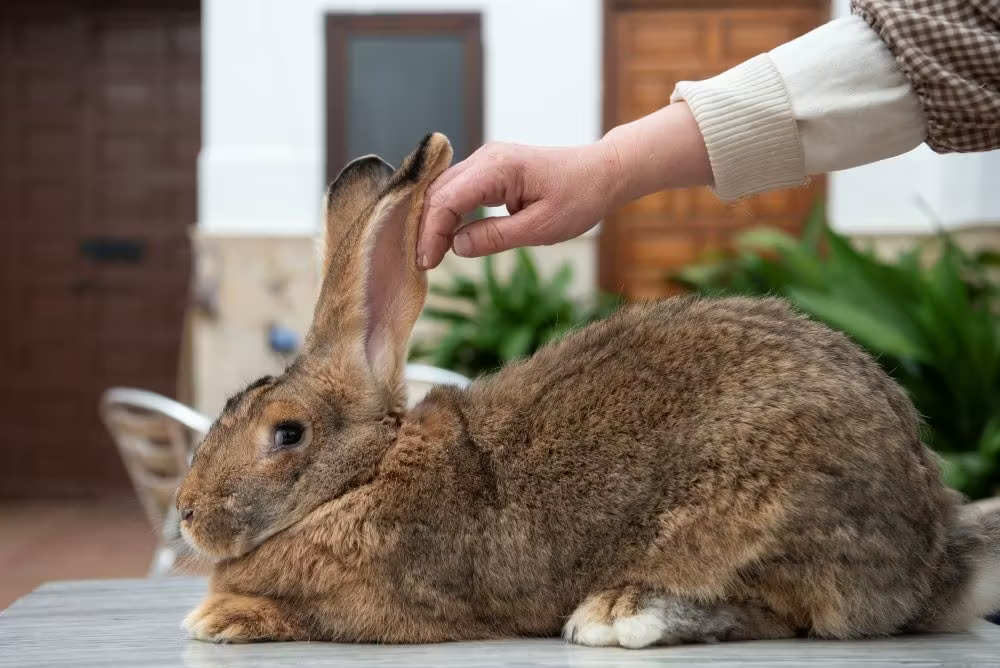
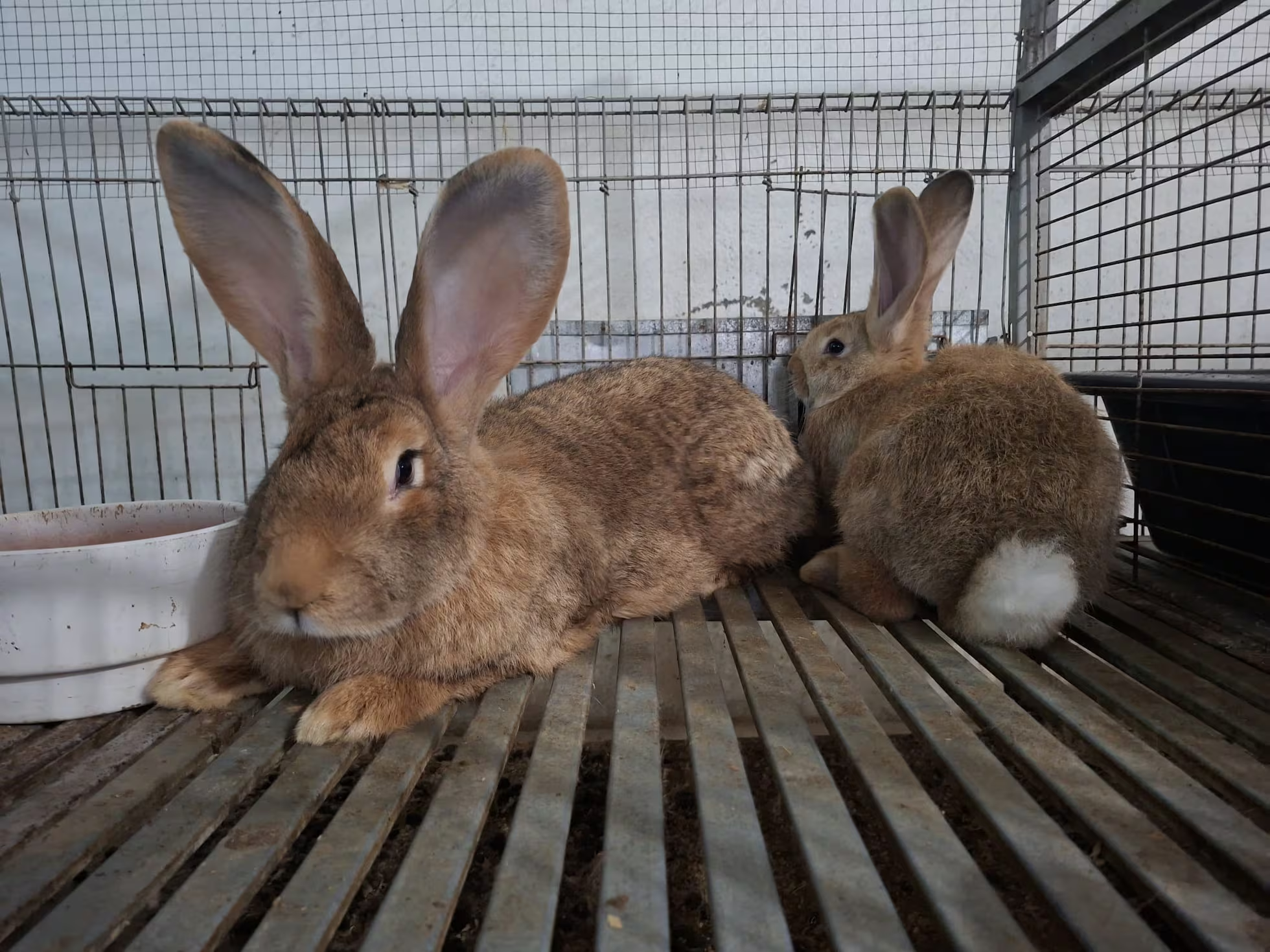
What began three decades ago, around 1996, as a gift from her parents—a simple pair of rabbits—ended up becoming, about ten years ago, a project dedicated to preventing this breed from disappearing. The animals are part of a conservation farm with microchips, genetic monitoring in partnership with Complutense University, and refrigerated cages, because they suffer if the thermometer rises above 26 degrees. Even so, bureaucracy prevents them from selling the specimens: they can only donate them. “We are forgetting our history”, says Sister Consuelo, while the community supports itself by selling artisanal sweets in the convent shop.