
Mike Wells was a freelance photographer working for the British organization Save the Children, documenting life in Swaziland—now Eswatini—and Malawi. It was then that a small change in his itinerary completely changed the world.
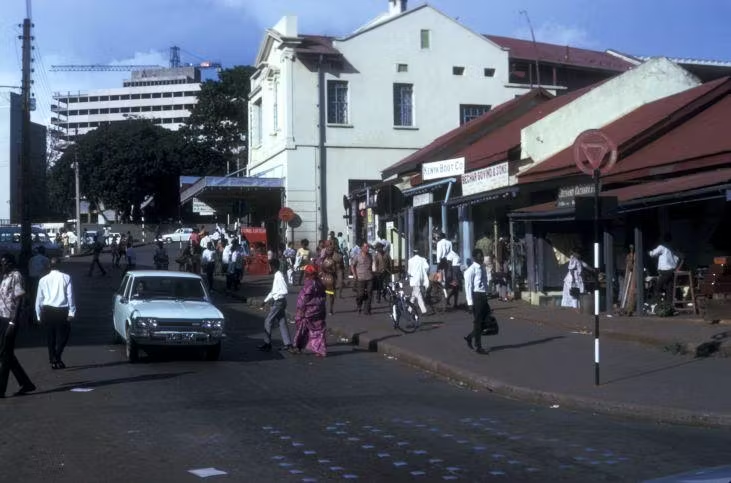
Mike decided to visit Uganda and, on April 1, 1980, found a group of missionaries known as the Verona Fathers distributing among the population the little grain they had left. A drought had destroyed the country’s crops two years earlier, but Idi Amin’s government never responded. When his regime fell in 1979, weapons were left lying around, cattle theft and violence increased, and hunger finally closed in.
At that moment, a monk pointed out a Ugandan child of about four years old and placed his hand next to the child’s. Wells was so overwhelmed by the scene that he took the photograph without thinking about the composition. There was no time for that.
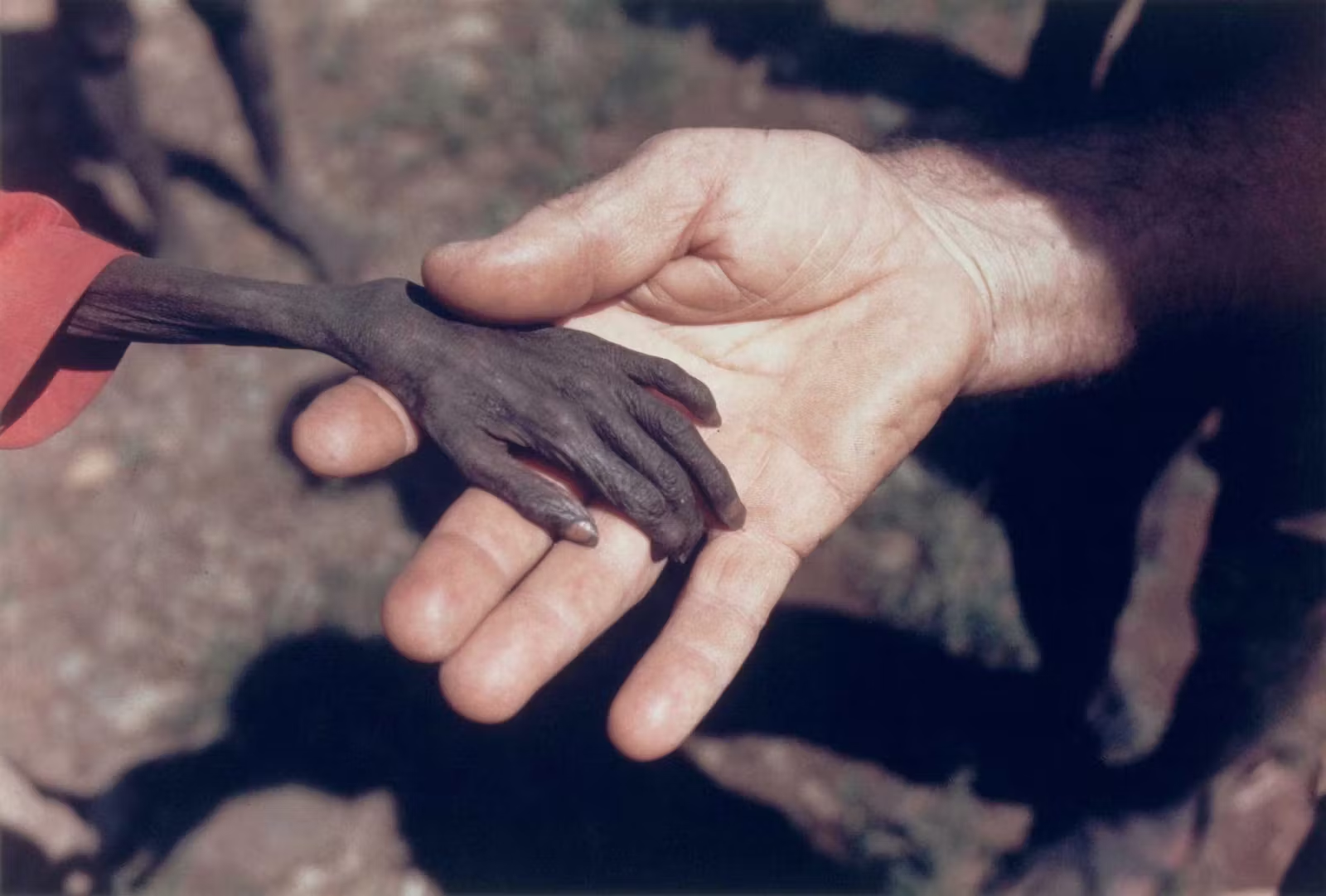
The child’s hand, so small and so broken, barely seemed human. That was the phrase everyone would later use to describe it.
The magazine that received it kept it for five months before publishing it. It then entered it, without telling Wells, in the World Press Photo. It won the award that year in 1981.
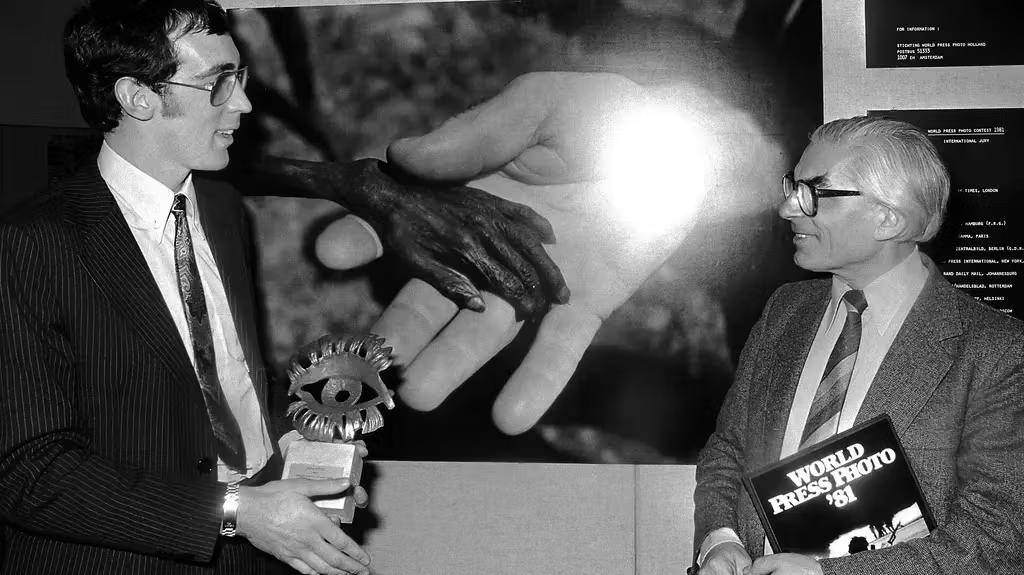
Although the photo had a huge impact and helped show the world the devastating reality of the famine, Wells never wanted that award. He admitted feeling ashamed: it did not seem right to him to win awards thanks to photographs of people starving to death.
It was exploiting suffering.