
In a rural area of India, a girl saw her sick father lying on a charpai, a traditional wooden bed that, in the absence of an ambulance, ended up being turned into an improvised stretcher.
She waited. But help never came.
So she took a rope, tied it to the frame, and began to pull. She walked alongside a busy road, dragging her father as she made her way toward a place where he could receive care. She was a girl doing what an ambulance was supposed to do: transport a sick man when he needed it most.
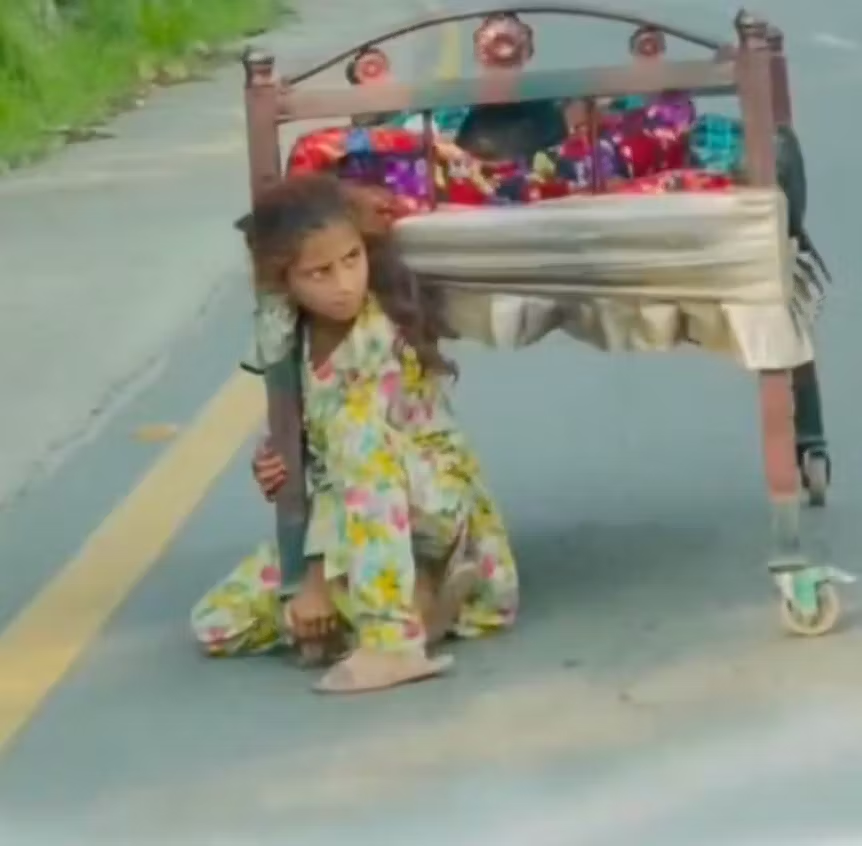
The scene, captured on video, quickly went viral. Thousands of people were moved when they saw the little girl making her way along the road, carrying the weight of her father and an urgency that could not wait.
But behind that image lies something more difficult to ignore.
For her, there was no time to wonder why the ambulance was not coming. She could not wait for someone to solve the problem. Her father needed help, and she decided to walk.
In many places, an ambulance means making a call and waiting a few minutes. In rural and remote areas, it can mean an endless wait.
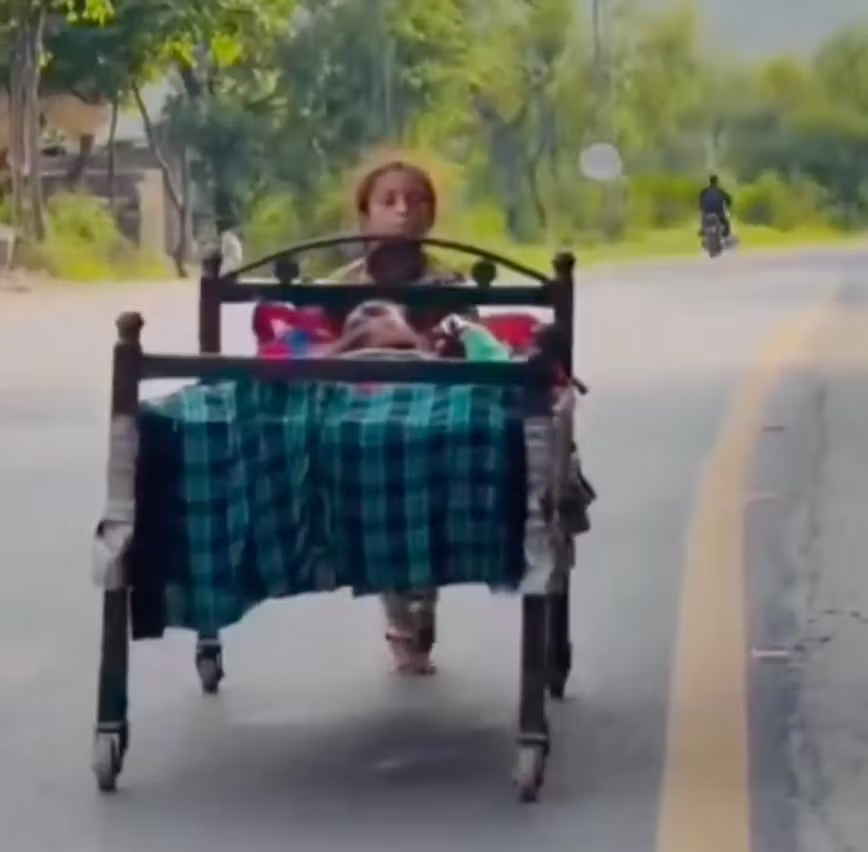
That day, a girl took a rope and turned her own hands into the only help available.
And there remains a question that hurts more than the image: what does a family do when the medical help it needs simply never arrives?