She had neither a mother nor a troop when they found her.
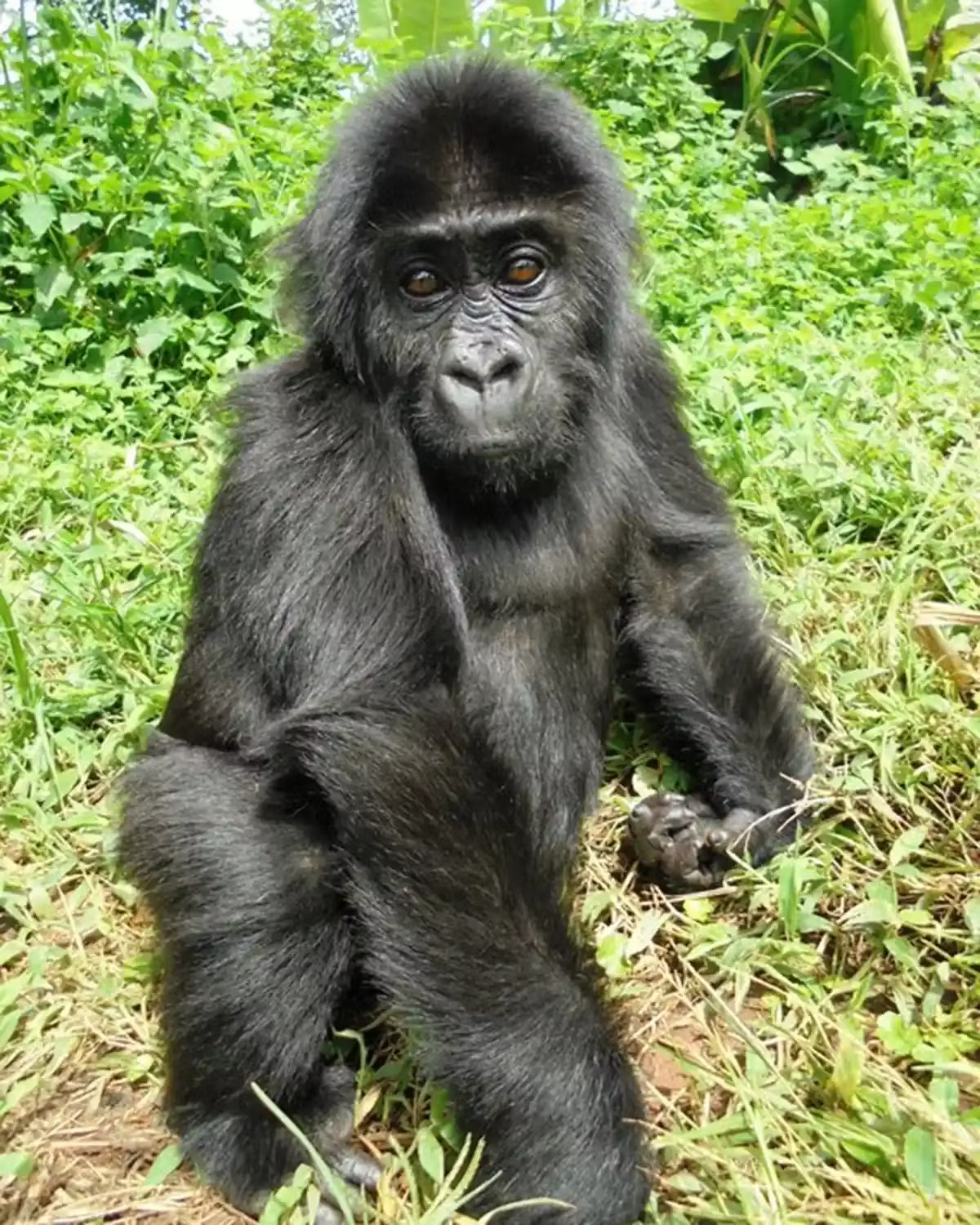
She was barely an eastern lowland gorilla infant, one of the most endangered species on the planet, lost with no one to protect her in the forests of the Congo. The rangers of Virunga National Park rescued her from the illegal wildlife trade, fed her and cared for her for months before attempting something that rarely succeeds: returning her to her natural home, on Mount Tshiaberimu, and hoping she would survive on her own among her kind.
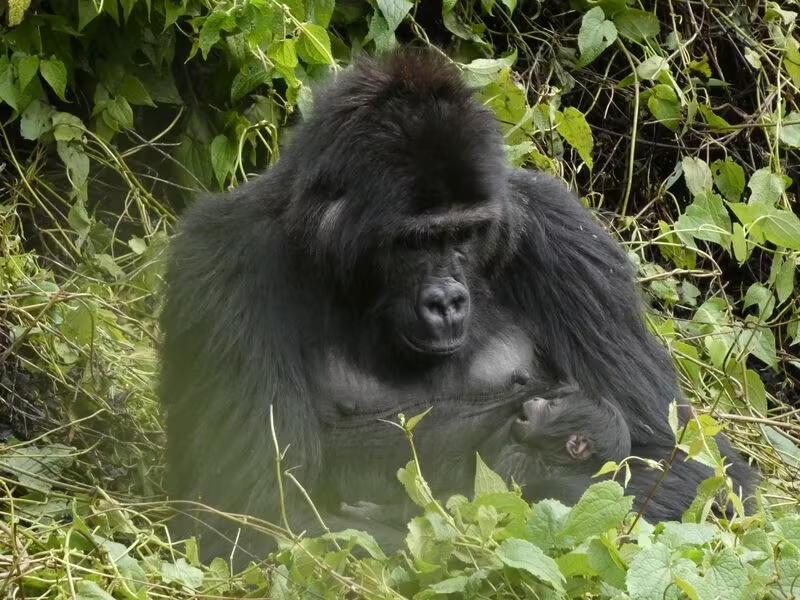
She survived. And not only that: a few days ago, the rangers saw her nursing her own offspring, carrying it against her chest, playing with it among the vegetation. Both are healthy. For a species in which every birth counts and every fertile female represents genetic hope, this mother who was once a rescued orphan represents something much greater than herself: proof that returning an animal to the wild can work, generation after generation.