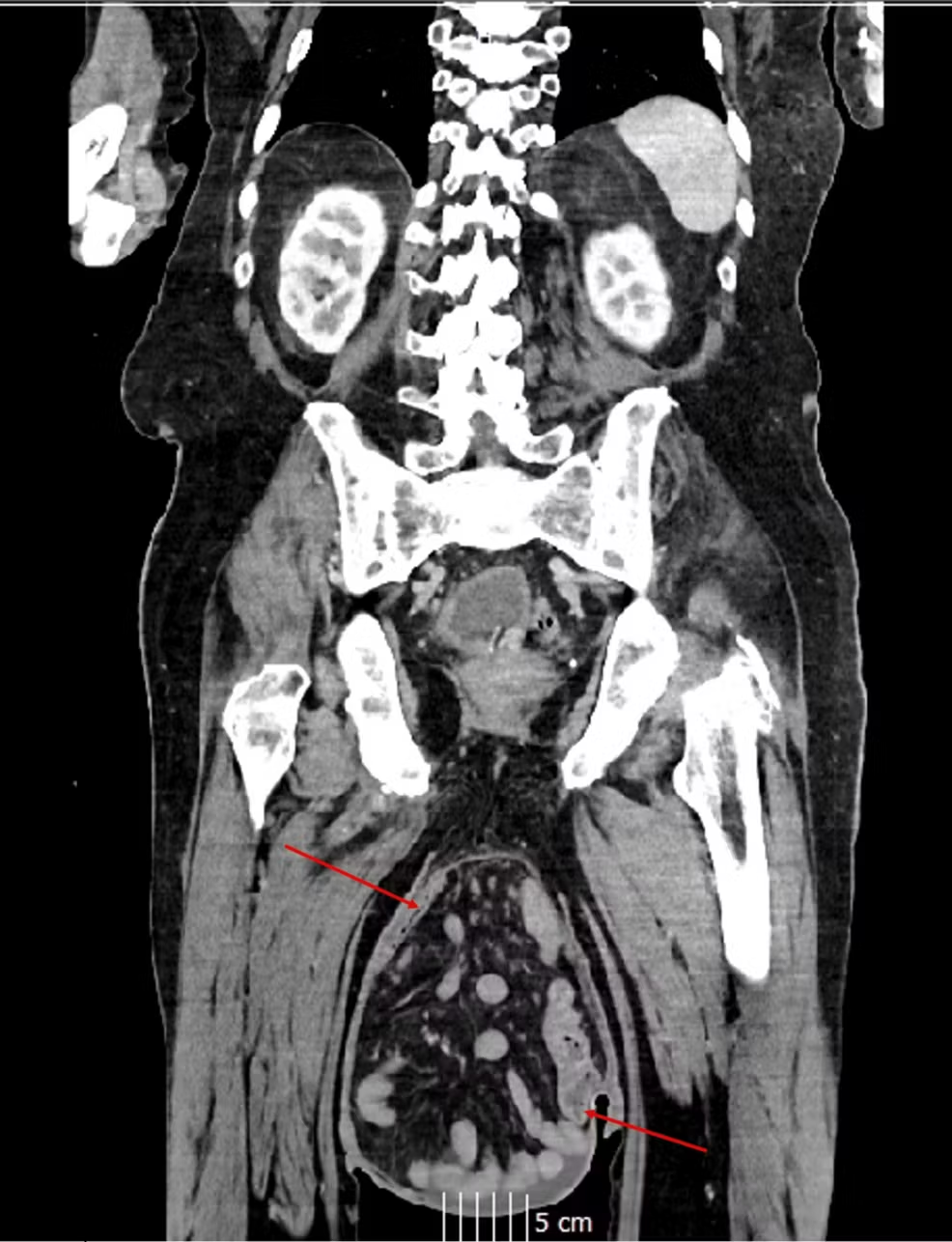
An elderly man arrived at Great Western Hospital in Swindon, UK, with something that didn’t add up: a huge left inguinoscrotal hernia, painful to the touch, and vomiting that wouldn’t stop.
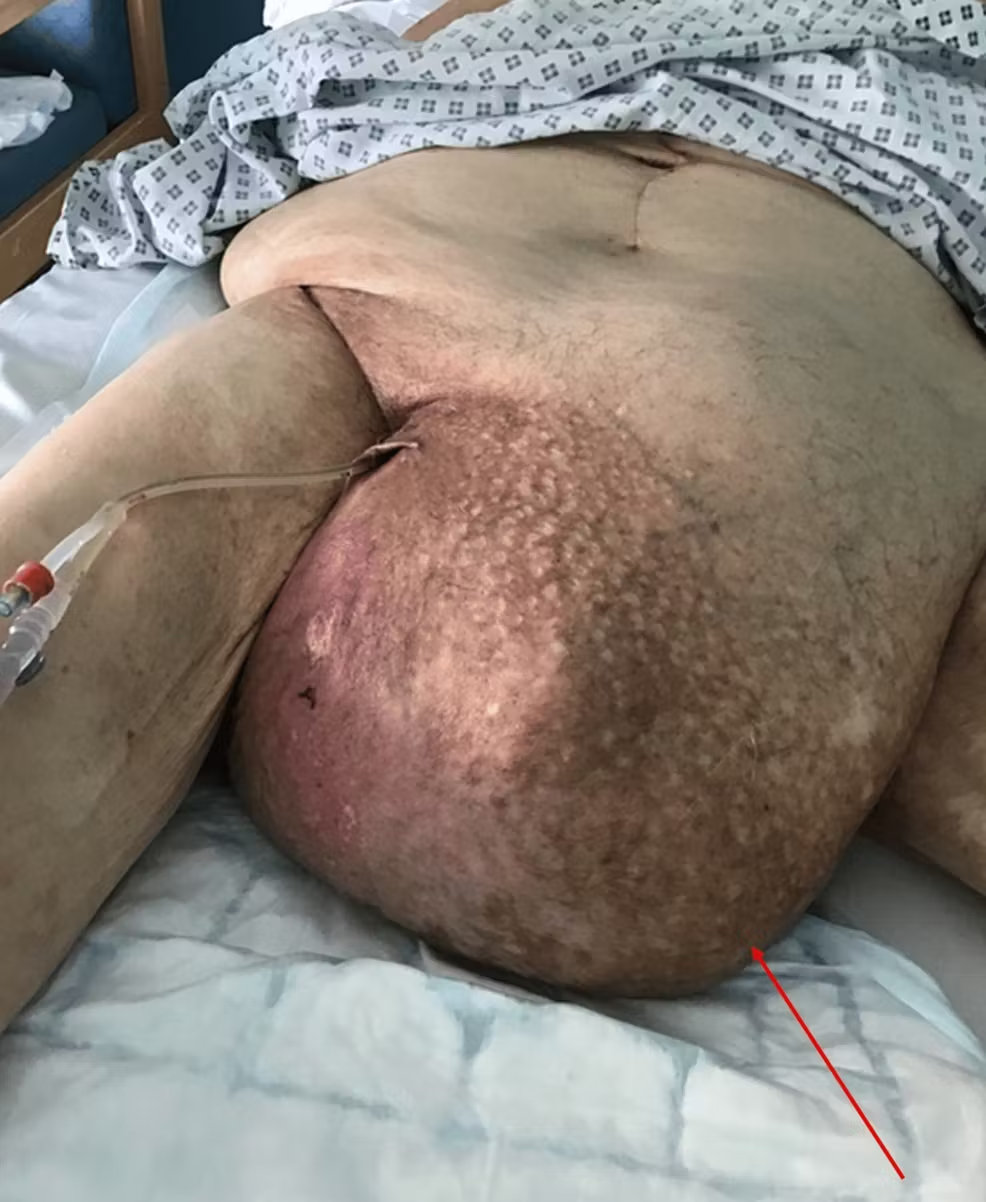
The doctors suspected the usual culprits: intestine or fatty tissue trapped in the inguinal canal. But the CT scan showed something else: the patient’s stomach had slipped out of place and become lodged inside the hernia, with signs that it was no longer receiving adequate blood flow. It is such a rare condition that the medical literature records only 21 documented cases worldwide between 1942 and 2020.
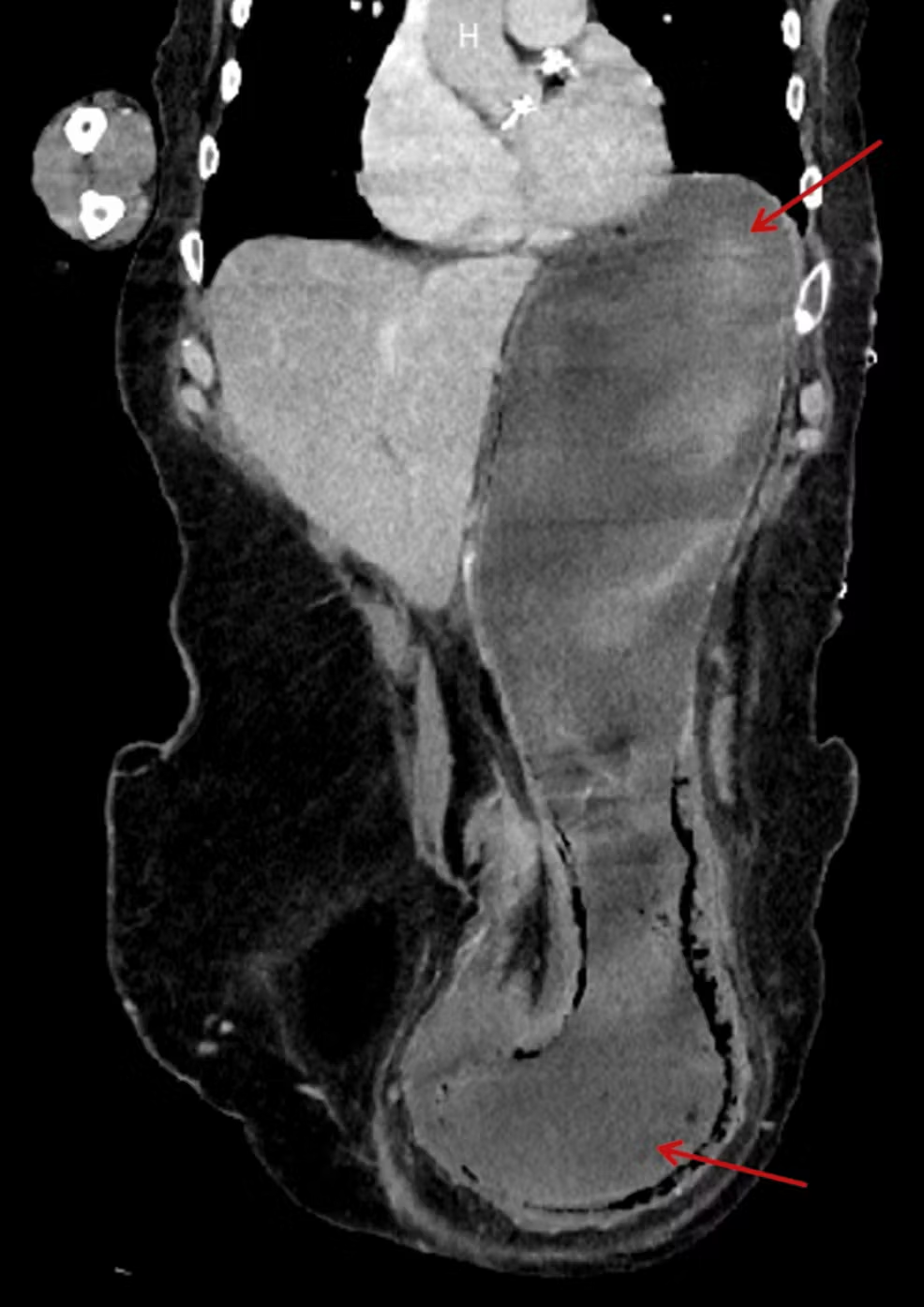
The surgeons Charlotte Kennedy, Ashuvini Mahendran and Md Abu Kamal Nahid performed emergency surgery: they opened the abdomen to check whether the tissue was dying and then fixed the stomach in position using a gastropexy. The man recovered without complications and returned home with outpatient follow-up, as a reminder that even the body’s most protected organs can end up in impossible places.