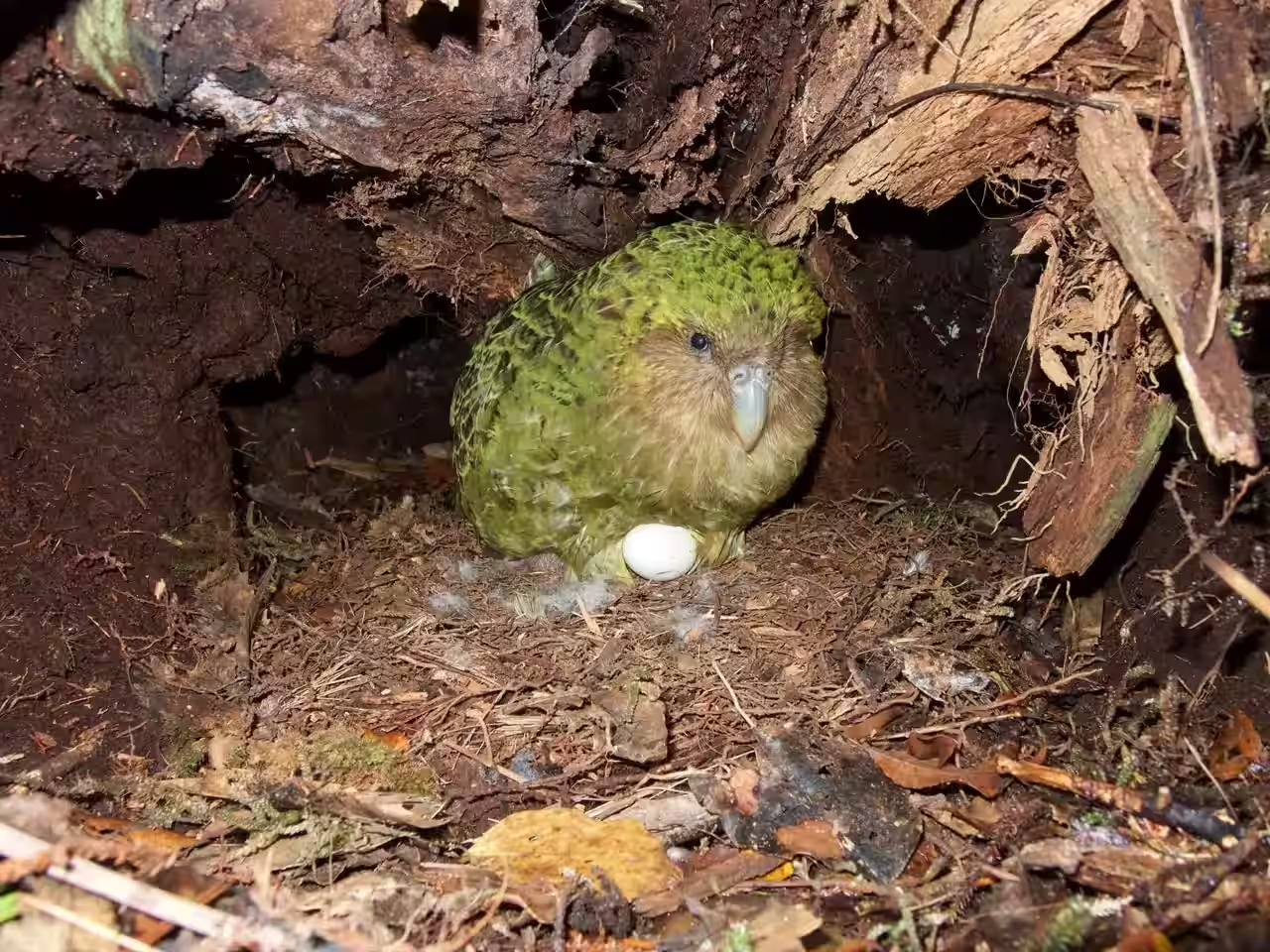
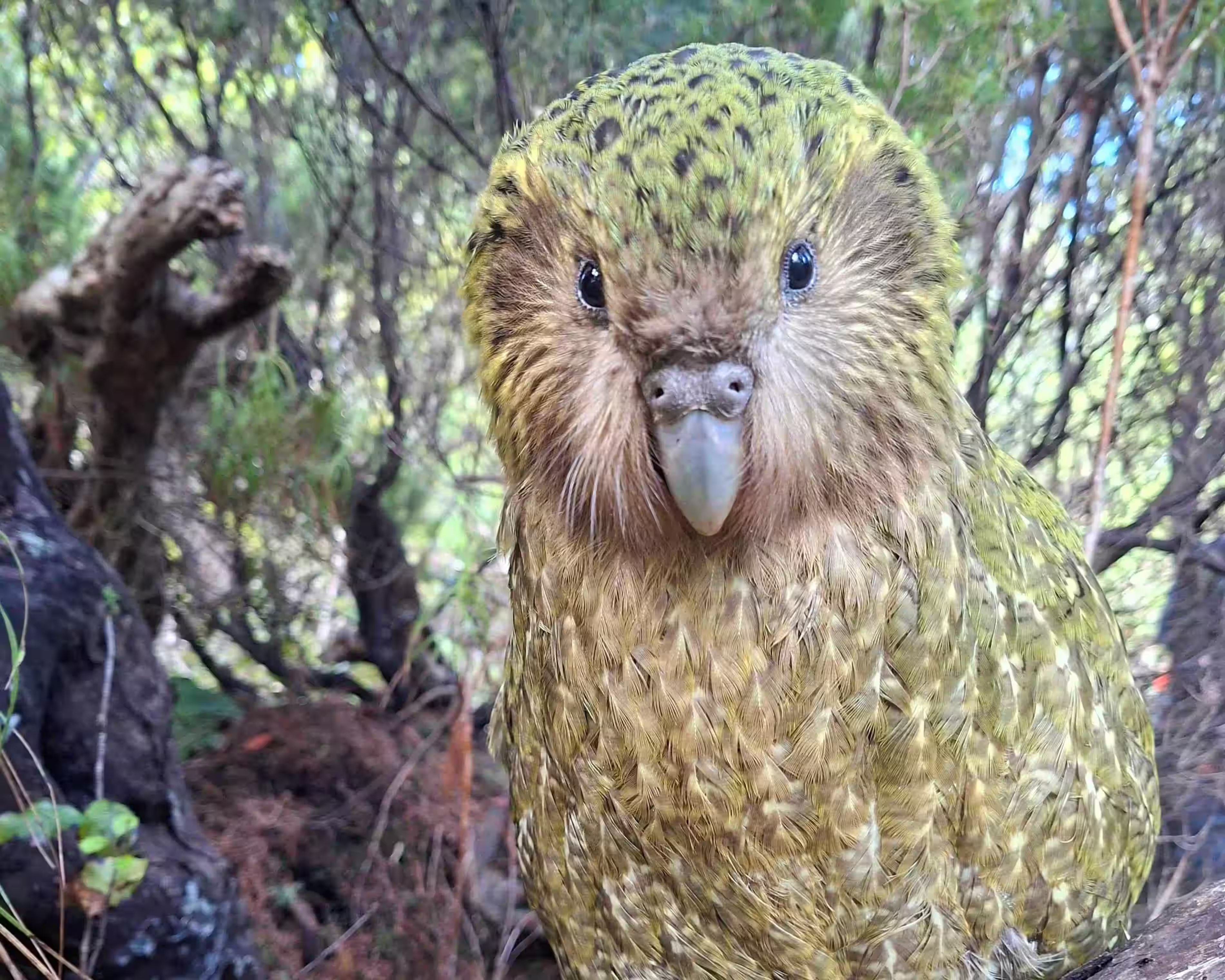
The kākāpō nearly disappeared from the world a century ago. Hunted by predators that were not even native to its land—cats and stoats brought by settlers—this New Zealand parrot had dwindled to just 51 living individuals by 1995, when the program that would attempt to save it began.
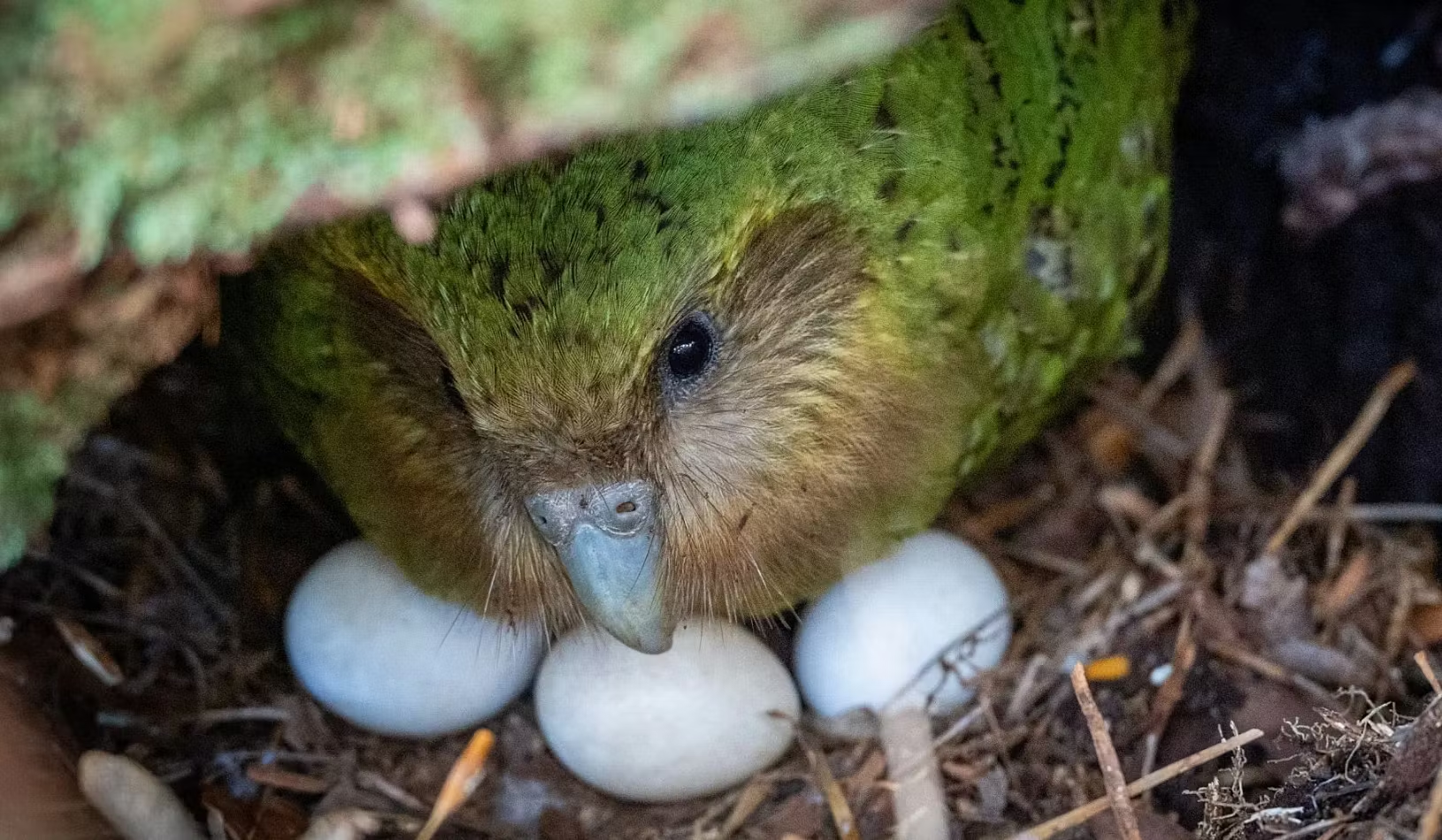
This year, something no one expected happened: the rimu, a native tree from Fiordland, underwent mass fruiting that filled the islands where the species breeds with food. The result was a historic season: 90 chicks were born and survived, raising the total population from 235 to 325 birds. It is the first time in 75 years that the kākāpō has exceeded 300 individuals.
It is the world’s only nocturnal and flightless parrot, the heaviest parrot in existence, and can live for up to 90 years. What previously took 16 years of work was achieved this time in a single season, thanks to nature and a team that never stopped caring for it.