
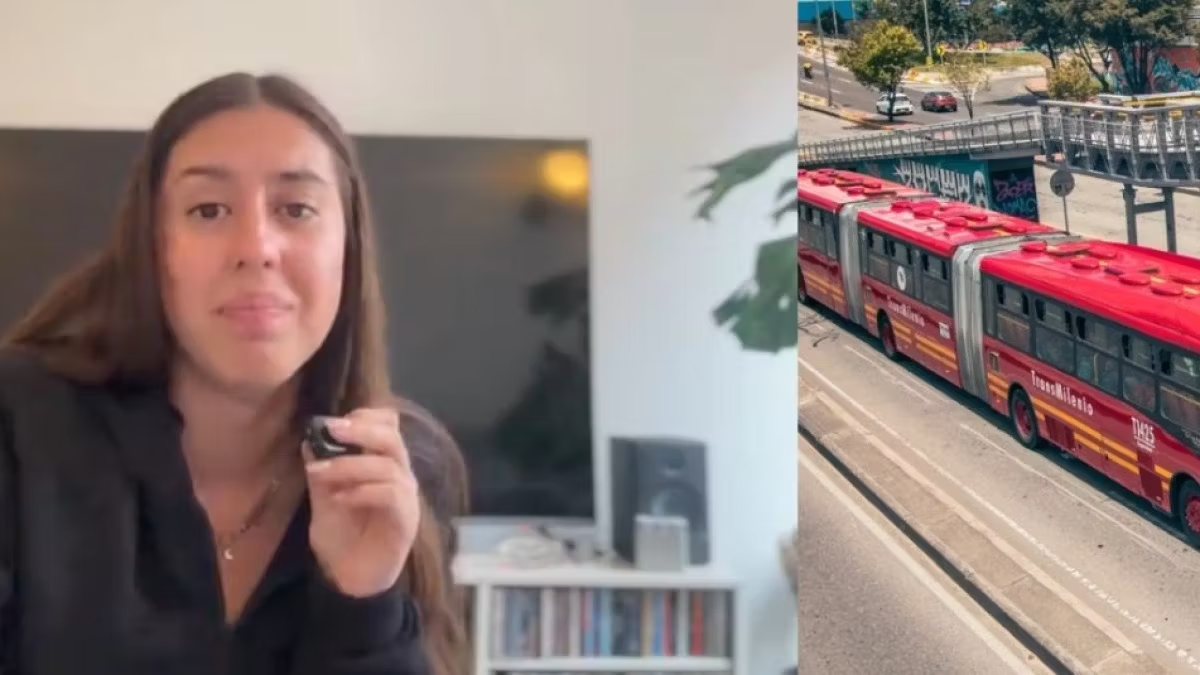
“No one else was going to say anything.” That was what a passenger on a Bogotá feeder bus thought when she decided to break the silence that usually protects harassers on public transportation.
In front of the other passengers, she directly pointed out the man who had assaulted her and did not give him the chance to get off as if nothing had happened.


Her reaction was recorded and is now circulating on social media, where hundreds of women say they experienced something similar and never found the courage —or the support— to act that way.
In Bogotá, this is not an isolated case. In August 2025, 22-year-old Helena Cadena reported that she had been touched by a minor on a route 10-8 feeder bus.

A year later, another young woman identified as Marcela Almanza publicly exposed a similar case she witnessed on TransMilenio, calling out the indifference of the driver and the other passengers.
The pattern repeats itself: crowding, anonymity, and silence.
The question that lingers is simple and uncomfortable: how many times does this have to happen before the transportation system stops being a place where harassment feels almost guaranteed?