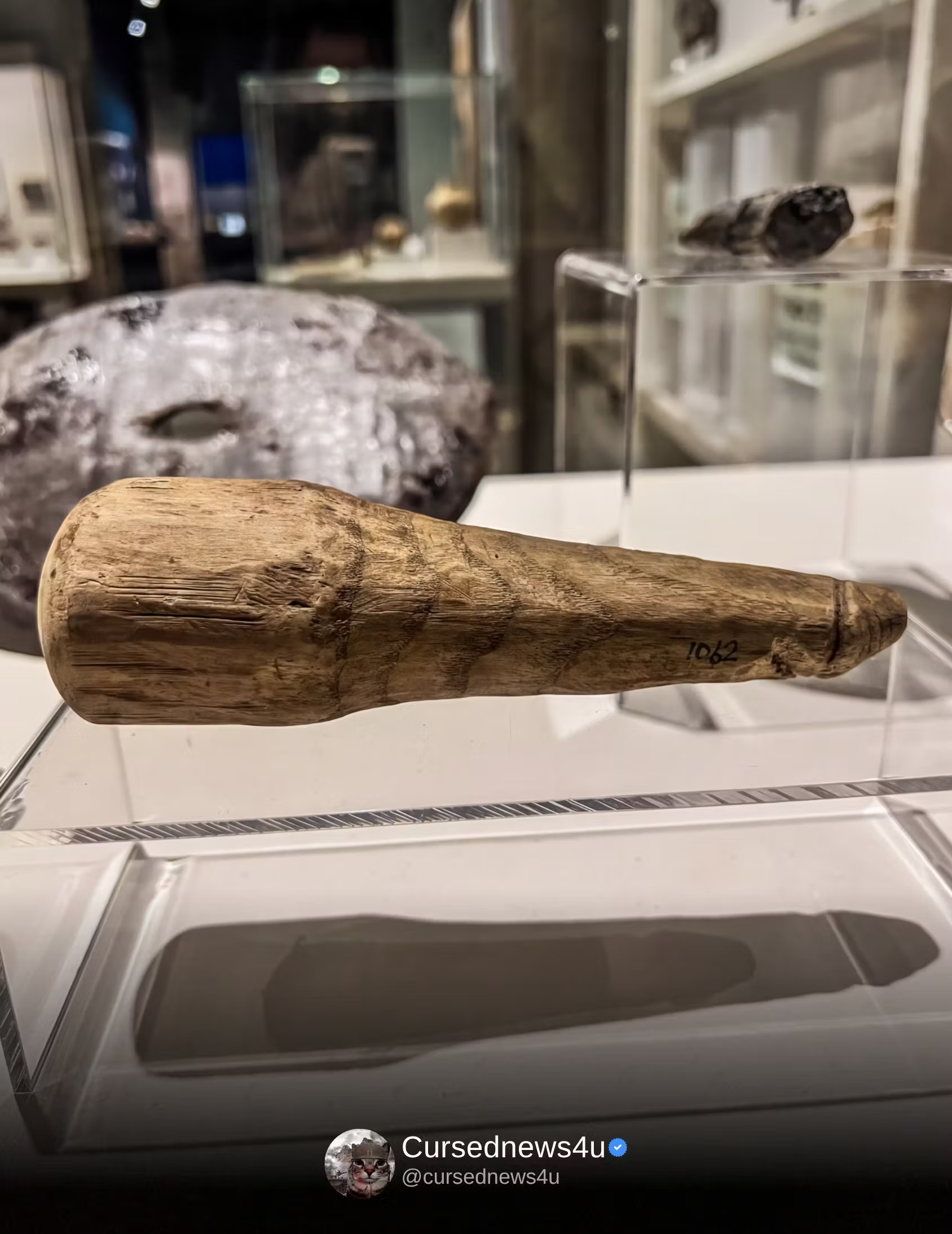
In 1992, a team of archaeologists unearthed a wooden object at the Roman fort of Vindolanda, in northern England. They placed it in the museum catalogue with a simple label: darning tool. There it remained for nearly thirty years, without anyone taking another close look at it.
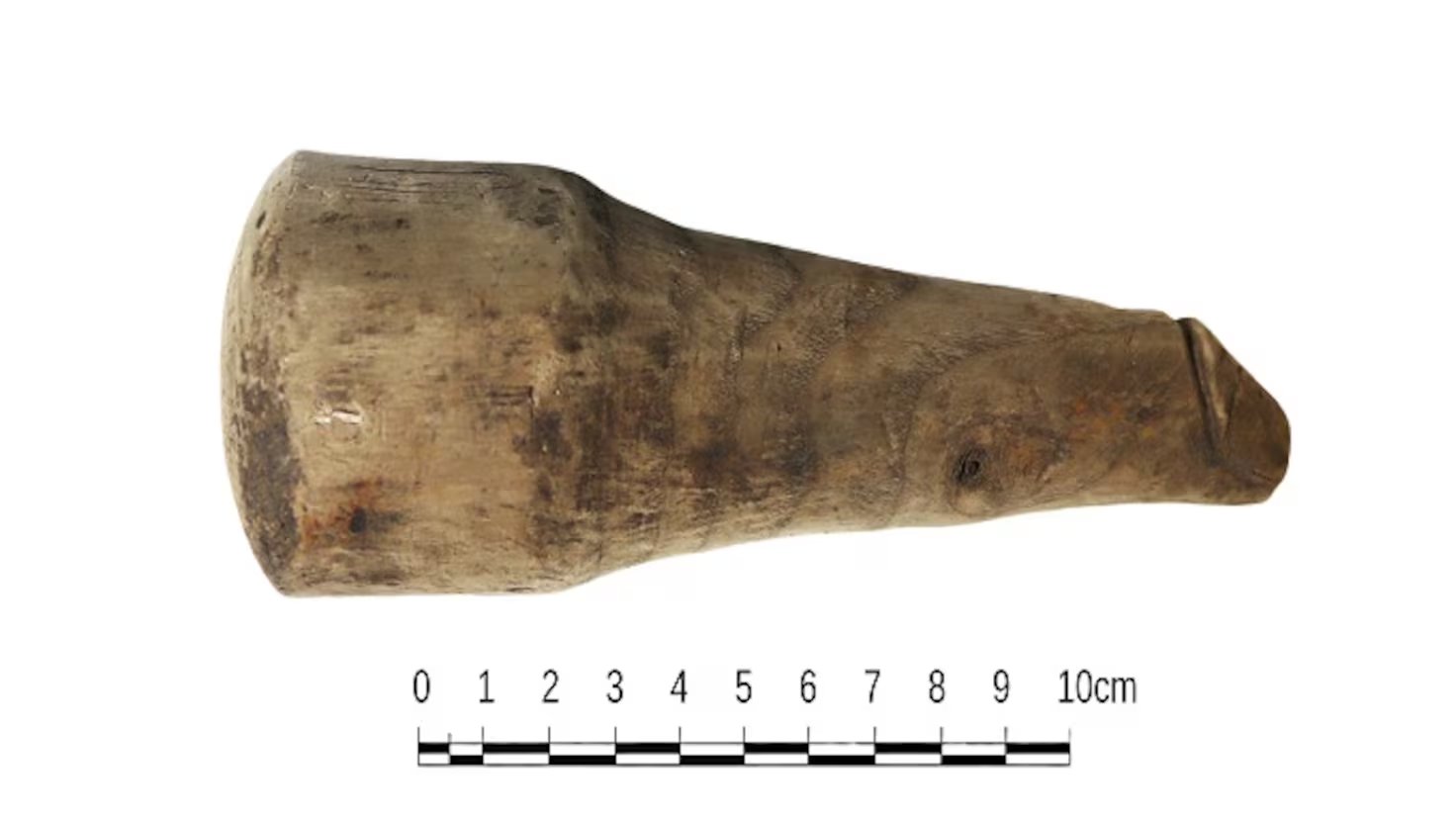
Everything changed when teams from Newcastle University and University College Dublin decided to reexamine it. It measured 16 centimeters, and was probably longer before the ancient wood shrank and warped over time. Its shape left no doubt: it was a phallus. And not just any one, but the only example of a standalone wooden phallus ever recovered from the entire Roman world, because an object like that rarely survives intact for two millennia.
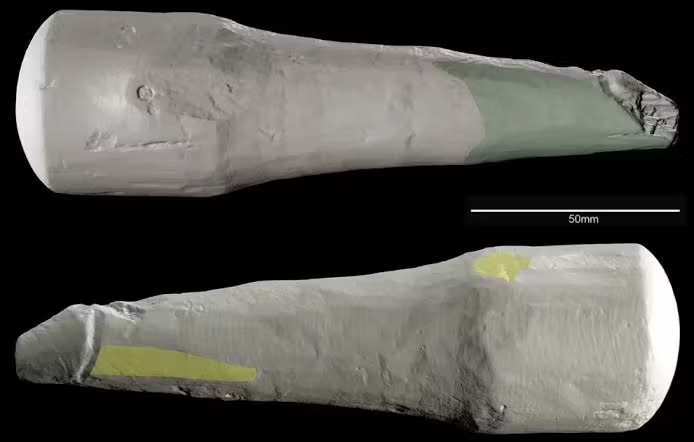
Researchers have not been able to solve the mystery. It could have been a sexual object, a pestle for a food or medicine mold, or part of a statue that people touched for good luck. Its edges are polished, worn from passing from hand to hand so often. The only certainty is that someone, nearly 2,000 years ago, used it so much that they left their mark on the wood forever.