
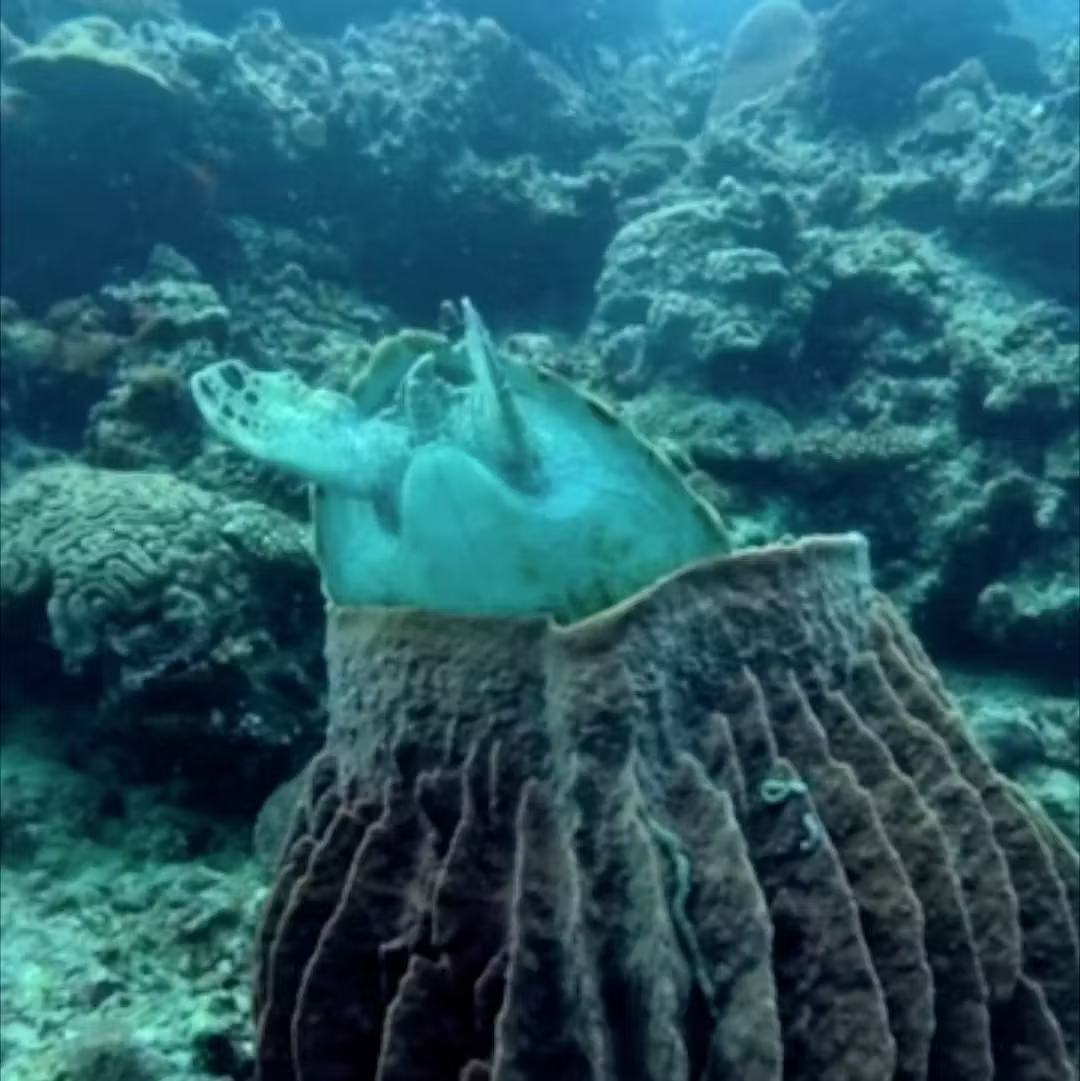
Oliver David Richardson had been underwater for a while when he saw something that didn’t look right.
He was leading a diving excursion in Moalboal, Philippines, at the Quo Vadis Dive Resort site, when a shell peeked out between the walls of a giant barrel sponge. A sea turtle had decided this was the perfect place to take a nap: wedged upside down, with its head tucked into the hollow and its body hanging as if it were the most comfortable bed on the reef.
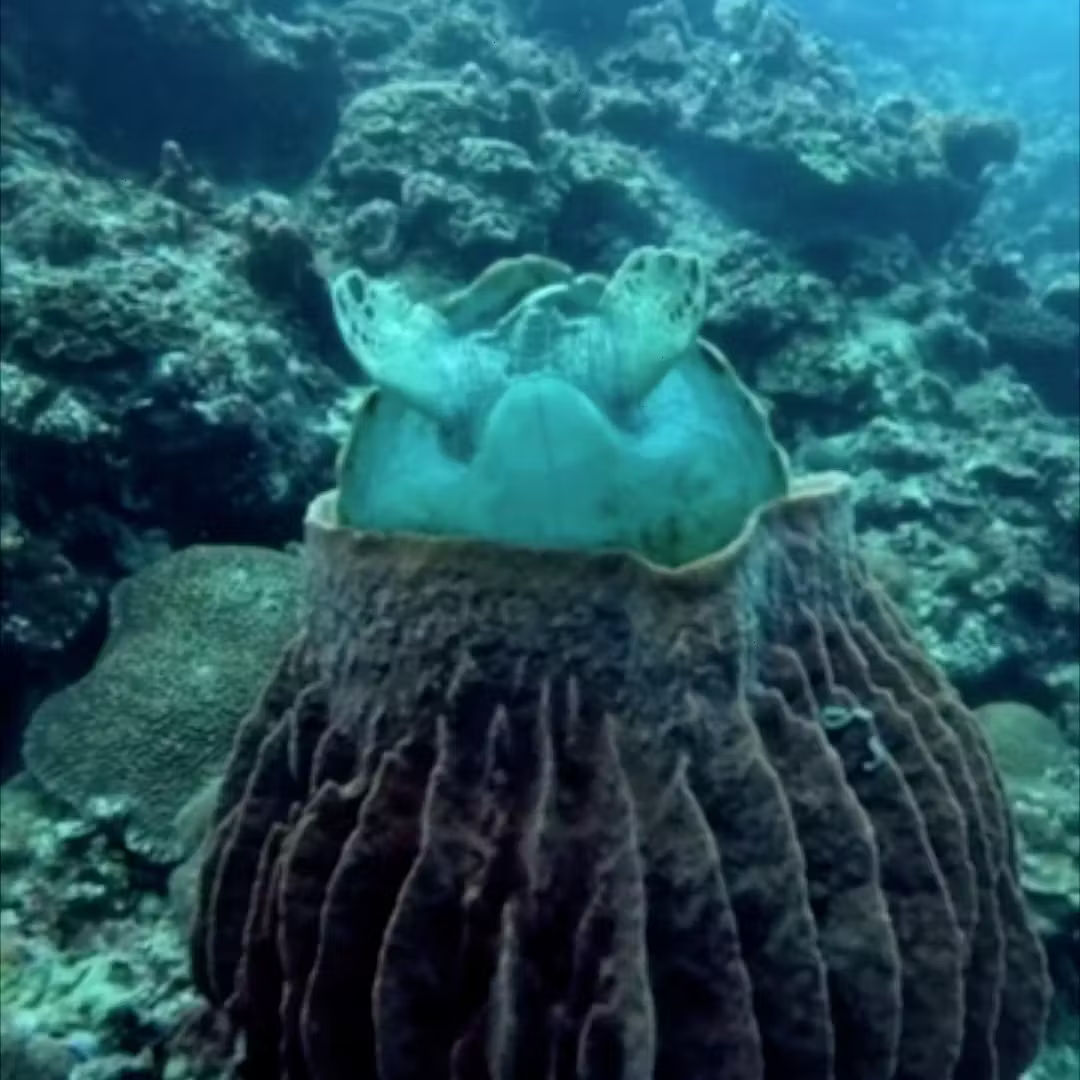
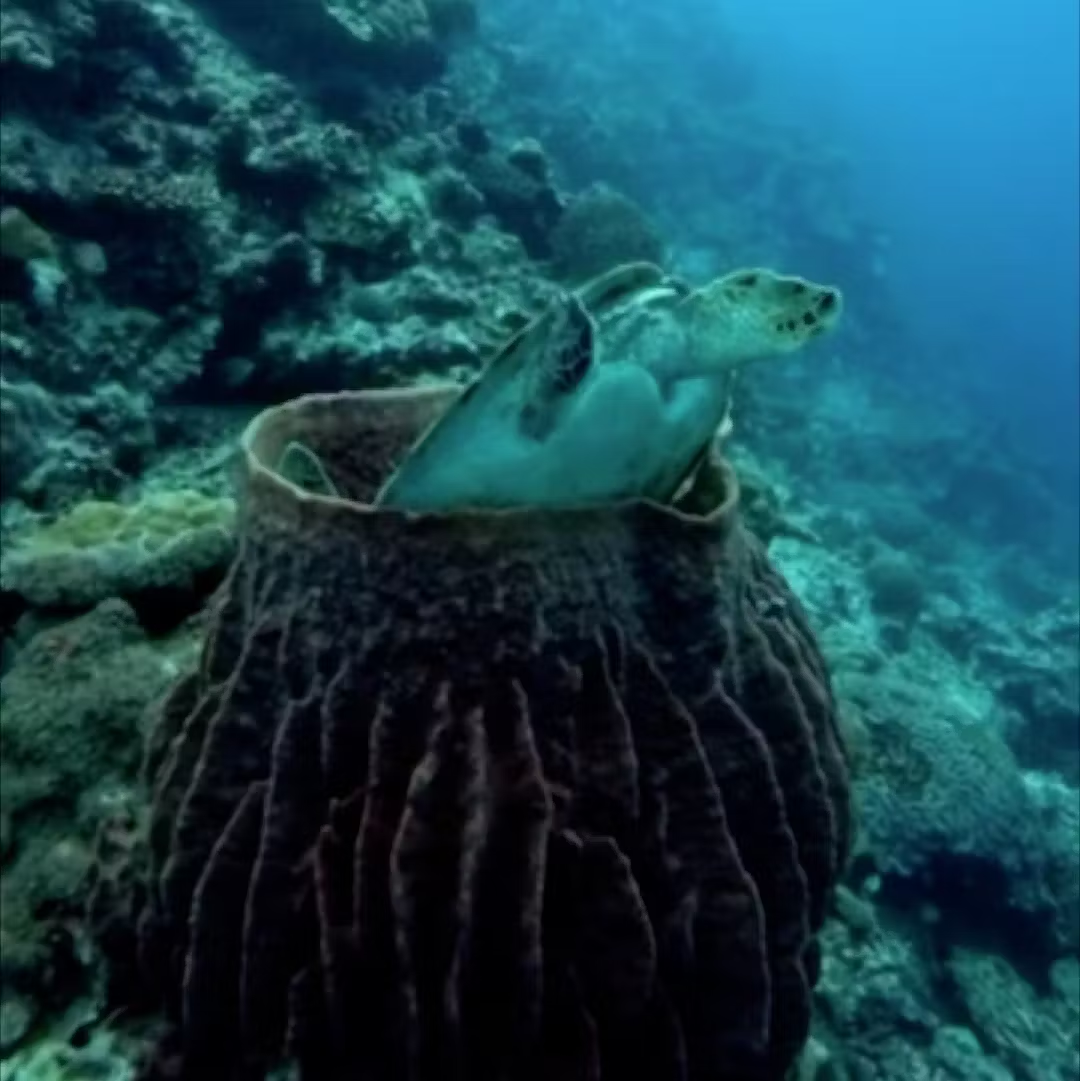
Richardson, a diving instructor, pulled out his camera and recorded everything. While the turtle slept, completely unaware of anything, a school of little silver fish swam around the sponge, as if seeing a neighbor snoring upside down were the most normal thing in the world.
Sea turtles can stay motionless underwater for hours and surface to breathe only once in a while, so finding a good hiding place to sleep is part of their routine. What’s less common is choosing a giant sponge—and sleeping in this position.