
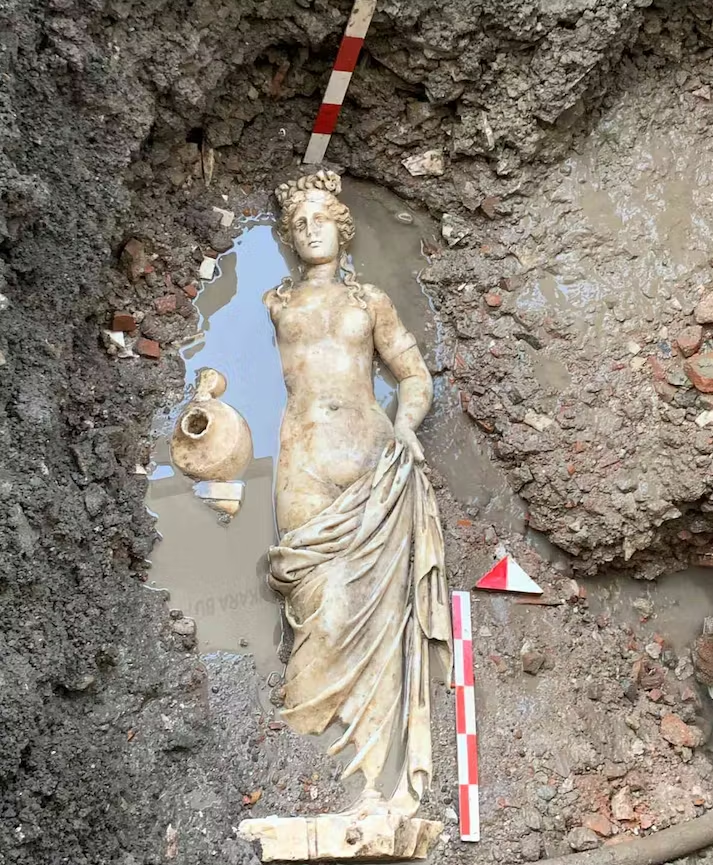
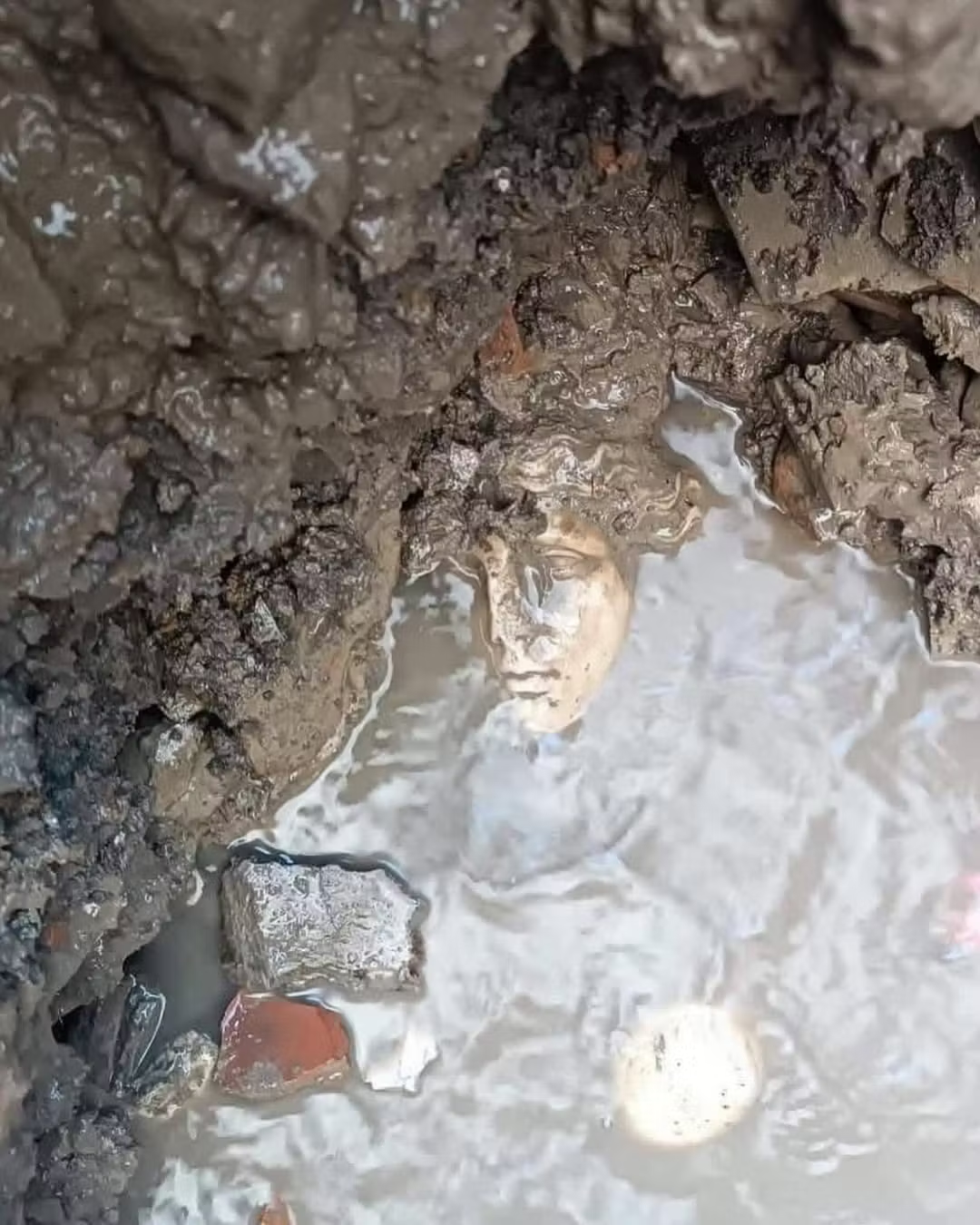
At 3,7 meters underground, in what was once a Roman gymnasium in ancient Amastris, some hands began scraping marble where no one expected to find anything.
The city, now known as Amasra, on Turkey’s Black Sea coast, had been sheltering a 1,53-meter-tall figure for around 1.800 years, with its hair tied in a hairstyle known as the knot of Heracles—or Aphrodite’s knot. At first, archaeologists from Bartın University thought it was a water nymph, because the area where it appeared seemed to have once contained a pool. But something did not quite add up.
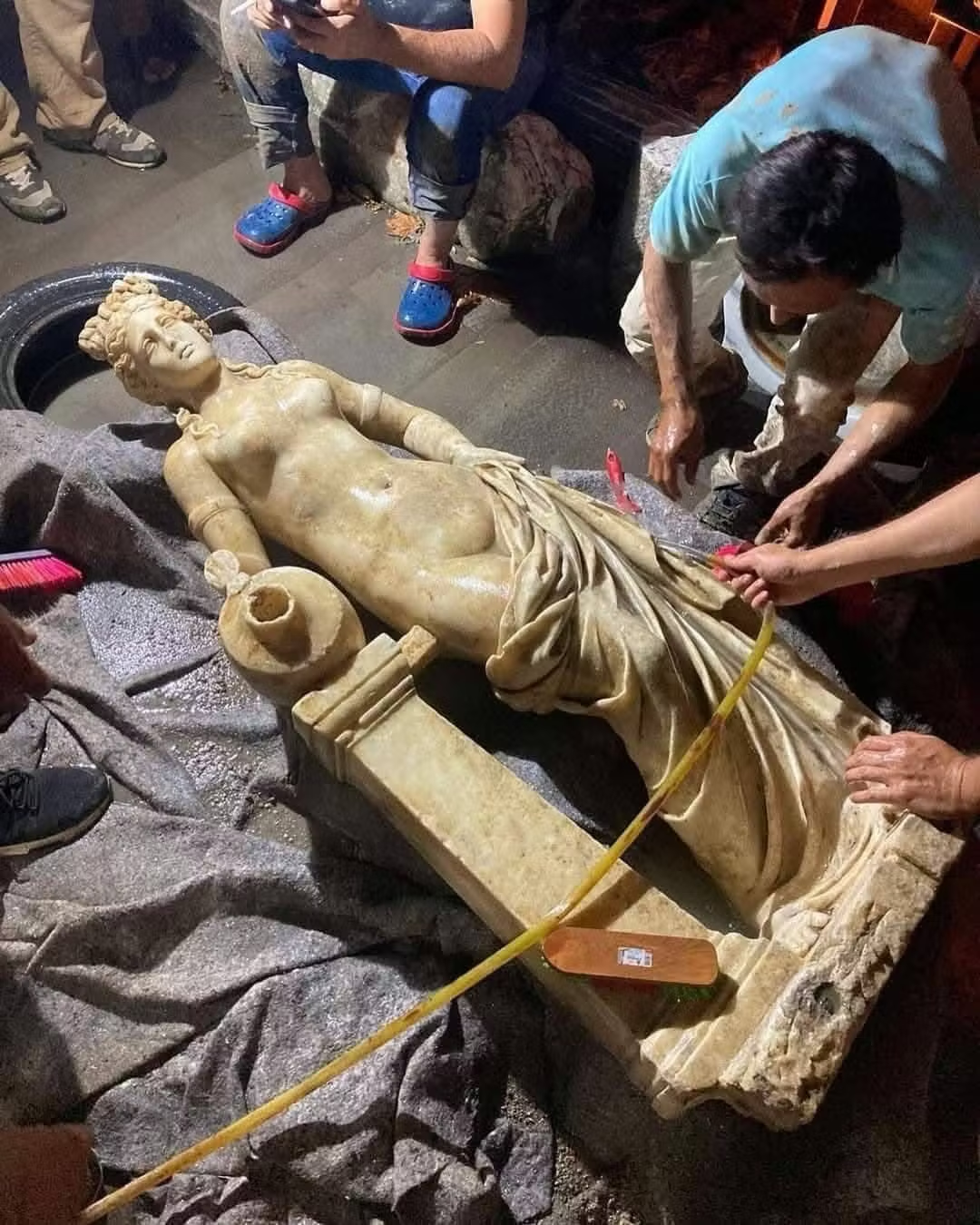
They compared the piece with 20 other known depictions of Aphrodite, and the answer changed: the pose followed the sculptural tradition associated with the school of Praxiteles, one of the great masters of Greek art. It is missing its right hand and the tip of its nose, nothing more. Today, the statue has been restored and can be seen at the Amasra Museum, a few kilometers from where it had been buried since the year 180 AD.