
In 1972, workers building a bank branch in York, England, found something no one expected underground.
It was a fossilized human excrement nearly 1.200 years old, from the 9th century, 20 centimeters long and around 5 centimeters wide—an unusually large size for human feces that happened to be preserved.
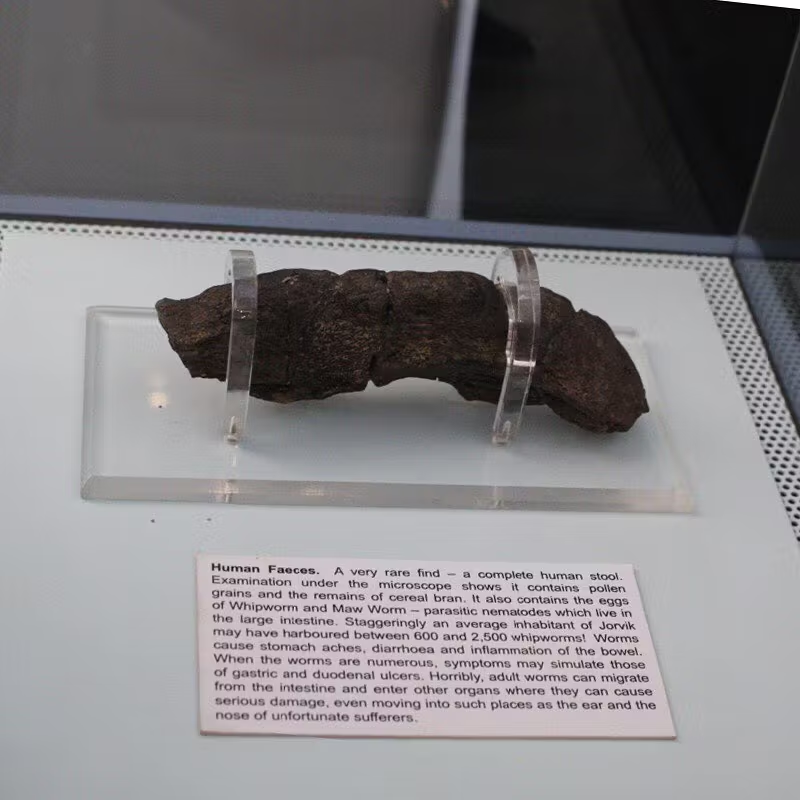

Today it is known as the “Lloyds Bank coprolite” and is one of the most beloved pieces at the Jorvik Viking Centre. In 1991, scatologist Andrew Jones valued it at 39.000 dollars and delivered a line that went down in history: he said it was as irreplaceable as the Crown Jewels.
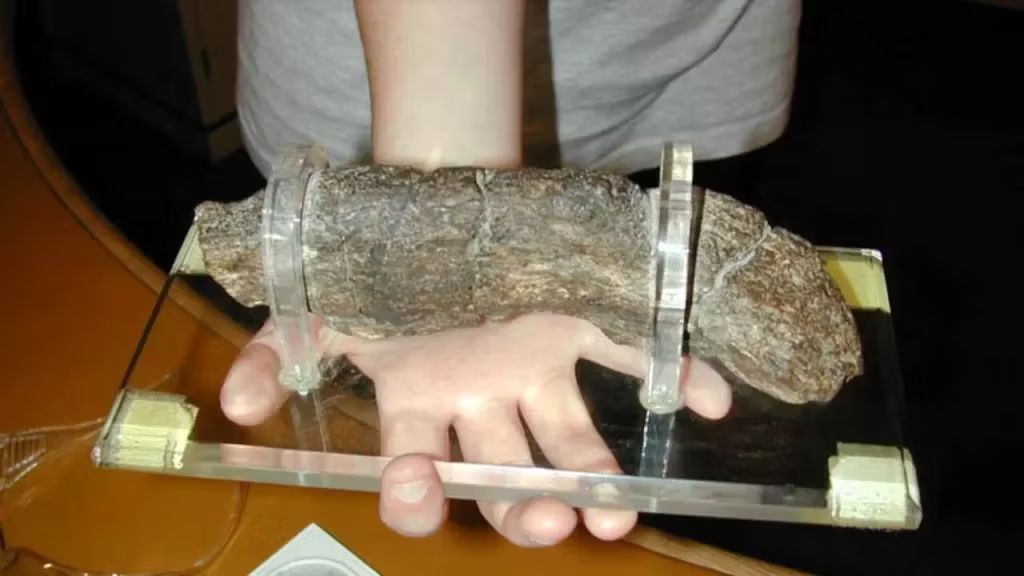
When scientists analyzed it, they discovered that its owner ate meat and bread, and also carried intestinal parasites, something quite common at that time. In 2003, visitors accidentally broke it into three pieces, but it was repaired and is still there, intact, telling the story of a Viking who never imagined that his poop would become so famous.