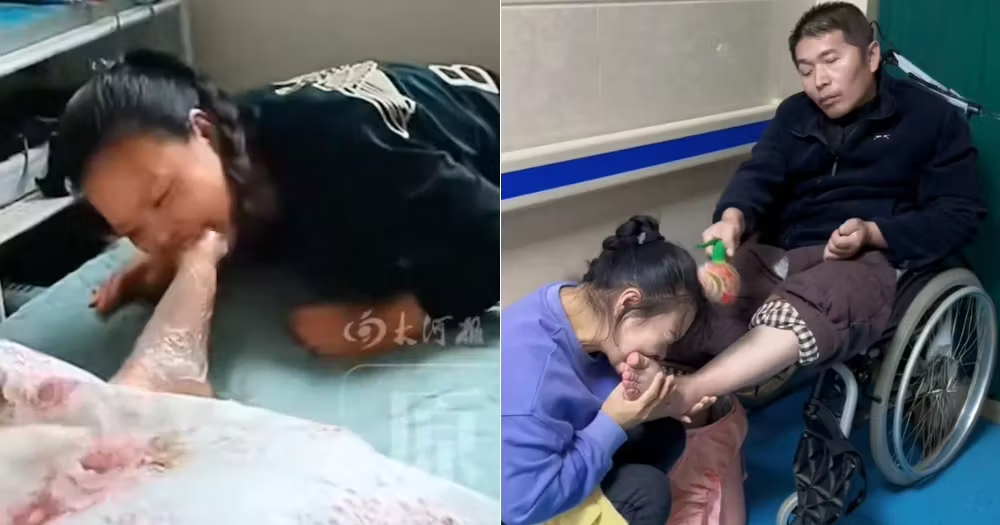
Song Mei, 45, was an art teacher at a kindergarten in Henan, China. Her husband, Zhao Jinqian, worked waterproofing roofs, and in October 2019 he climbed onto one to rescue a trapped three-year-old boy. He fell about six meters, using his own body to protect the child.
Zhao survived, but with severe brain damage, multiple fractures, and compromised lungs. He was left in a vegetative state. Doctors told Song that stimulating his fingers and toes could help with nerve recovery. One day, by accident, she bit one of his toes and noticed a slight response. From then on, she covered Zhao’s foot with a plastic food bag and repeated the gesture every day, for years, without knowing whether anything would change.
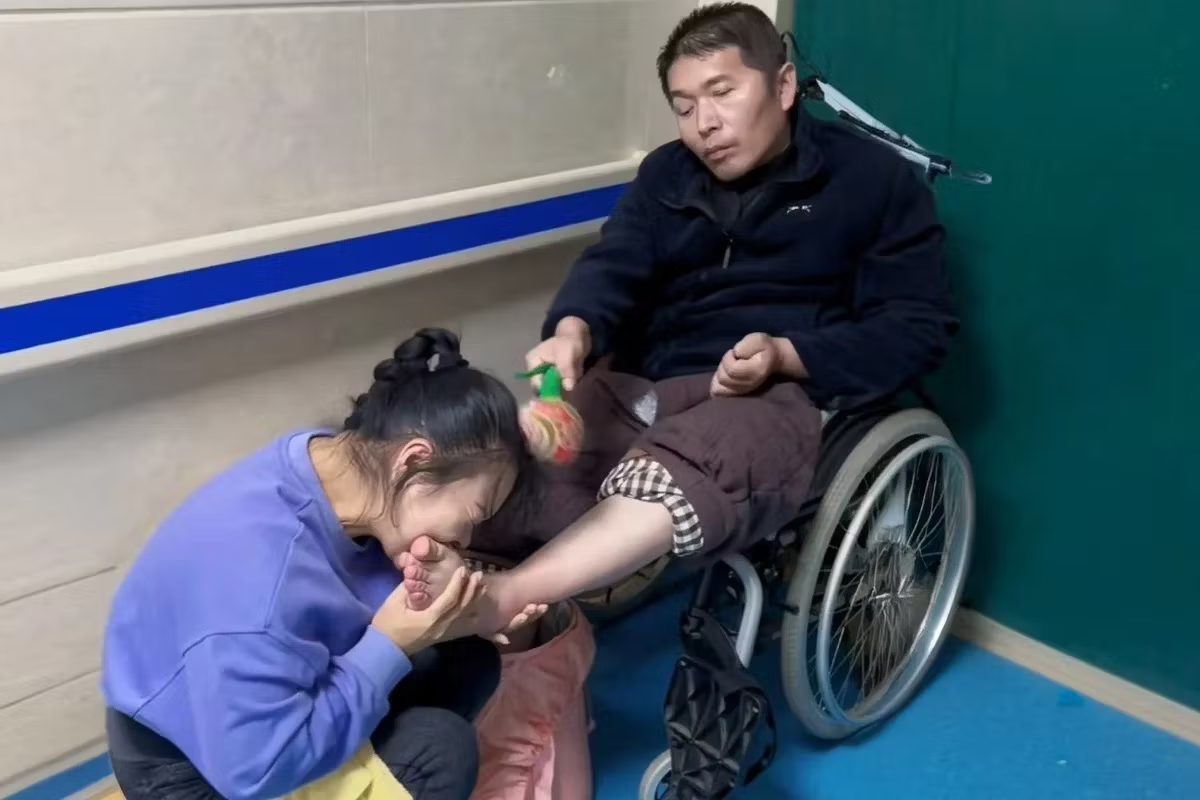
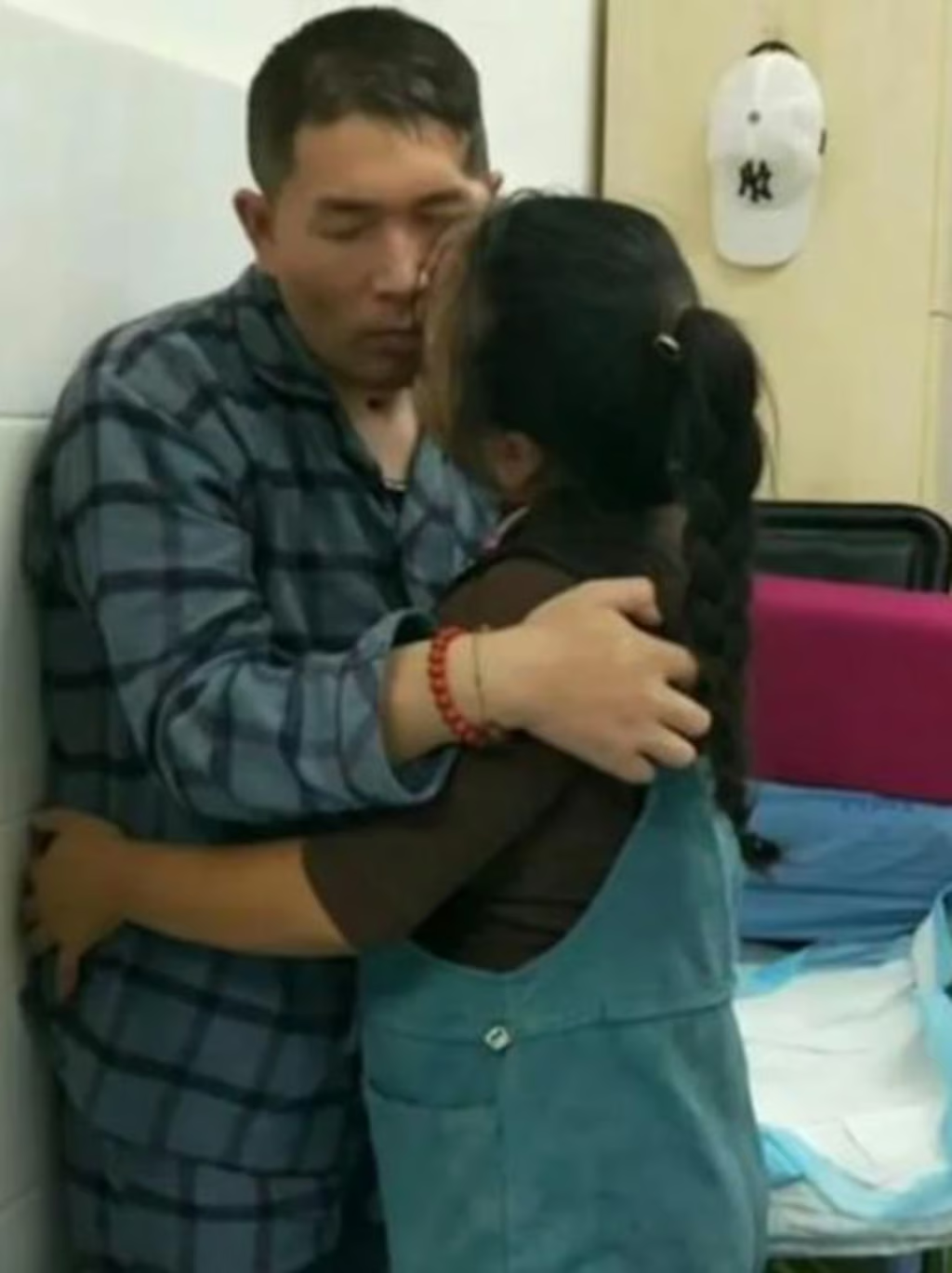
In 2024, Zhao began opening his eyes. Today, he understands what people tell him, raises his hand, and can stand with assistance. On June 30, from his hospital bed, he turned toward Song and whispered: “I love you”. In therapy, his wife’s name is the only word he is able to write. Specialists warn that there is no medical evidence that biting toes can cure a vegetative state. But for Song, seven years of persisting every day ended in two words that made the wait worthwhile.