
For decades, Megan Helton’s grandparents shared a life marked by affection and companionship. When she suffered a serious brain complication, it was her husband who stayed by her side throughout the recovery process. Years later, he would be the one who needed her care.
Nearly eight years ago, the woman suffered an arteriovenous malformation (AVM), an abnormal cluster of blood vessels in the brain that eventually ruptured and required brain surgery. After the operation, she had to relearn basic skills such as walking, speaking, and eating.
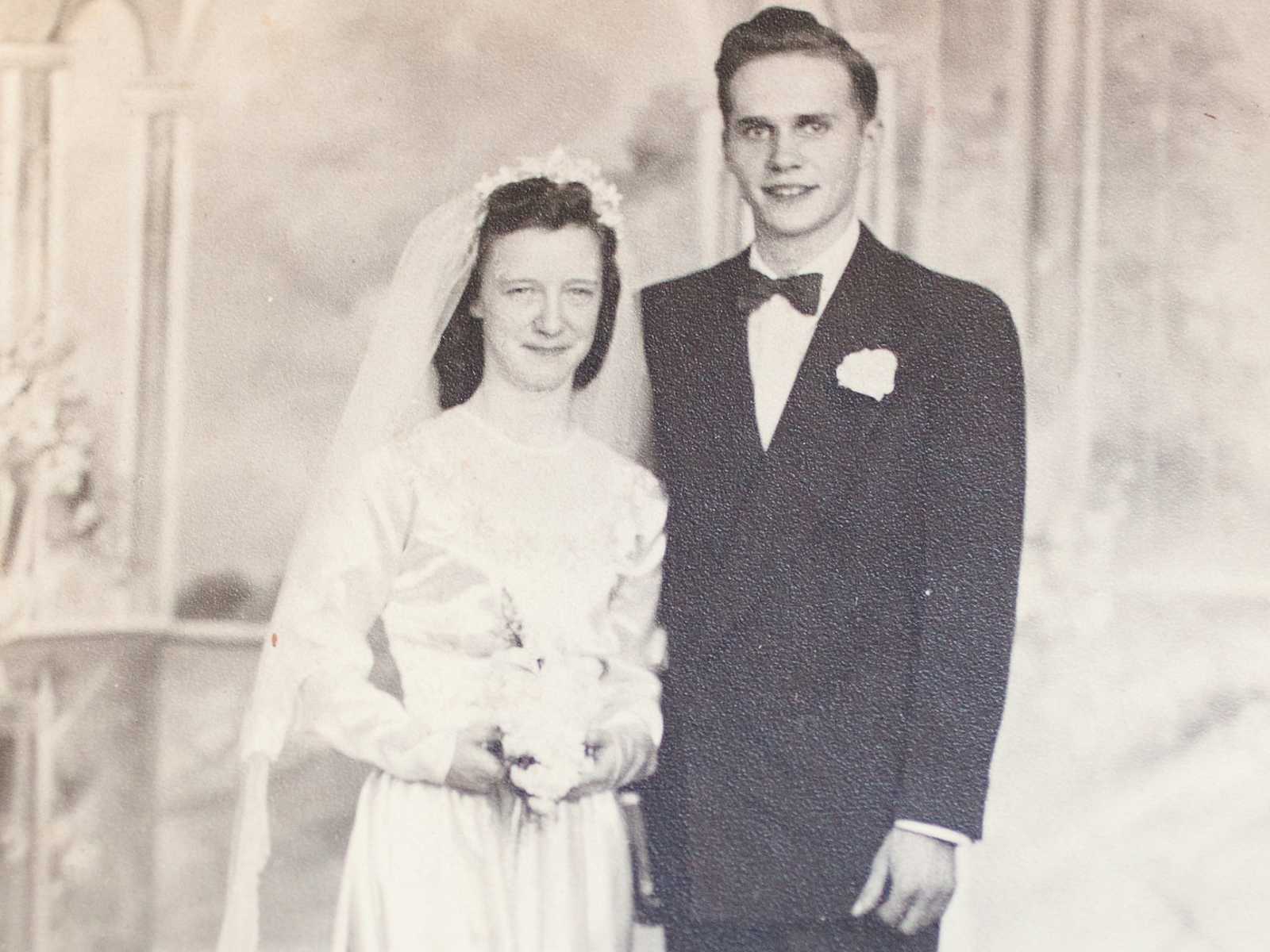
Her husband never left her side. He accompanied her throughout her recovery and took care of her while she learned to manage on her own again.
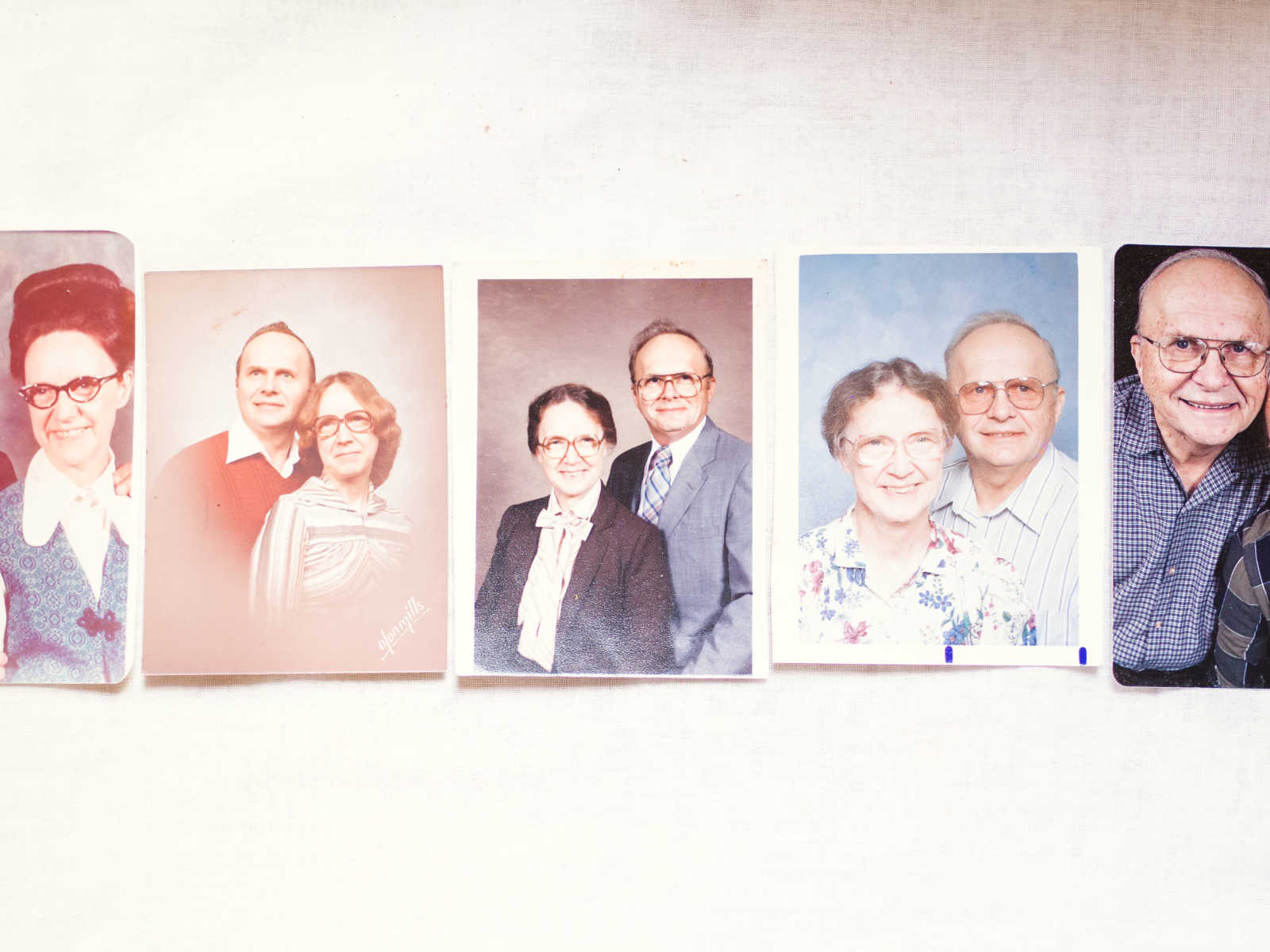
But two or three years after that surgery, changes began to appear in him. His family started to notice signs of Alzheimer’s, and as the disease progressed, his memories began to disappear.
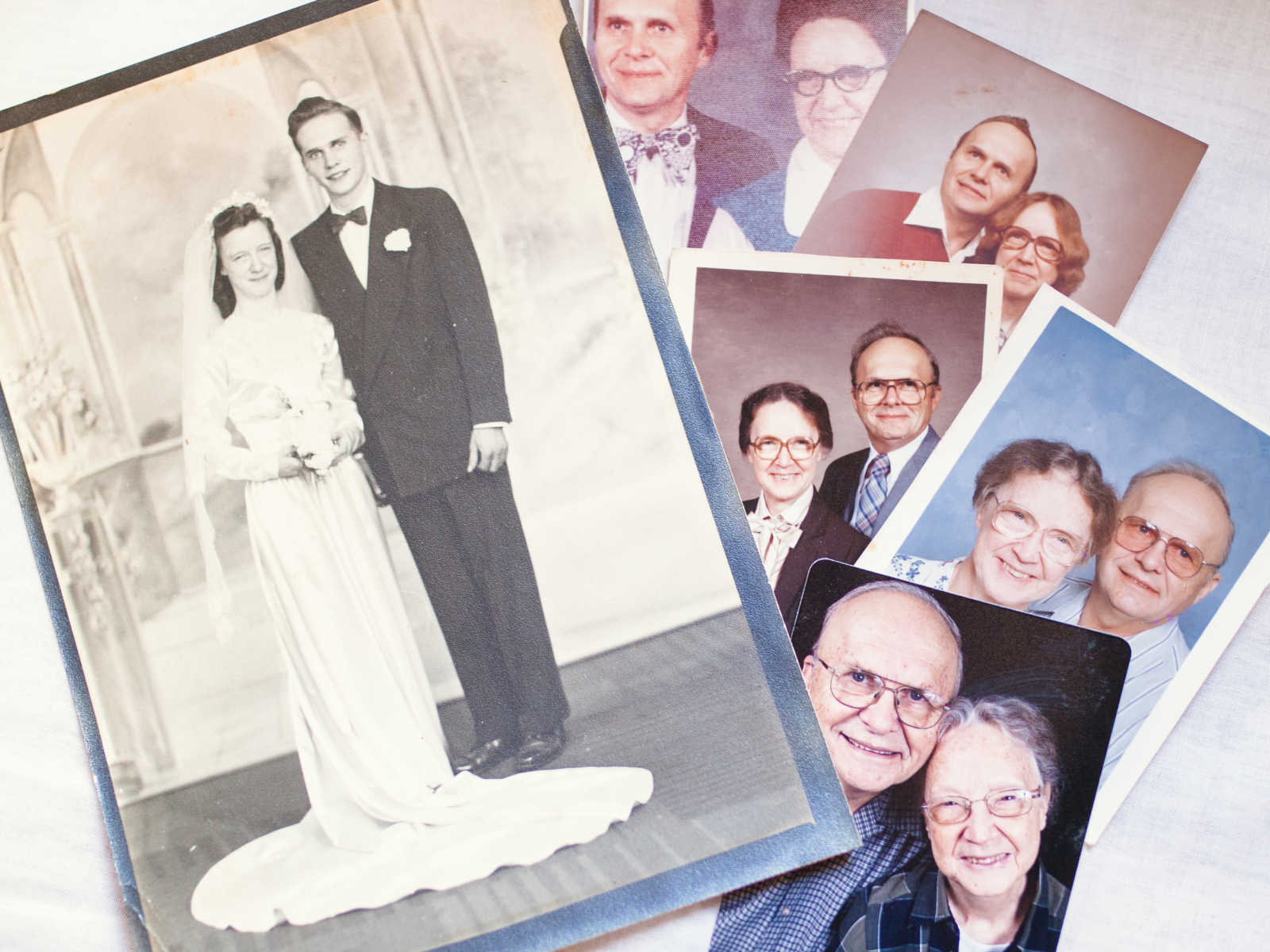
Megan said that her grandfather’s condition could change quickly. There were moments when he recognized his wife and others when he did not know who the woman was who had been by his side for more than seven decades.
For his wife, however, that did not mean abandoning her husband.
According to Megan, she would never allow him to be sent to a nursing home. The woman believes that surviving her own brain disease and recovering was a second chance that allowed her to remain beside her “best friend” during the final years of his life.
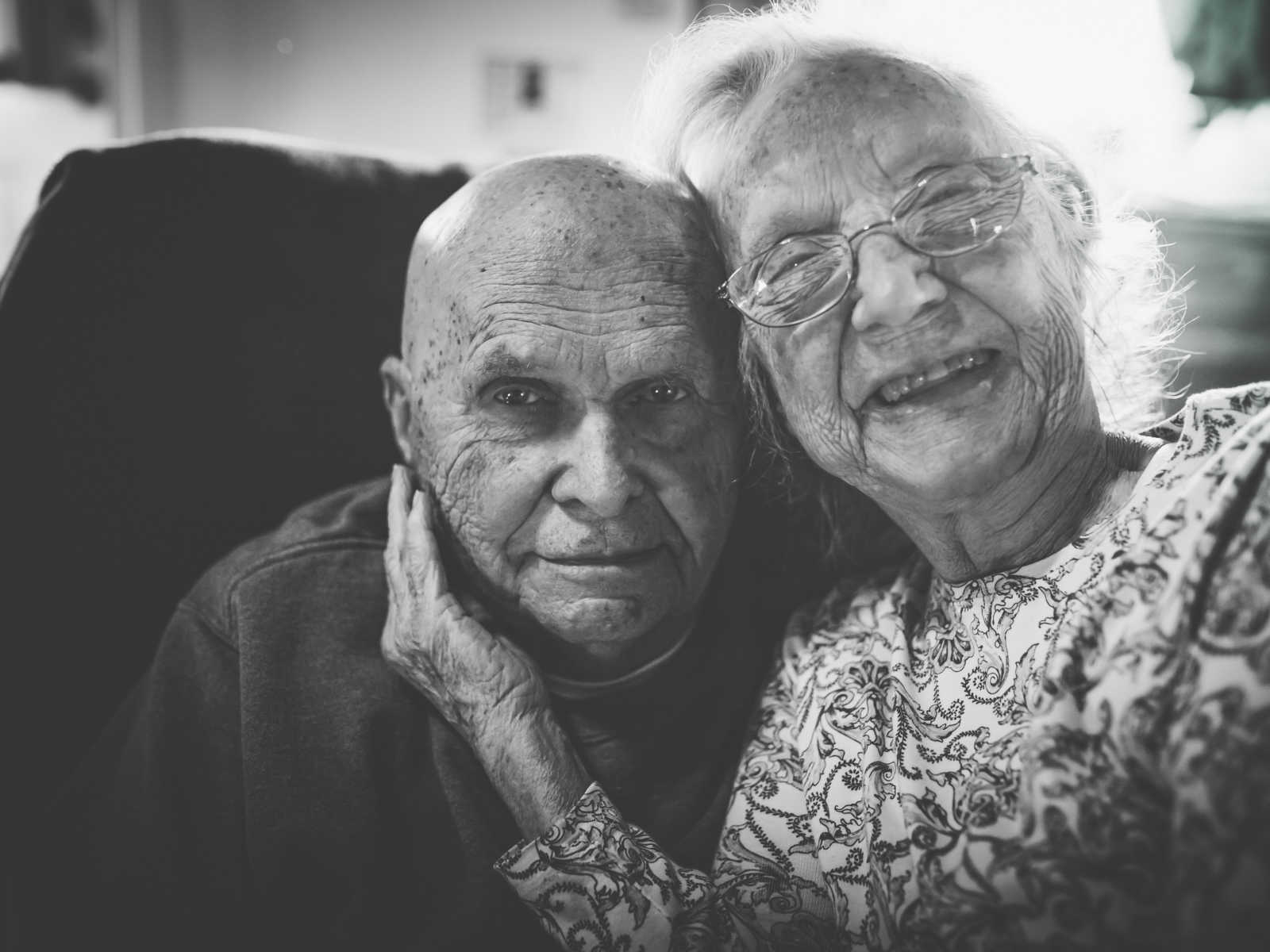
And there is one image Megan has remembered since she was a child: her grandparents holding hands.
Even when Alzheimer’s began to change the way he saw the world, she continued reaching for his hand.
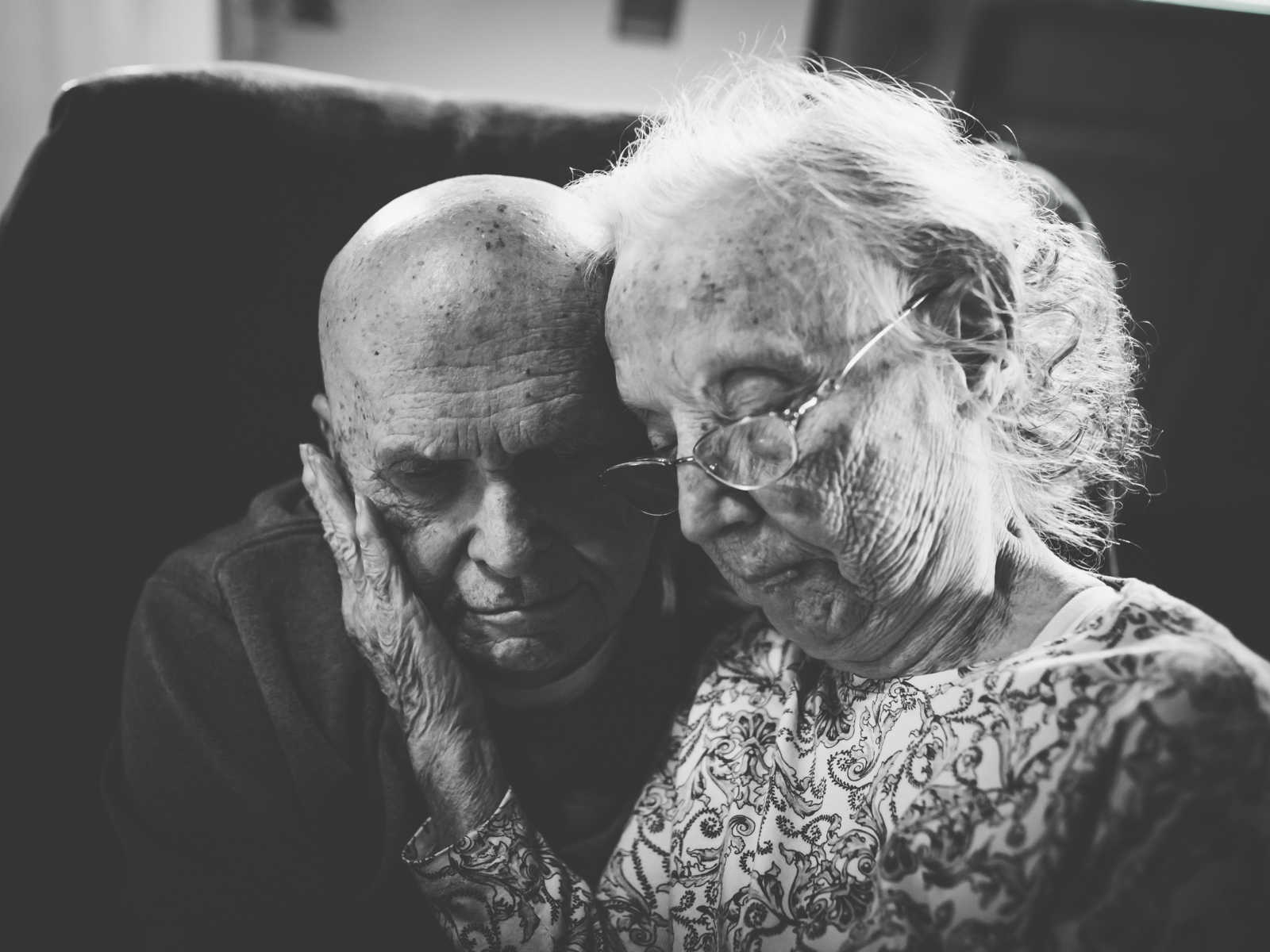
When her grandmother was asked what the secret was to staying together after so many years, her answer was simple: “Stick it out!”, an expression that could be translated as “hang in there until the end”.
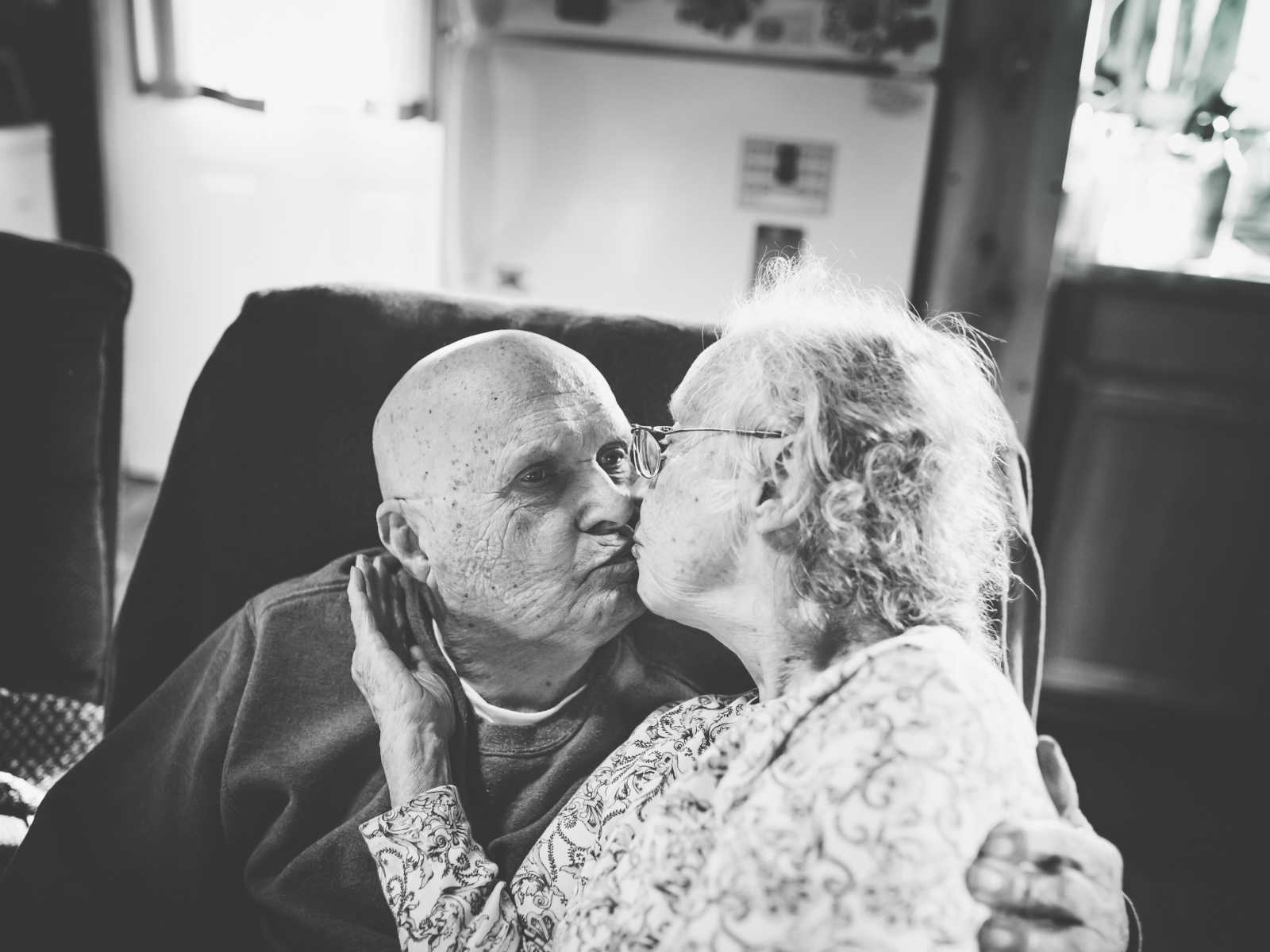
To Megan, her grandparents represent a kind of love that does not depend on the other person remembering every moment they shared. A love that remains even when memories begin to disappear.