
D.Z was 27 years old, already the mother of five children, and had agreed to carry another couple’s baby.
In April 2025, in Queensland, Australia, an embryo from BNJ and DRJ, a couple who could not conceive due to a medical condition, was implanted in her via IVF.
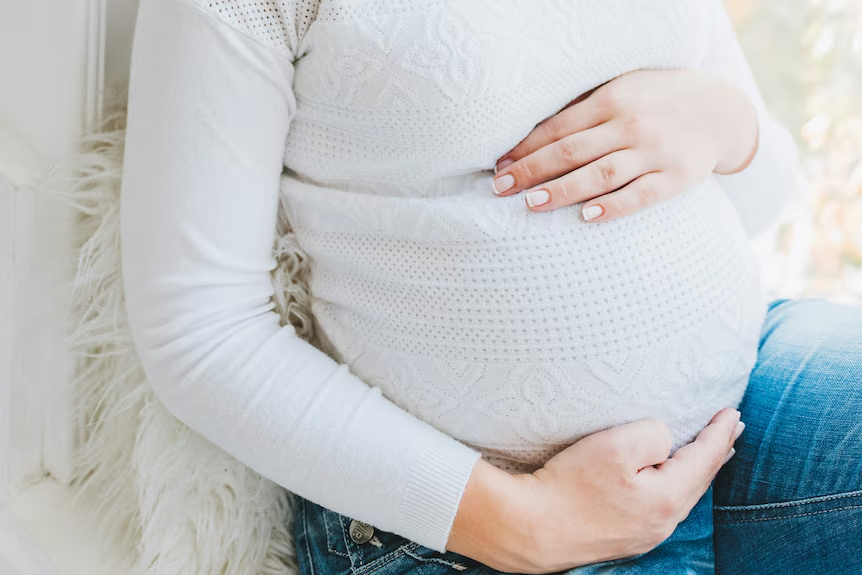
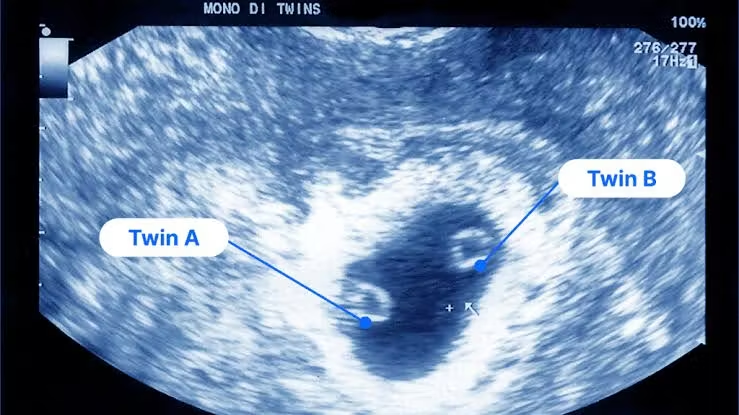
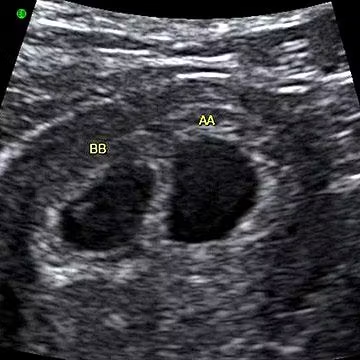
Two weeks later, an ultrasound showed something no one expected: DZ was carrying twins, even though only one embryo had been transferred.
The odds of what had happened were almost impossible to calculate: almost at the same time, DZ had conceived naturally with her husband FZ.
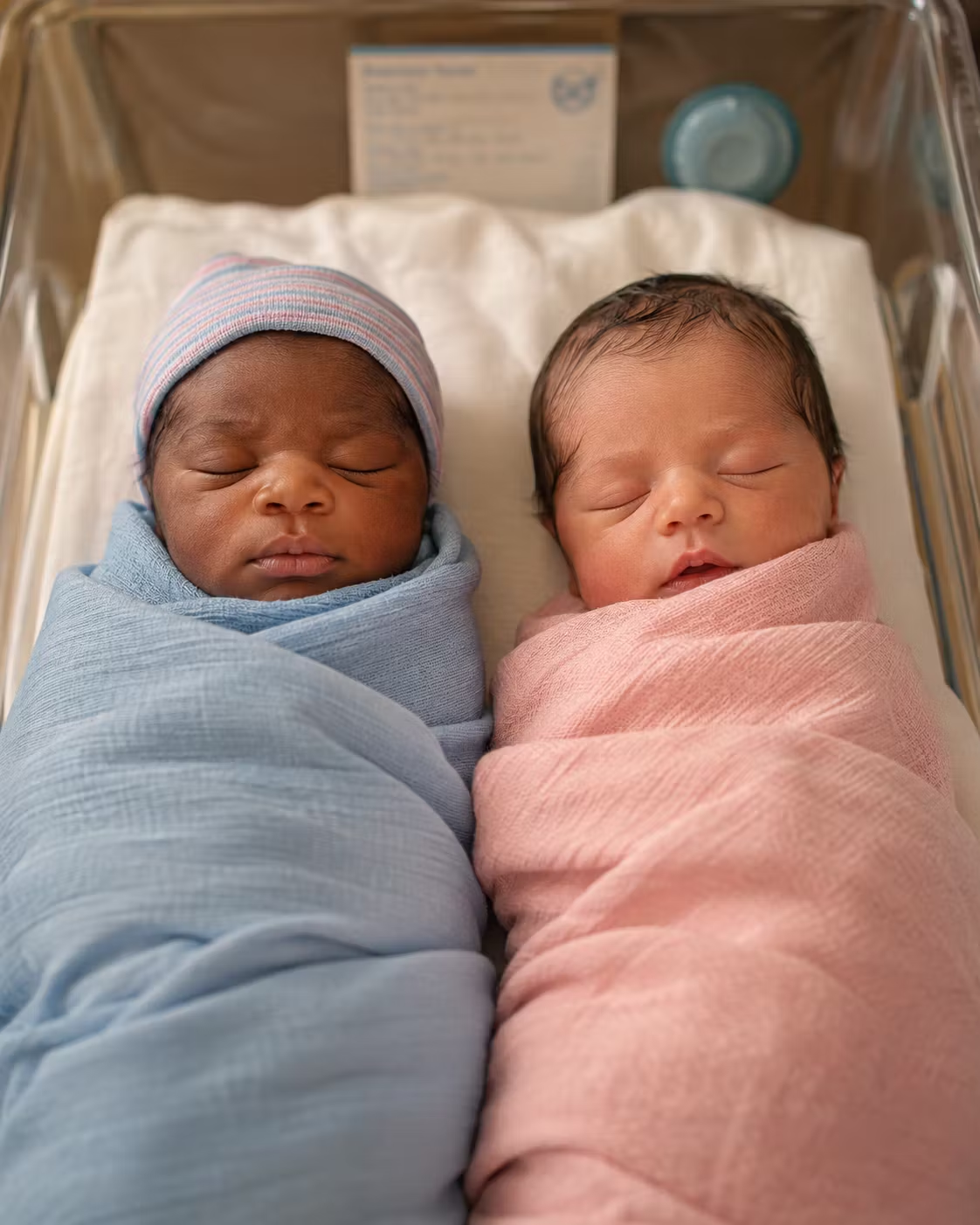
DNA tests confirmed it months later: the girl was the genetic daughter of BNJ and DRJ, and the boy was the biological son of DZ and FZ.
They were born on the same day, during the same cesarean section, in November 2025.
Queensland law prohibits separating siblings born in the same multiple birth, so the case reached the Children’s Court, where Judge Jodie Wooldridge had to resolve something the law had never imagined: are they siblings if they do not share the same genetic origin?
Her ruling determined that they were not, and allowed each family to raise its child separately.