
Ash Soto was 12 when she saw a spot on her neck and thought it was from the sun. A few days later, another one appeared. She went to the doctor with her mom, and the diagnosis came immediately: vitiligo.

They offered her a steroid-based cream that seemed like a miracle and promised to stop the spots from spreading.

She said that within six months, the spots had appeared on her elbows, around her eyes, on her feet, and on her neck. At home, her parents were going through a divorce, and at school, her longtime classmates started treating her differently, with the bullying growing increasingly intense.
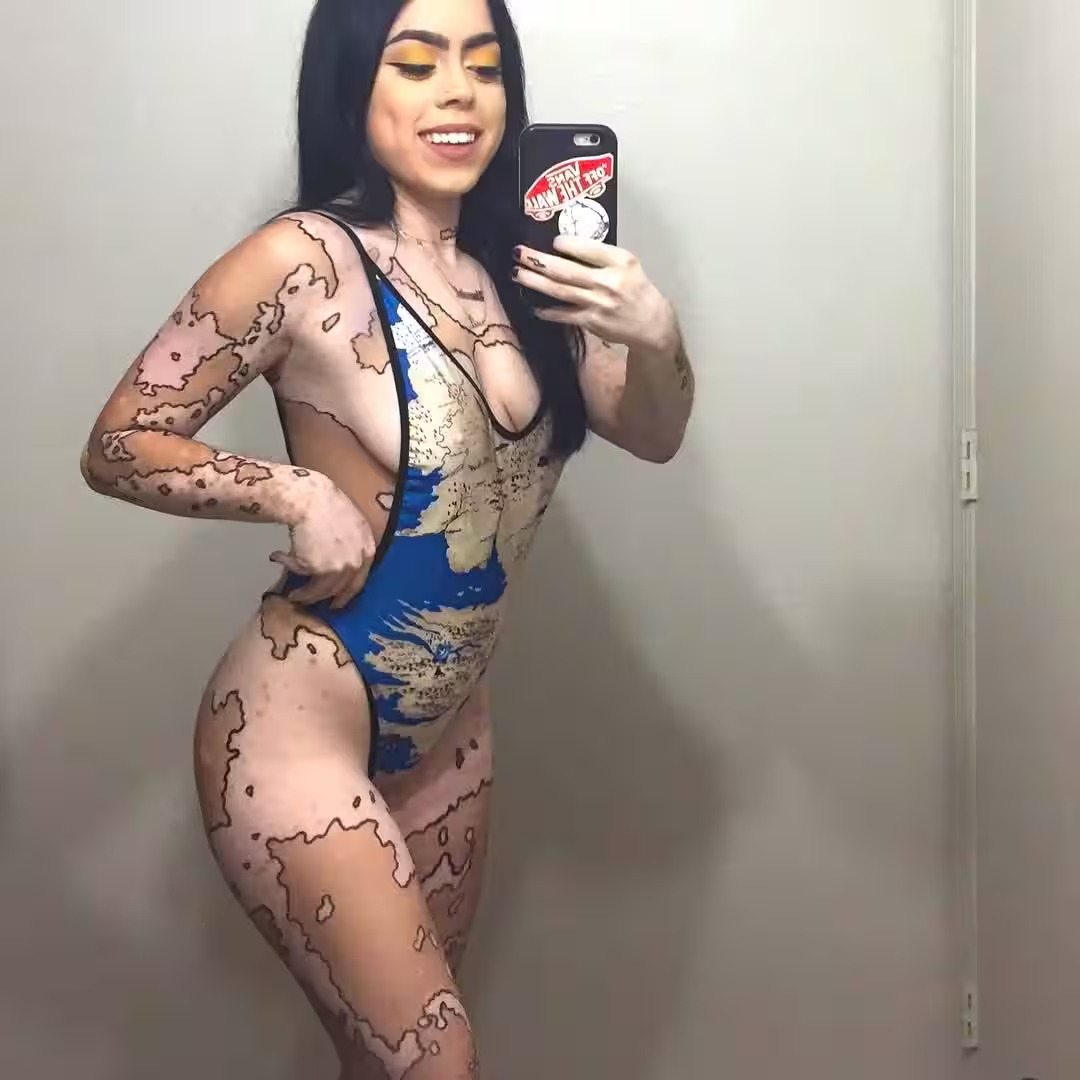
To make matters worse, as a Latina in the United States, she felt that losing pigmentation meant losing the biracial identity she recognized herself in: both the white community and the community of color distanced themselves from her. She traded cheerleading routines for her mom’s jacket so she could hide, and she didn’t want to meet new people.

Today, from her home in Orlando, this 25-year-old outlines with a black marker the spots she covered for years with long sleeves, and shares the process on social media.