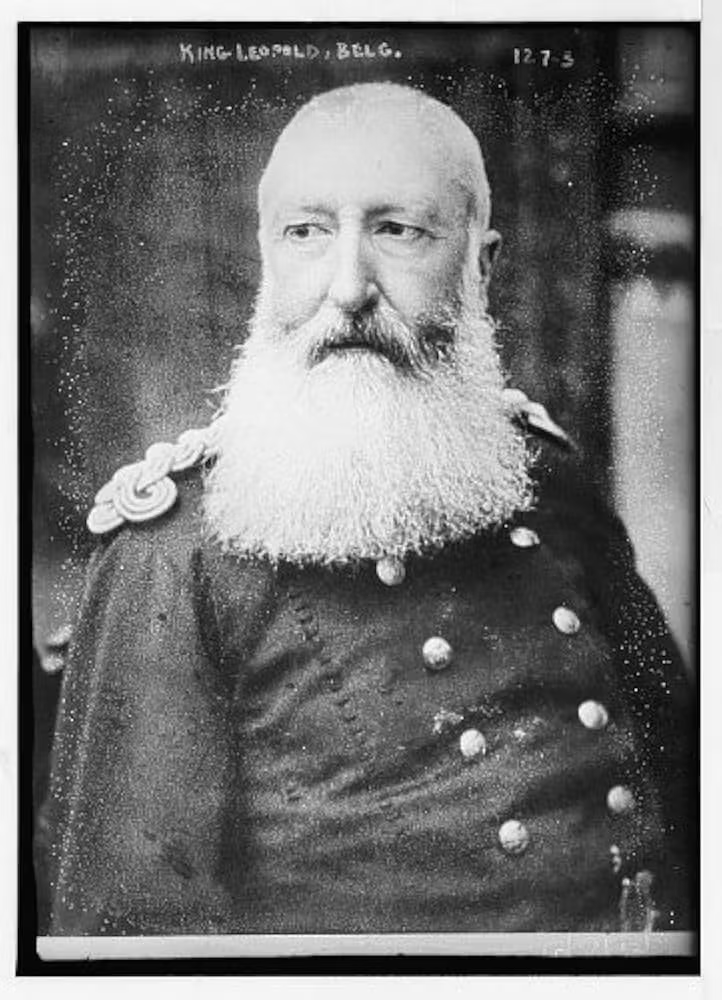
1885. A European king signs a document and, overnight, becomes the personal owner of a territory 76 times larger than Belgium. Leopold II never set foot in the Congo, but from his palace he designed one of the bloodiest systems of exploitation Africa has ever known.
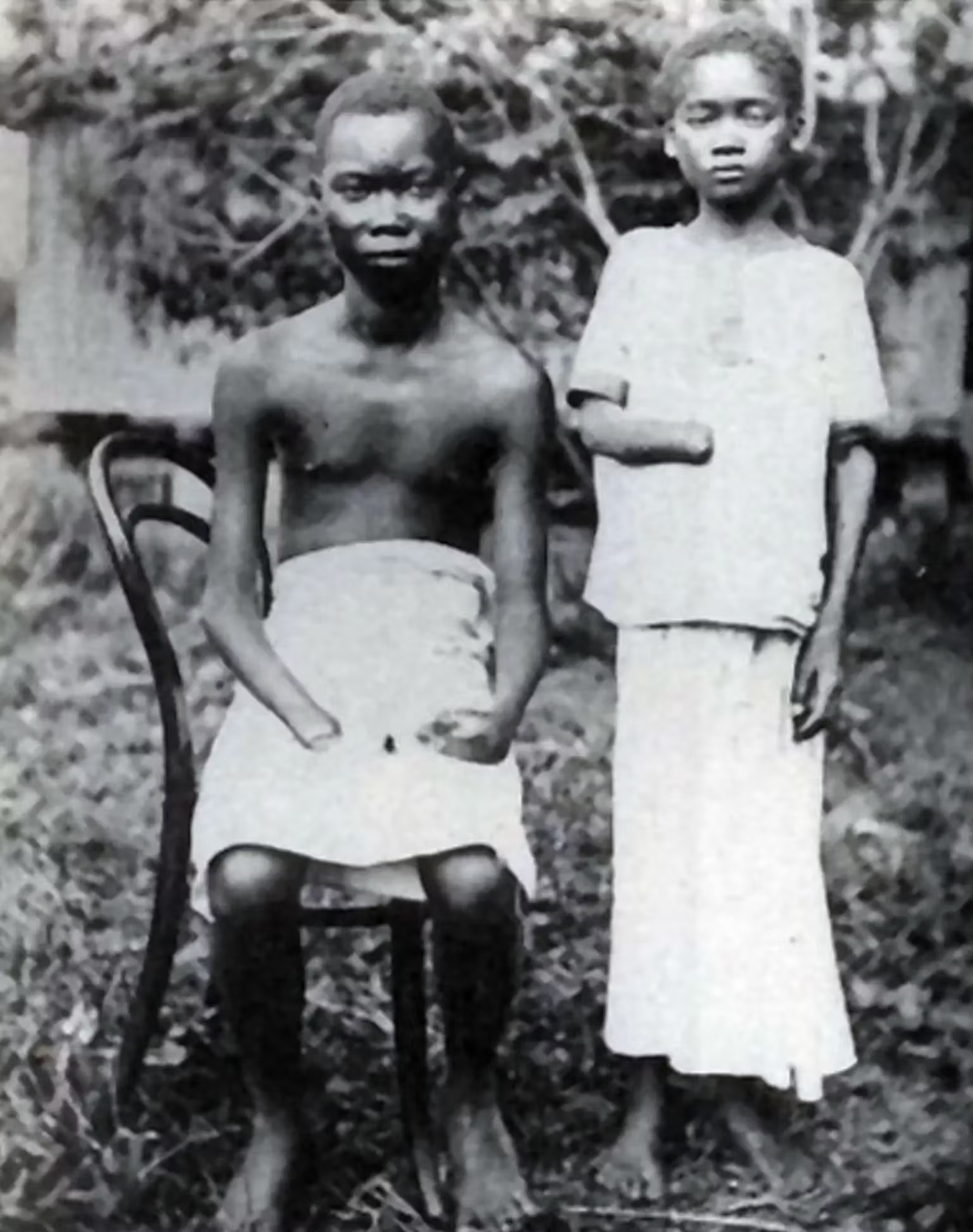
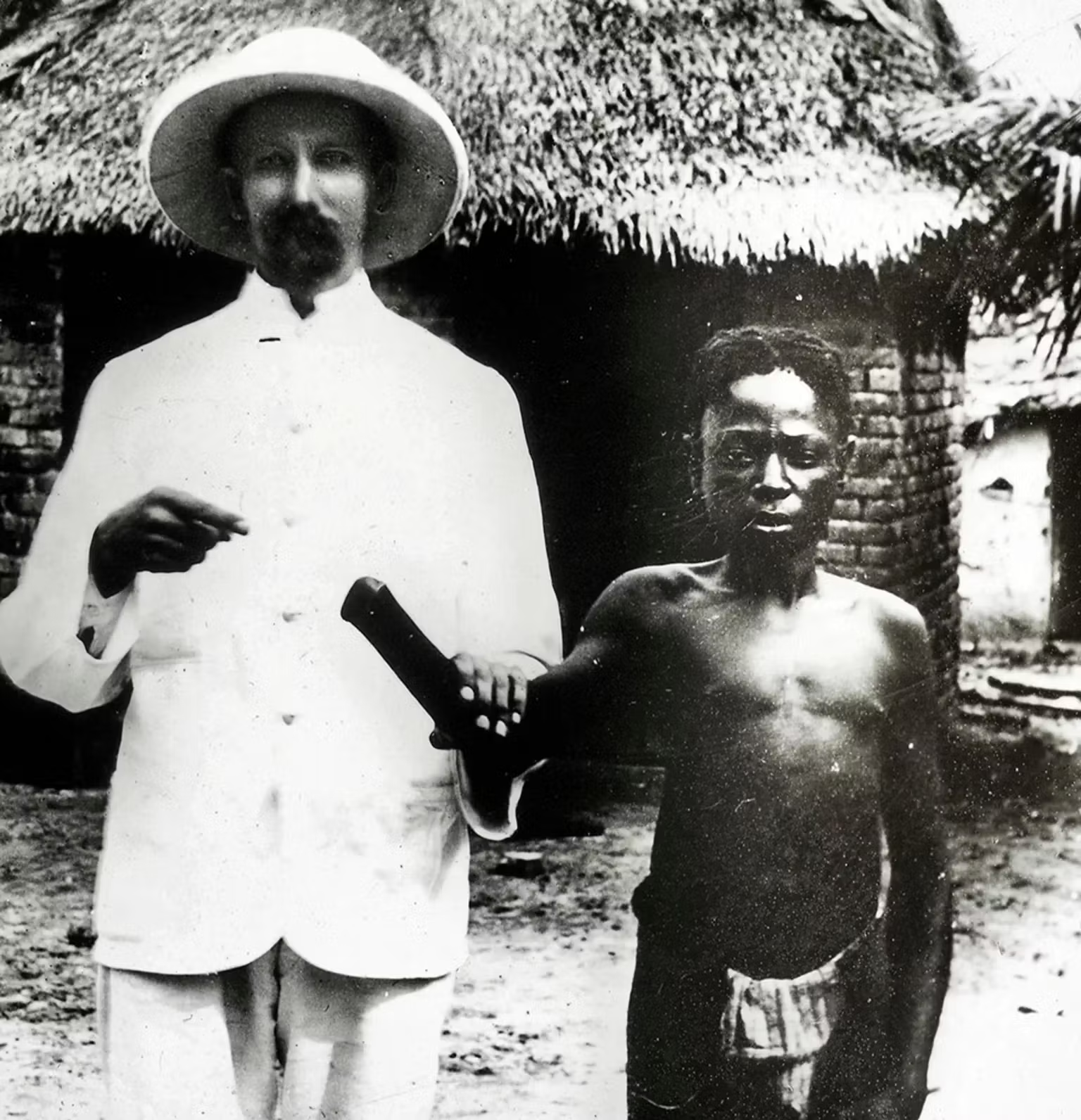
Global demand for rubber drove up production quotas. Men had to venture into the jungle to extract latex; women and children were held hostage to force compliance. Anyone who failed to meet the quota paid with their village burned down, with kidnappings, with mutilations. Severed hands became the trademark of terror: soldiers presented them as proof that they had not wasted bullets.
No one has the exact number, but historians speak of up to 10 million lives lost between 1885 and 1908, due to direct violence, famine, disease, and the collapse in birth rates. With that wealth, Leopold built monuments and museums in Belgium. One of them, the Royal Museum for Central Africa, now acknowledges that it was born as propaganda to sell the world the lie of a successful project.