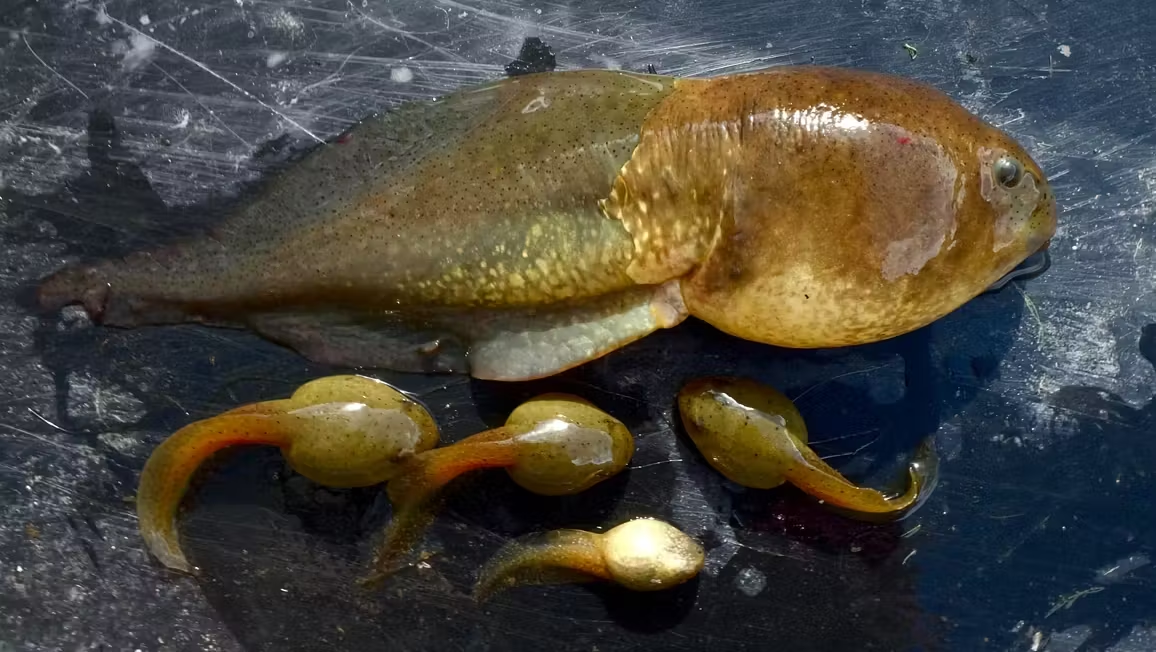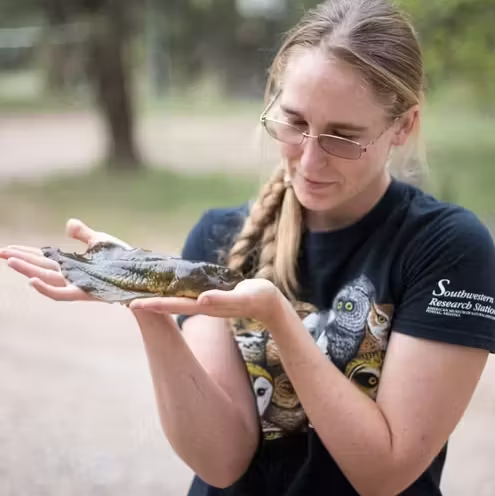

In 2018, while draining an artificial pond in Arizona’s Chiricahua Mountains, intern Alina Downer and her team from the American Museum of Natural History’s Southwestern Research Station came across something they did not expect to find in the mud.
It measured 25.7 centimeters: longer than a banana and wider than a soda can. Its head was the size of an adult bullfrog’s, but it retained the mouth and shape of a tadpole. They named it Goliath, and it exceeded the previous record for its species by about 6 centimeters.
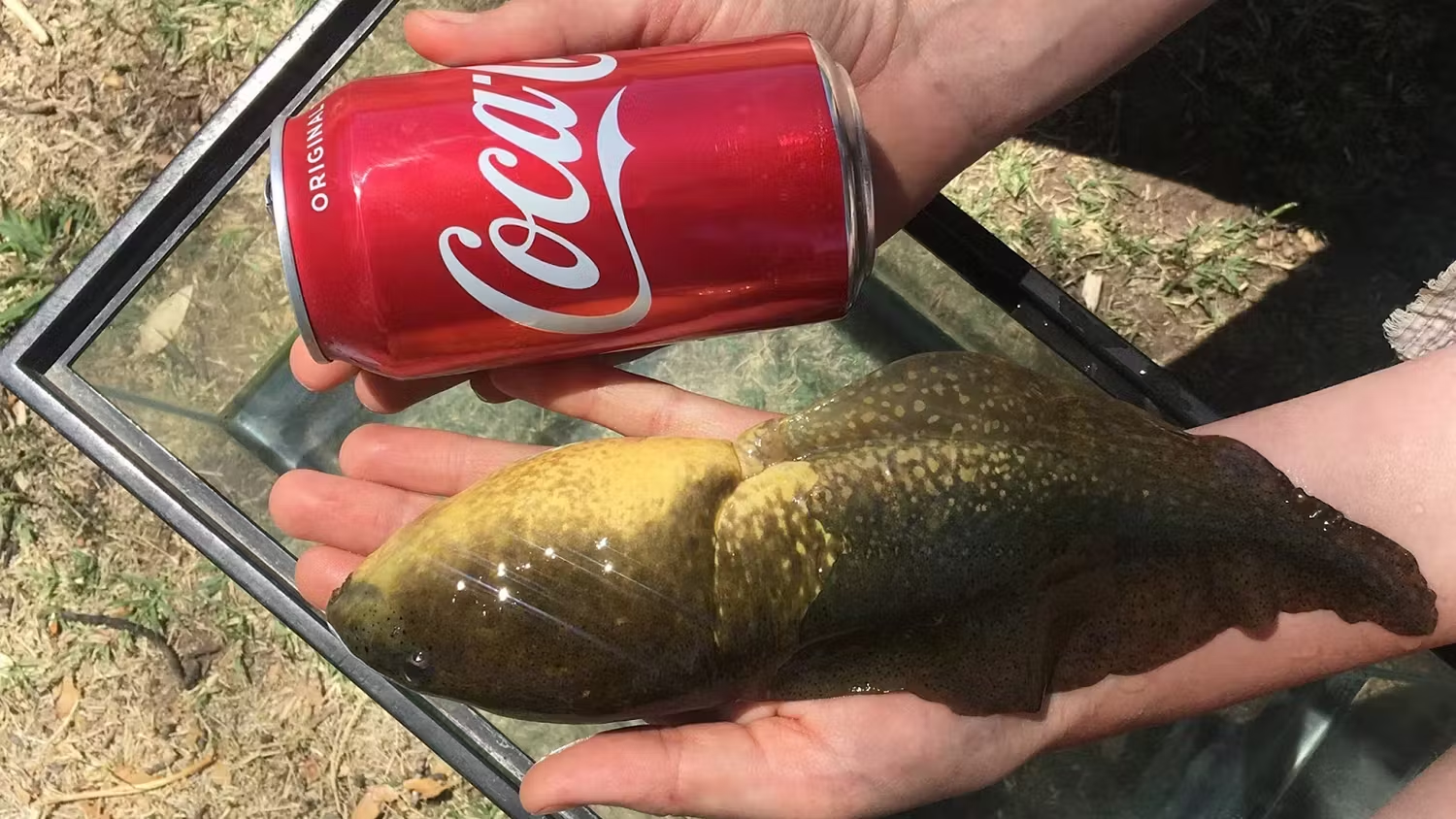
Why did it never grow legs? Biologist David Pfennig suspected a hormonal imbalance: its thyroid hormones, responsible for triggering metamorphosis, may have been blocked, while its body continued growing uncontrollably. Goliath lived at the station until 2019, when it died without the exact cause being confirmed. Today, its body remains preserved, holding an answer that science has yet to fully decipher.