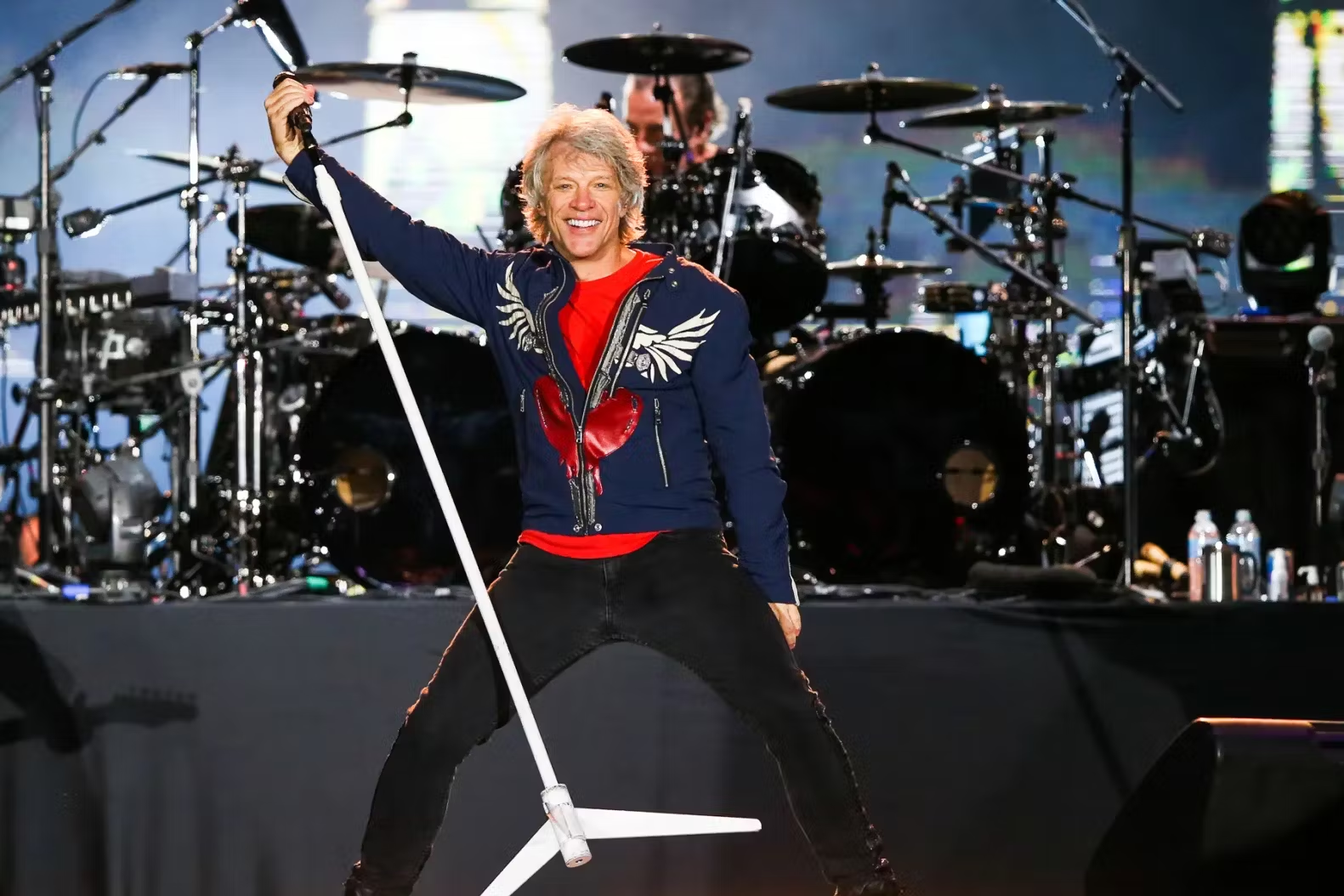
Jon Bon Jovi wrote “Livin’ on a Prayer” thinking about people struggling to survive. He sang it thousands of times, in packed stadiums, with thousands of arms raised. And one day he decided that singing it was no longer enough.
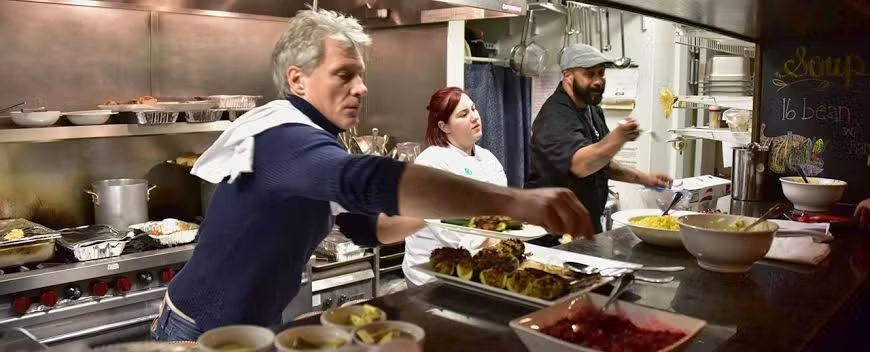
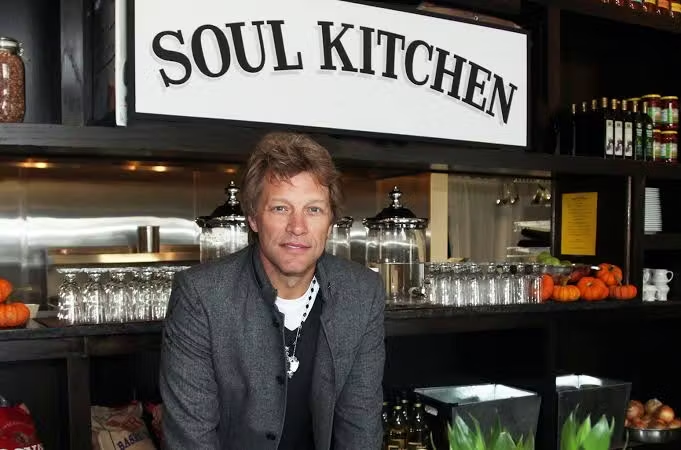
The world knows him for his long hair and his stadium anthems. Few know that this same man, nearly two decades ago, began building housing for homeless teenage mothers in Philadelphia. Or that he opened restaurants in New Jersey where those who cannot pay still get to eat.
He did not do it alone. Dorothea Hurley, his wife since 1989, runs the foundation alongside him. It is not an image operation put together by advisers: it is a project by two people who, before becoming a married couple, already shared the same way of seeing the world.
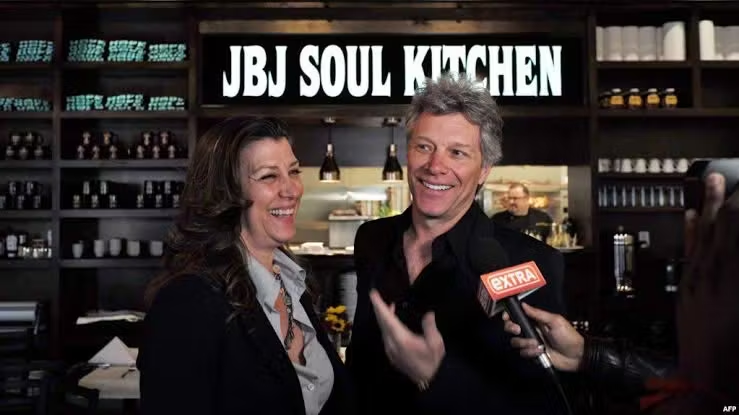
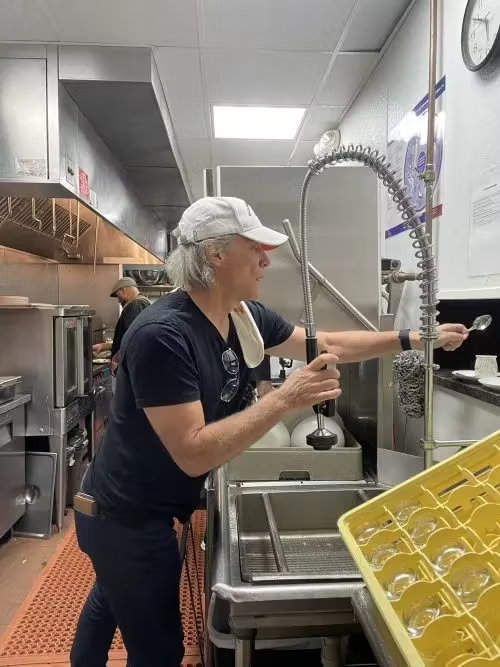
During the pandemic, Bon Jovi was seen washing dishes at one of his own establishments. No one asked him to. No one filmed him for a campaign.
“Doing good feels good”, he once said, without embellishment. And he added something that explains half his life: “Finding a purpose gives you momentum, and that is what allows you to do it day after day”.
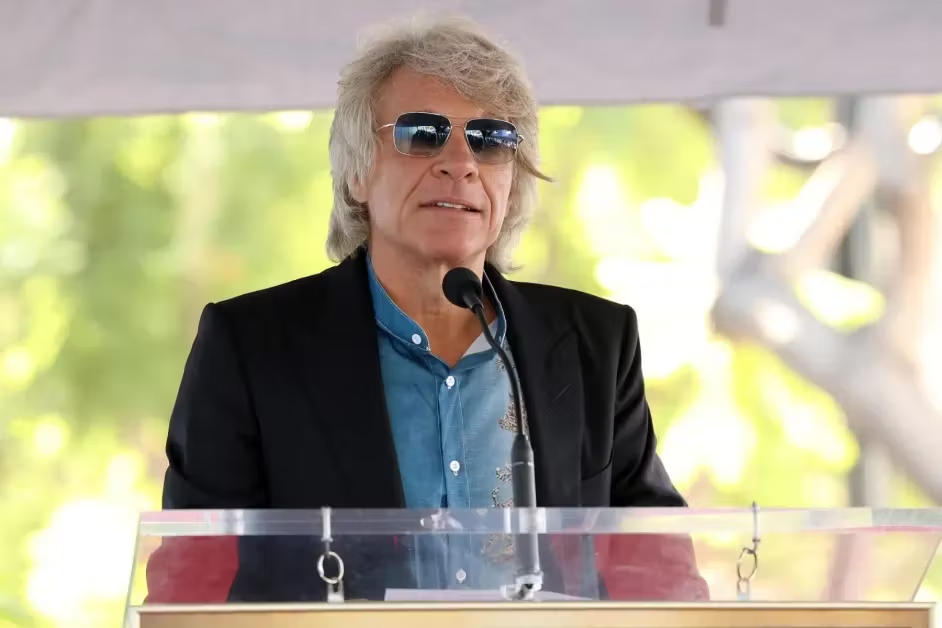
That is the key to why this rocker is different. He does not seek to change the whole world: he chooses to solve the problem in front of him, with his own hands. And he keeps at it, year after year, without asking for applause for it.
There are idols who grow larger through music. Bon Jovi grew larger through what he did when no one was watching.