
For years, Cladophialophora bantiana was an extremely rare infection in the United States. But something changed recently: eight cases were detected in 2024, and there were 14 in 2025, whereas the number had ranged from one to five per year between 2009 and 2023. A new CDC report describes the increase as approximately fourfold in just two years.
The fungus is particularly concerning because it has a strong affinity for the nervous system. The infection usually presents as a brain abscess and can cause severe illness even in people who apparently have a normal immune system. The CDC notes that approximately half of patients have no underlying condition that compromises their defenses.
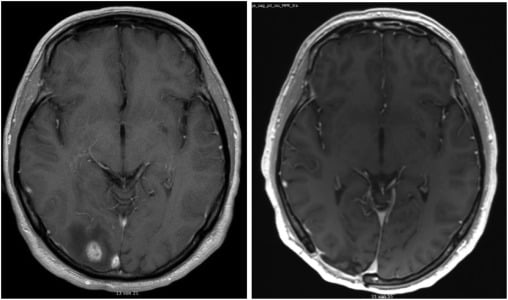
Between January 2009 and July 2026, a reference laboratory at the University of Washington identified 48 confirmed cases and one probable case from 22 U.S. jurisdictions. 88% of confirmed cases were detected in central nervous system samples and 12% in lung samples.
One of the biggest unknowns is how people become infected. Researchers believe the spores could enter the body when inhaled or after an injury to the skin, and subsequently reach the brain through the blood. However, the fungus has rarely been found in environmental samples, and many patients do not share an obvious exposure.
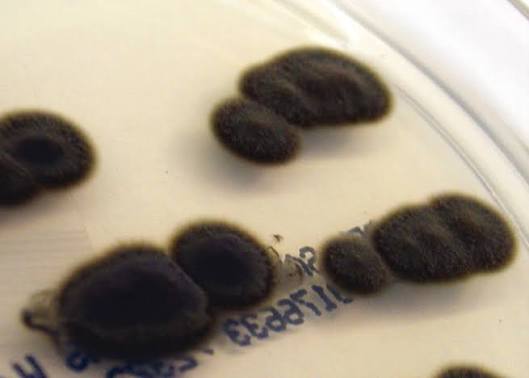
There is also no national surveillance yet that would make it possible to know precisely how many cases there are across the United States. The CDC report warns that the increase could have several explanations and that it is still unclear whether it is due to changes in the fungus’s epidemiology, a possible evolution in its virulence, or other factors.
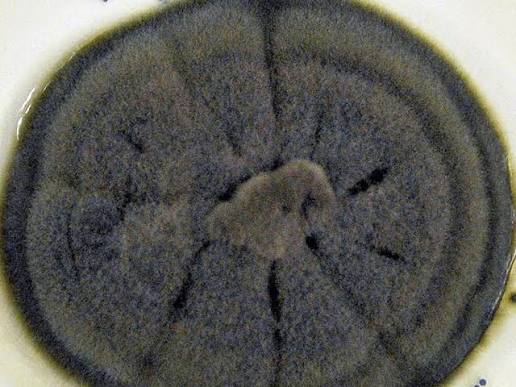
What is clear is that this is neither a common fungus nor an infection that is spreading like a respiratory virus. It is a rare but extremely serious disease: the medical literature estimates a mortality rate of between 60% and 70% even with aggressive treatment. The CDC recommends considering it when a patient presents with a brain abscess and notes that, when possible, surgical removal or drainage of the abscess along with antifungal treatment can improve the prognosis.