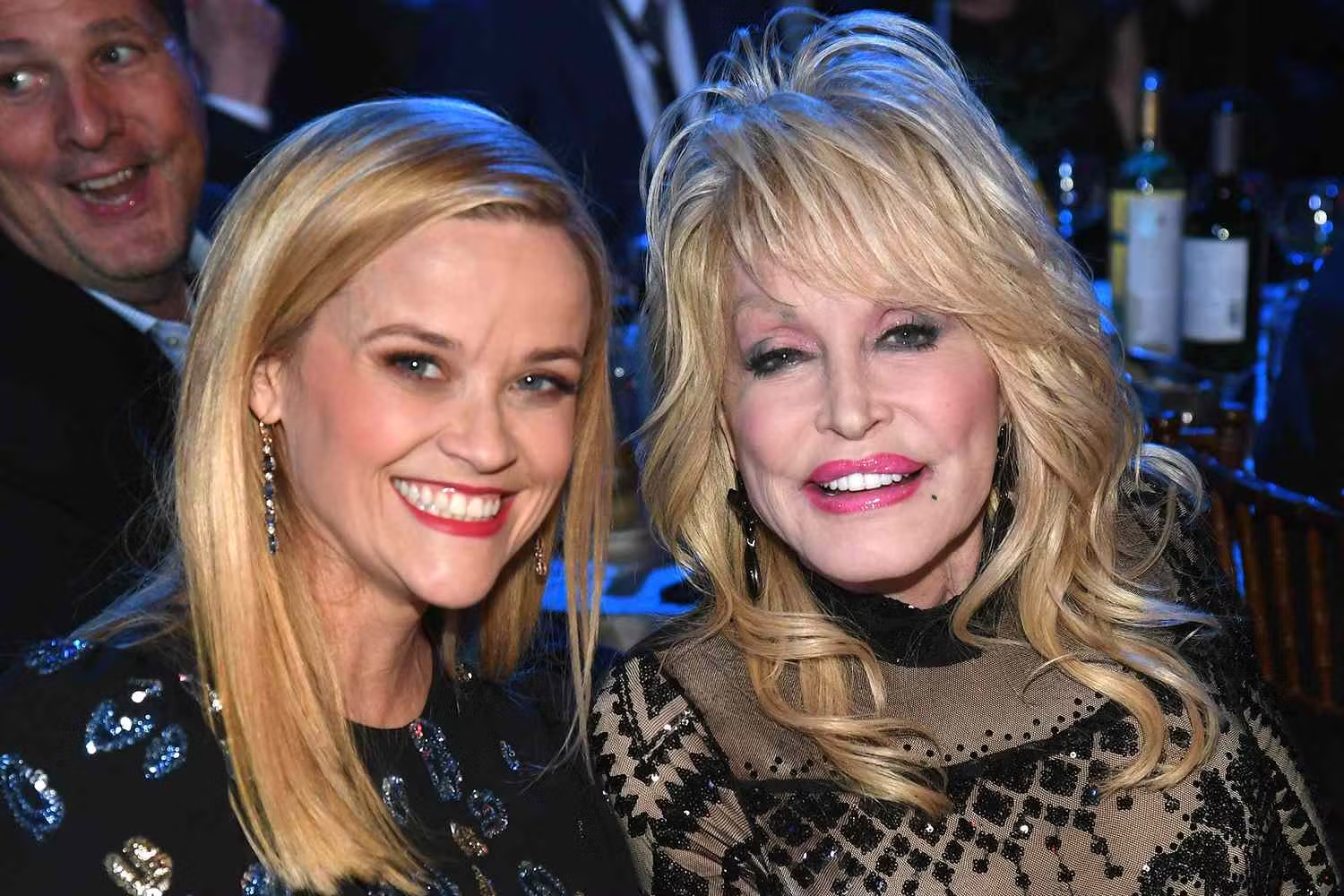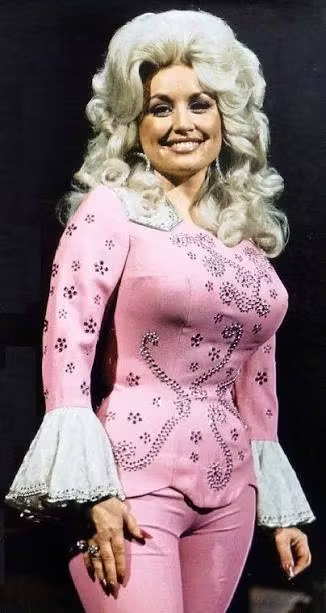
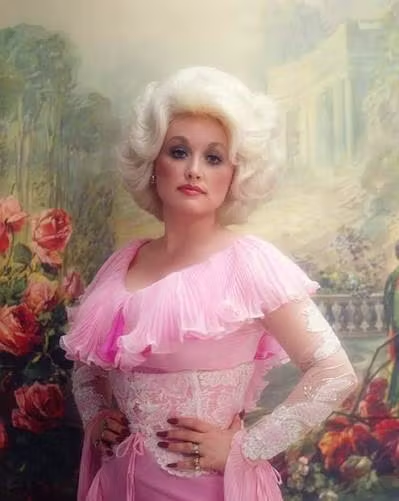
Dolly stood before the world with blonde hair piled higher than she was tall, extremely long nails, and a laugh no one had asked her to tone down. Many looked at her and decided, before hearing her sing or write a single song, that there wasn’t much behind that image. They were wrong.
Dolly took exactly what the world used to dismiss her and turned it into her brand, her business, and her power. She didn’t ask permission to be herself. She built an empire out of it.
Decades later, Reese Witherspoon ran into a different version of the same prejudice. In the early 2000s, directors wrote to her begging her to play empty roles, without substance. Tired of waiting for a real opportunity, she asked her agent for scripts she previously wouldn’t even have considered. That’s where Elle Woods came in.
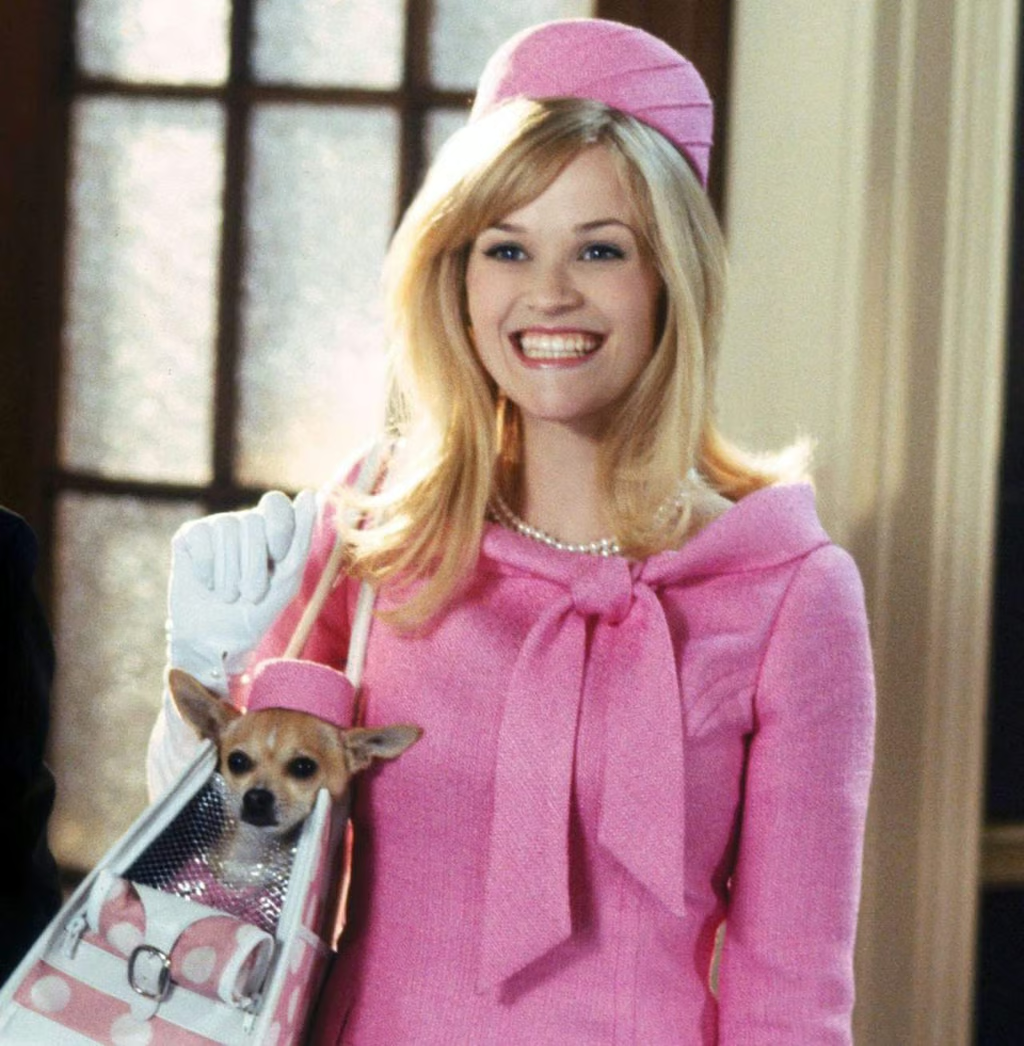
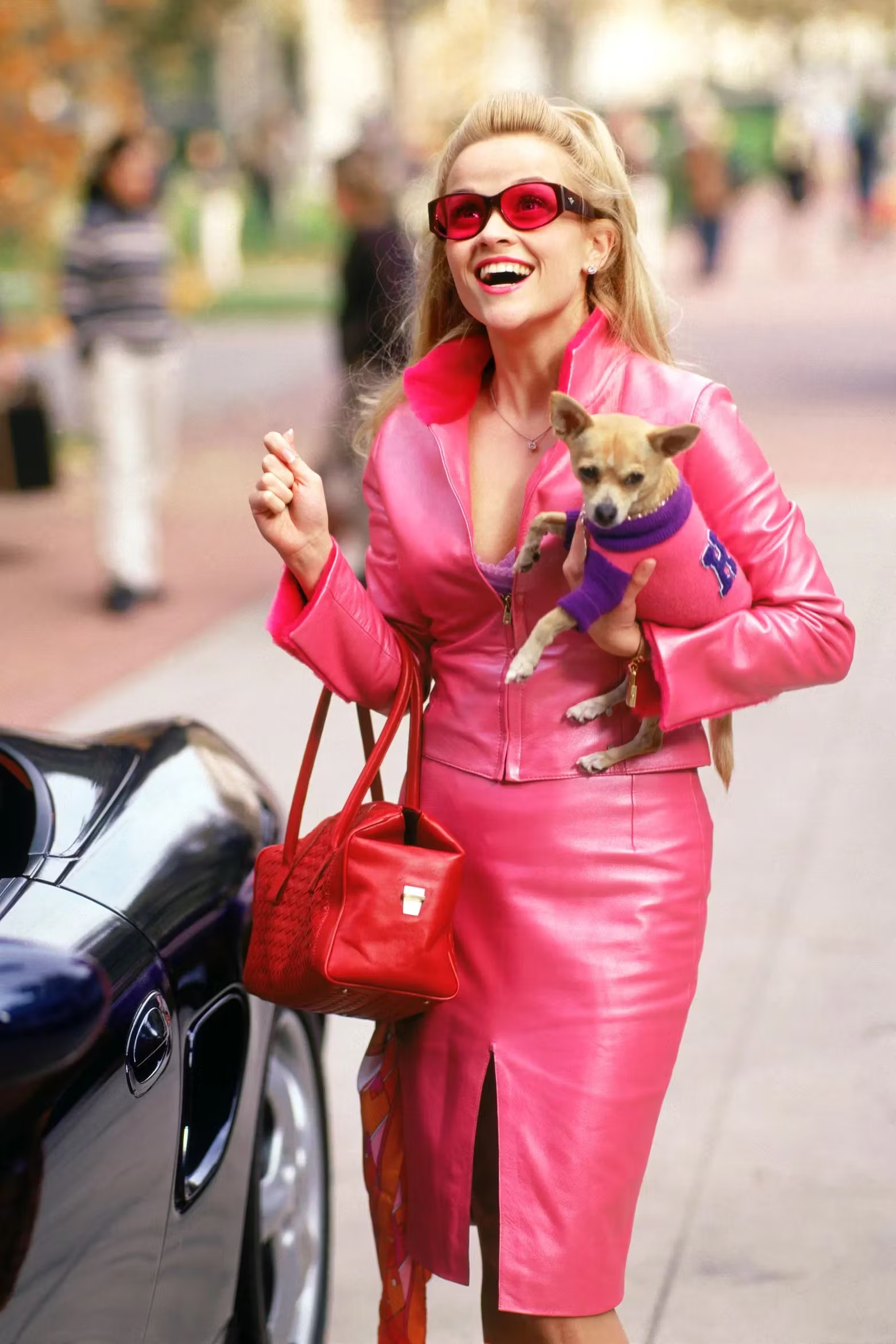
Legally Blonde seemed to make fun of a woman in pink, flirtatious and obsessed with fashion. It ended up proving the opposite: that intelligence and ambition don’t need to disguise themselves as seriousness to be real.
Then, as Reese was preparing to play the legendary singer June Carter Cash in “Walk& the Line”, Dolly invited her to dinner. That night, she told her, one by one, the stories of how her dear friend June won over anyone who crossed her path: not by following a mold of a demure country woman, but by showing herself exactly as she was, with her humor and warmth intact.
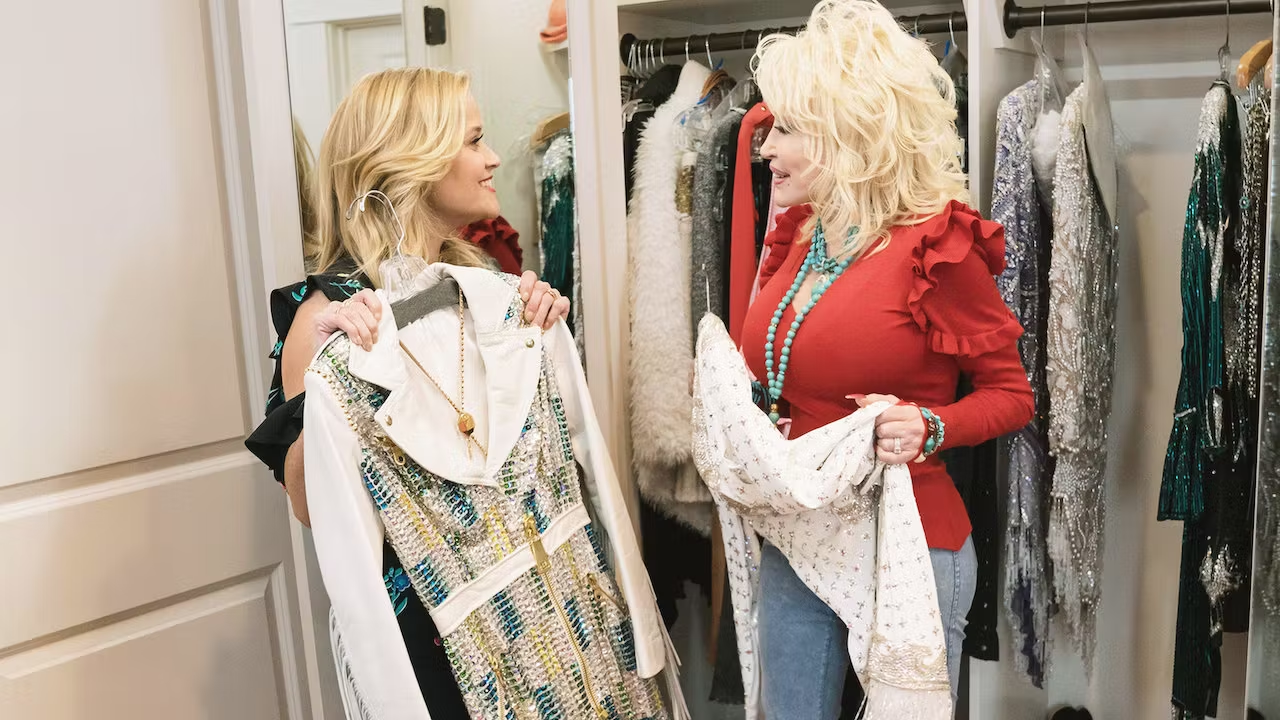
Those stories gave Reese something no technical rehearsal could have given her: permission not to shrink her own energy when stepping into the role, to act with her whole spirit in it. The result was an Oscar, but also a lesson that stayed with her long after the movie was over.
Before founding her production company, Reese saw that stories with women at the center barely existed and didn’t wait for someone to give them to her. She built them herself, just as Dolly had done with her own name before her.
There was a woman who decided, first of all, that shine wasn’t a weakness. Everything that came afterward begins there.