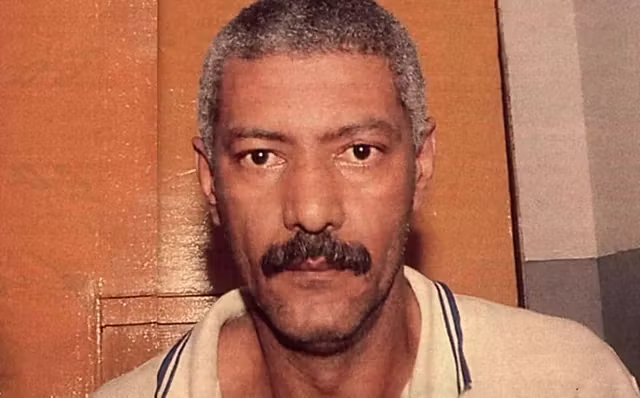
Edson Izidoro arrived for the night shifts at Salgado Filho Hospital, in Rio de Janeiro, with a routine that no one inside the medical center questioned for far too long: he identified the most vulnerable patients, removed their oxygen supply or injected them with substances, and waited. Each death brought him a commission from the funeral homes with which, according to Brazilian authorities, he maintained a systematic arrangement.
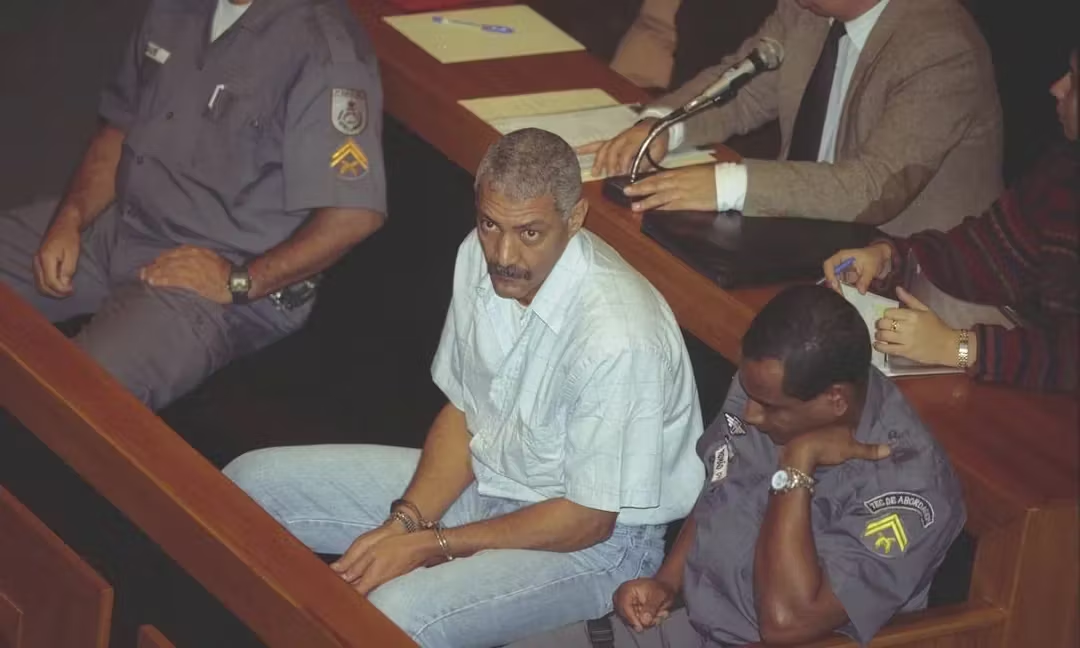
The case, which erupted in the late 1990s, exposed what investigators called the “funeral home mafia”: a network that monetized death inside a public hospital. Izidoro eventually confessed to his involvement in the murder of several patients, although estimates at the time suggested that the real number of victims could exceed one hundred. The formal convictions, however, covered only a limited number of cases.
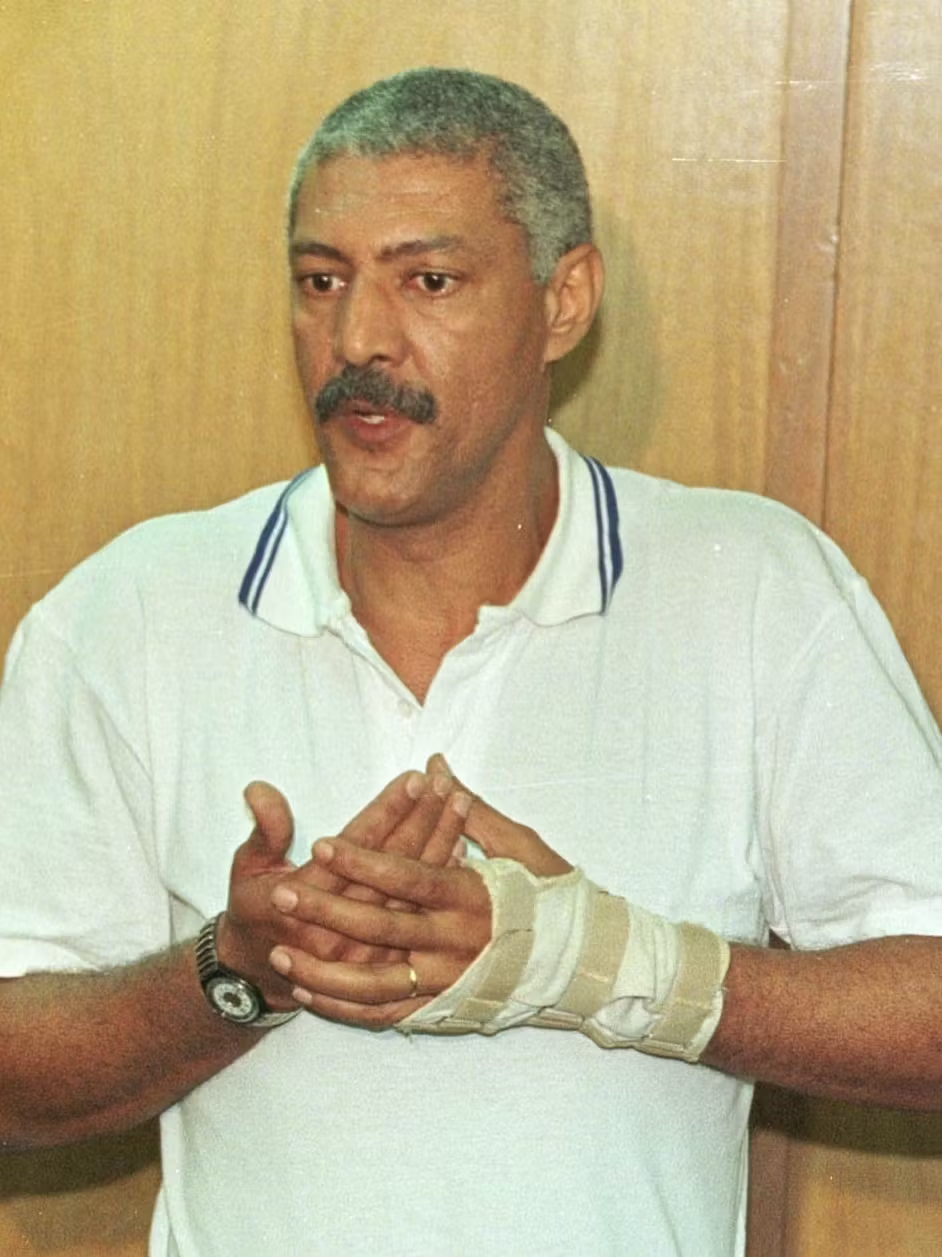
What made this case particularly disturbing was not only the coldness of the method, but also the position of trust Izidoro occupied: that of someone to whom patients, and their families, entrusted their lives without questioning him. Brazil debated for years which oversight mechanisms had failed to allow such a scheme to operate undetected.