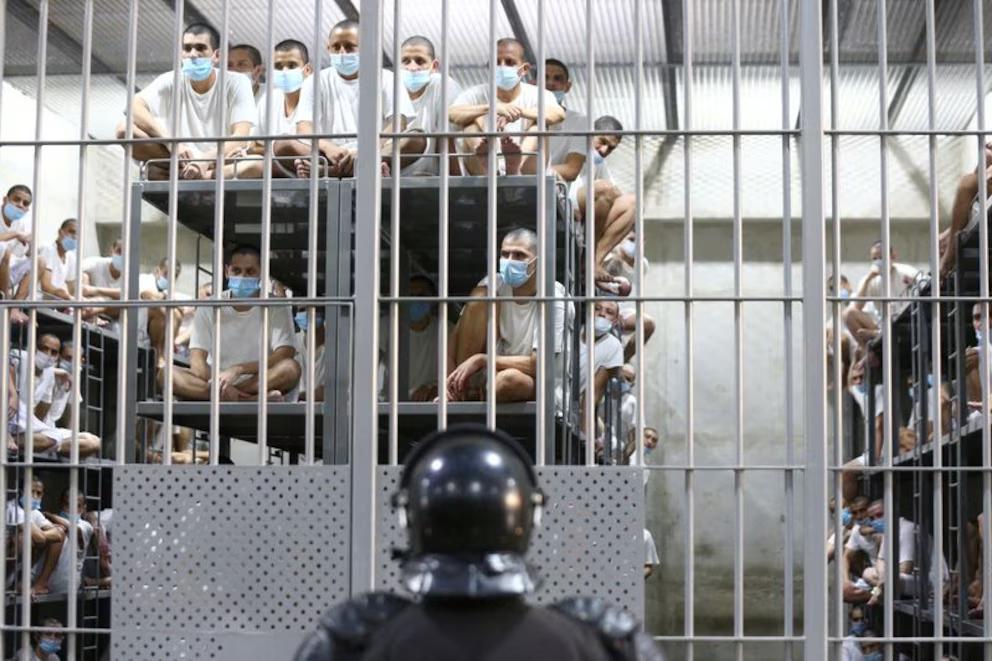
Since 1983, El Salvador’s Constitution had a line that no one touched: life imprisonment was prohibited. That Tuesday, April 15, 2026, Nayib Bukele erased it with his signature.
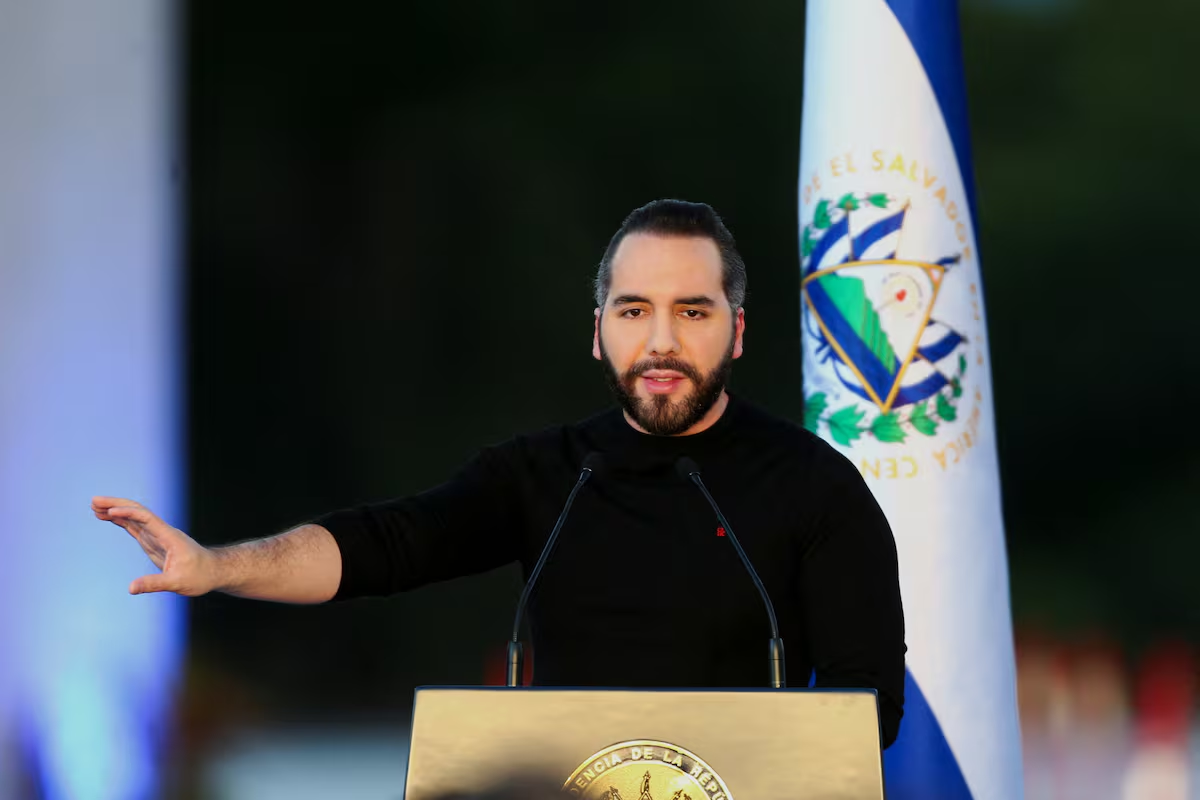
The reform, approved in the Legislative Assembly with 59 out of 60 possible votes and without committee debate, allows adolescents as young as 12 to be sentenced to life in prison if they commit murder, femicide, rape, terrorism, or belong to gangs. Previously, the maximum for a minor of that age was 10 years in prison. The change takes effect on April 26 and provides for judicial review only after 25 years of imprisonment.
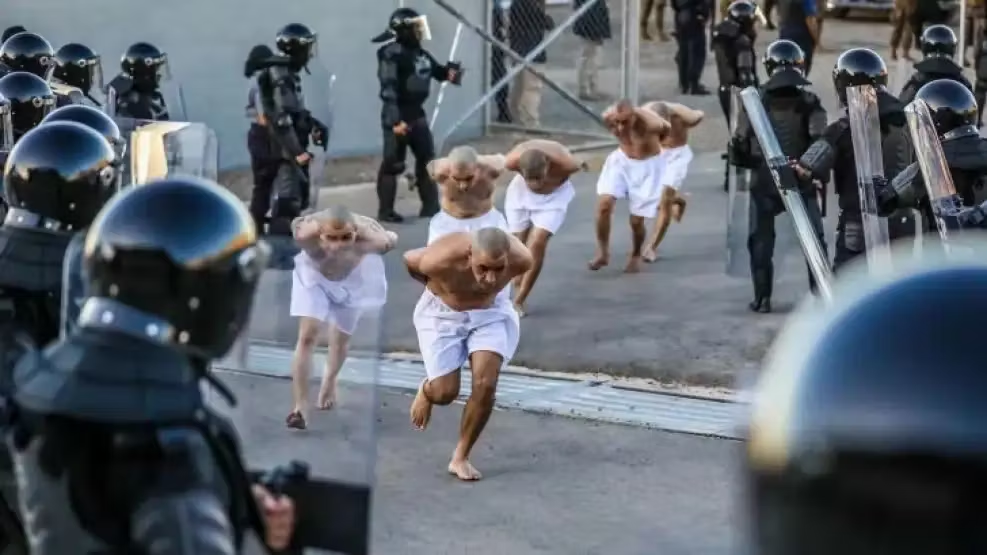
Minister Gustavo Villatoro promoted the measure as a guarantee that these criminals will not pose a danger again. The UN Committee on the Rights of the Child and UNICEF responded with ‘deep concern.’ Between the two positions remains a question that El Salvador has already answered in its own way: are there crimes so serious that they erase the childhood of those who commit them?