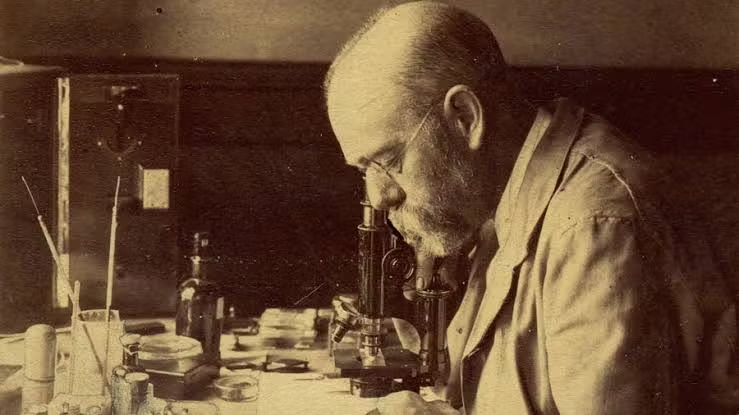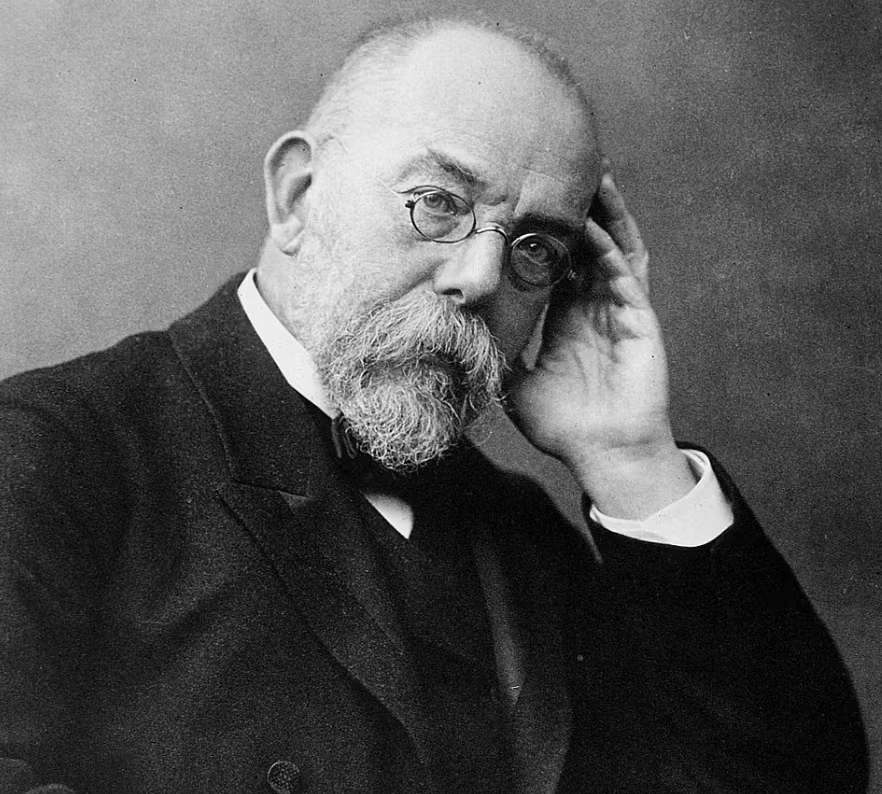
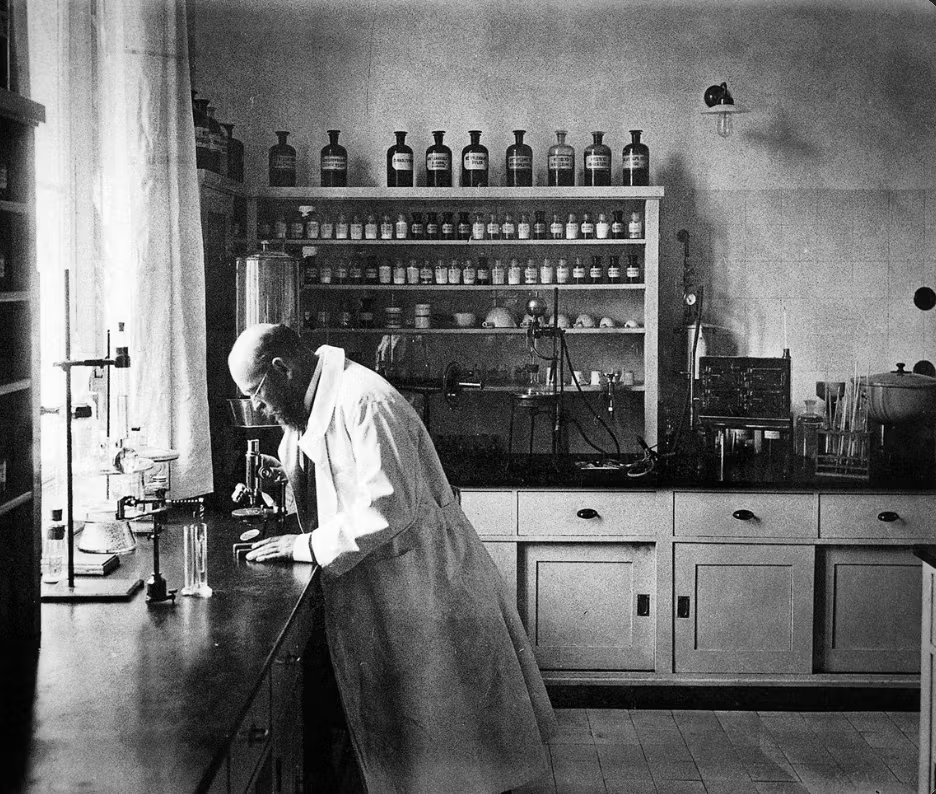
At school, they teach you that Robert Koch is a hero. He discovered the tuberculosis bacterium, won the Nobel Prize in 1905, and today Germany’s most important medical institute bears his name.
But between 1906 and 1907, the German colonial administration sent him to East Africa to investigate sleeping sickness. At an isolation camp on the Ssese Islands in Lake Victoria, Uganda, Atoxyl was tested, a compound containing arsenic that is highly toxic in high doses. According to the Robert Koch Institute itself, it initially appeared successful, but the parasite disappeared from the blood only briefly. And despite knowing the drug’s risks, Koch doubled the dose.
On April 25, 1907, he published a report in which he himself reported 22 cases of blindness caused by the drug. He continued the treatment, convinced of its efficacy. Today, the RKI calls that work ethically unacceptable, and his critics speak of concentration camps.
Can a genius like this still be celebrated?