
Matthew Robinson was not expected to survive a single day.
He was born with disabilities so severe that doctors in Salt Lake City, Utah, gave him only hours to live. He lived 11 years, blind, paralyzed, and confined to a wheelchair. He never walked, never saw his father’s face. And yet, in that body that barely responded, Ernest Robinson found the strongest person he had ever known.
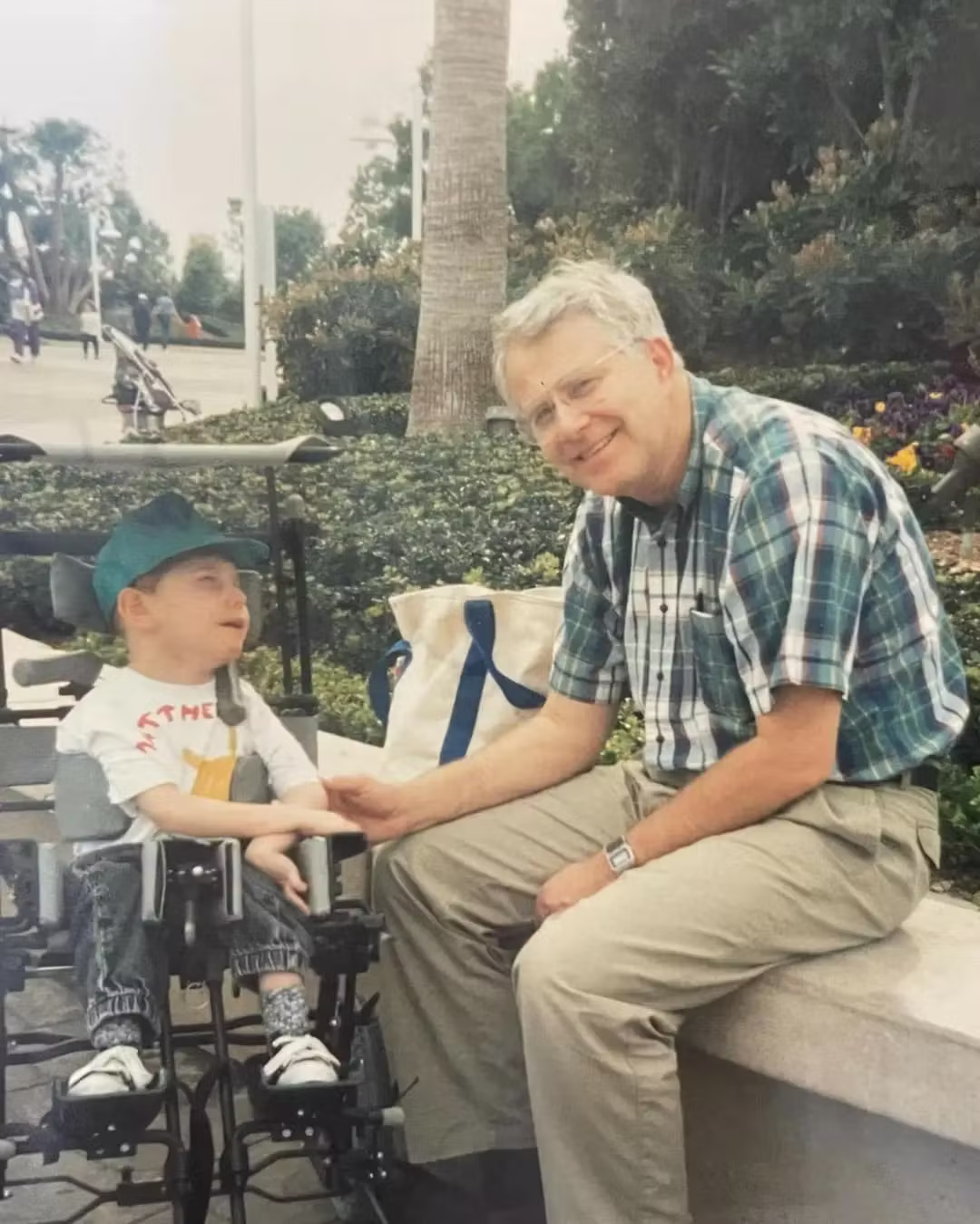
When Matthew died in 1999, Ernest refused to let his grave be just a point of pain in the cemetery. He commissioned a sculpture that now travels the world in photographs: his son leaving the wheelchair behind, with his body upright and healthy, pointing to the sky with his free hand. The Matthew Stanford Robison Memorial does not represent a death. It represents what that child could never have in life.
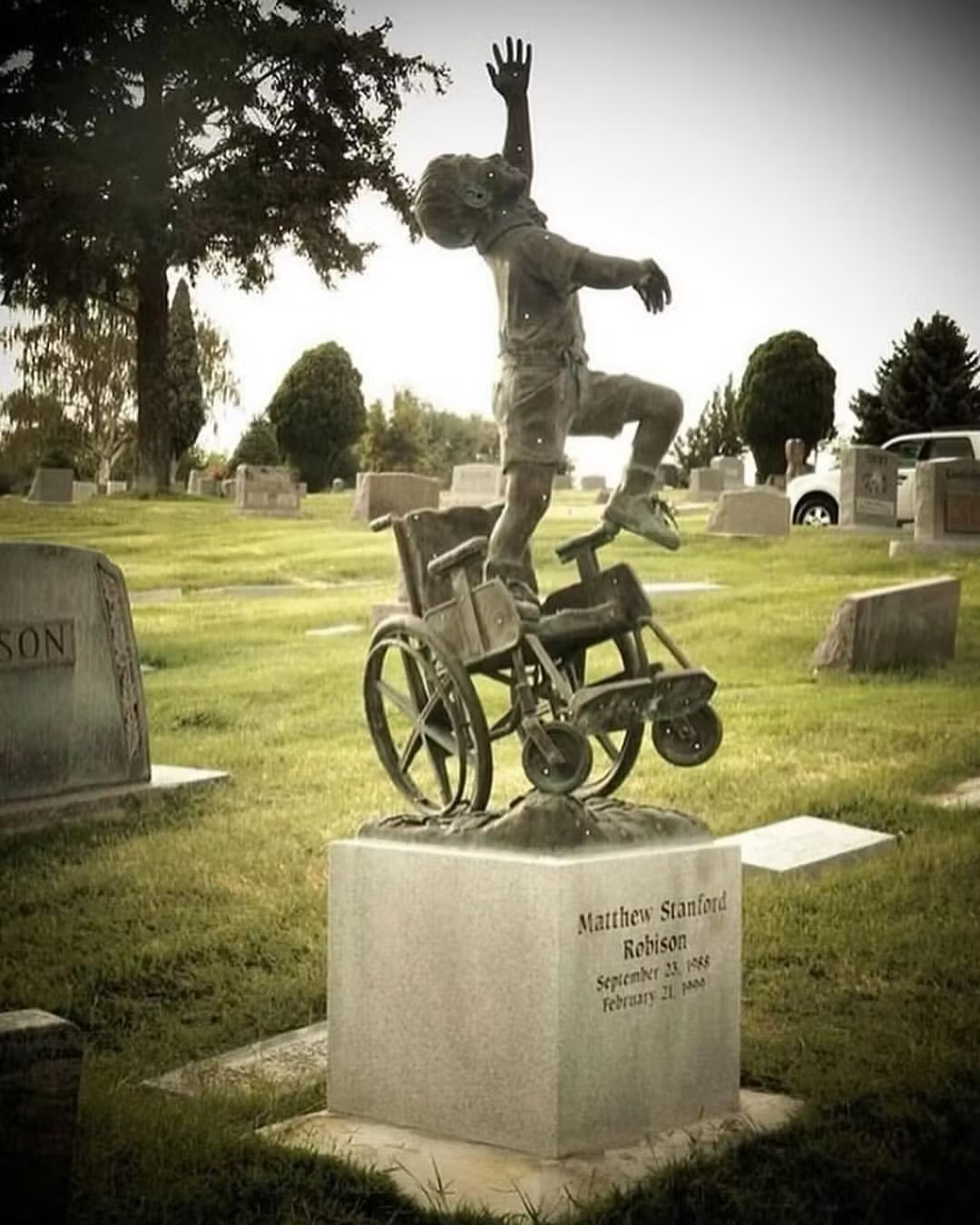
Everyone who visits that grave understands something without anyone having to explain it: there are parents who cannot heal their children, but they can leave them a place where, even if only in stone, they are finally free.