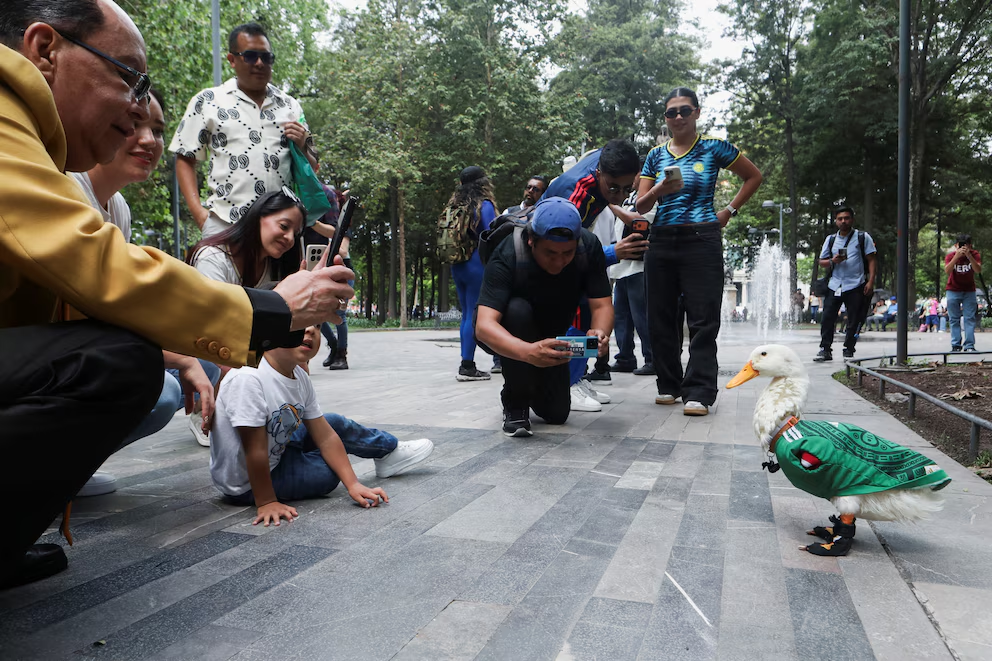
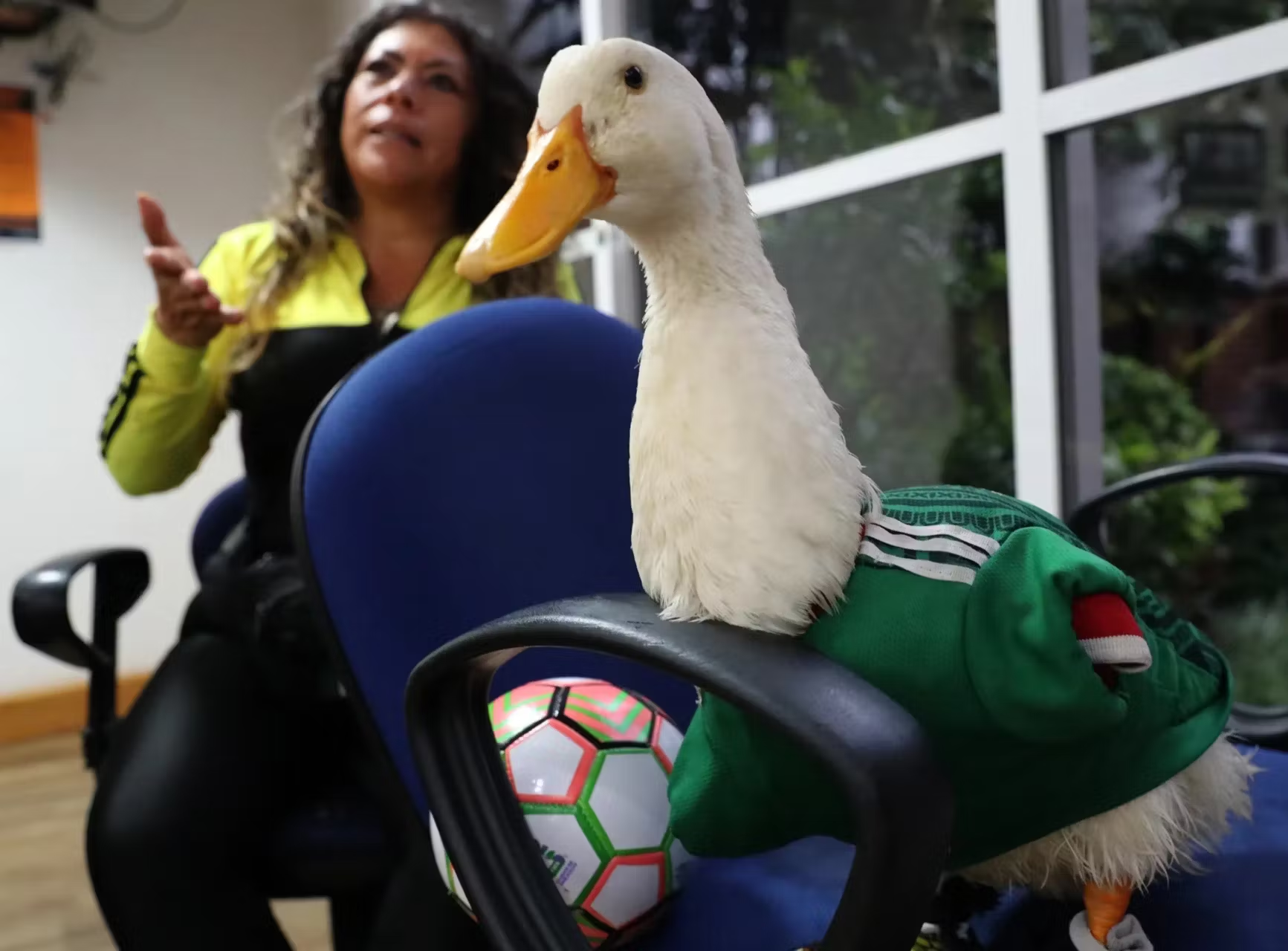
Karla Gómez sells in the Alameda Central in Mexico City and brings along Merlín, her 2-year-old duck who goes to work wearing a Mexican National Team jersey and socks. On June 16, 2026, after the opening match Mexico 2-0 South Africa, Merlín appeared among the crowd on Paseo de la Reforma and within hours Reuters, AP, the New York Times, and the BBC were already talking about him. FIFA named him official ambassador of the Host City of Mexico City. Businessman Ricardo Salinas Pliego gave him stadium tickets. Former president Felipe Calderón demanded royalties from FIFA on behalf of the family. A street vendor’s duck.
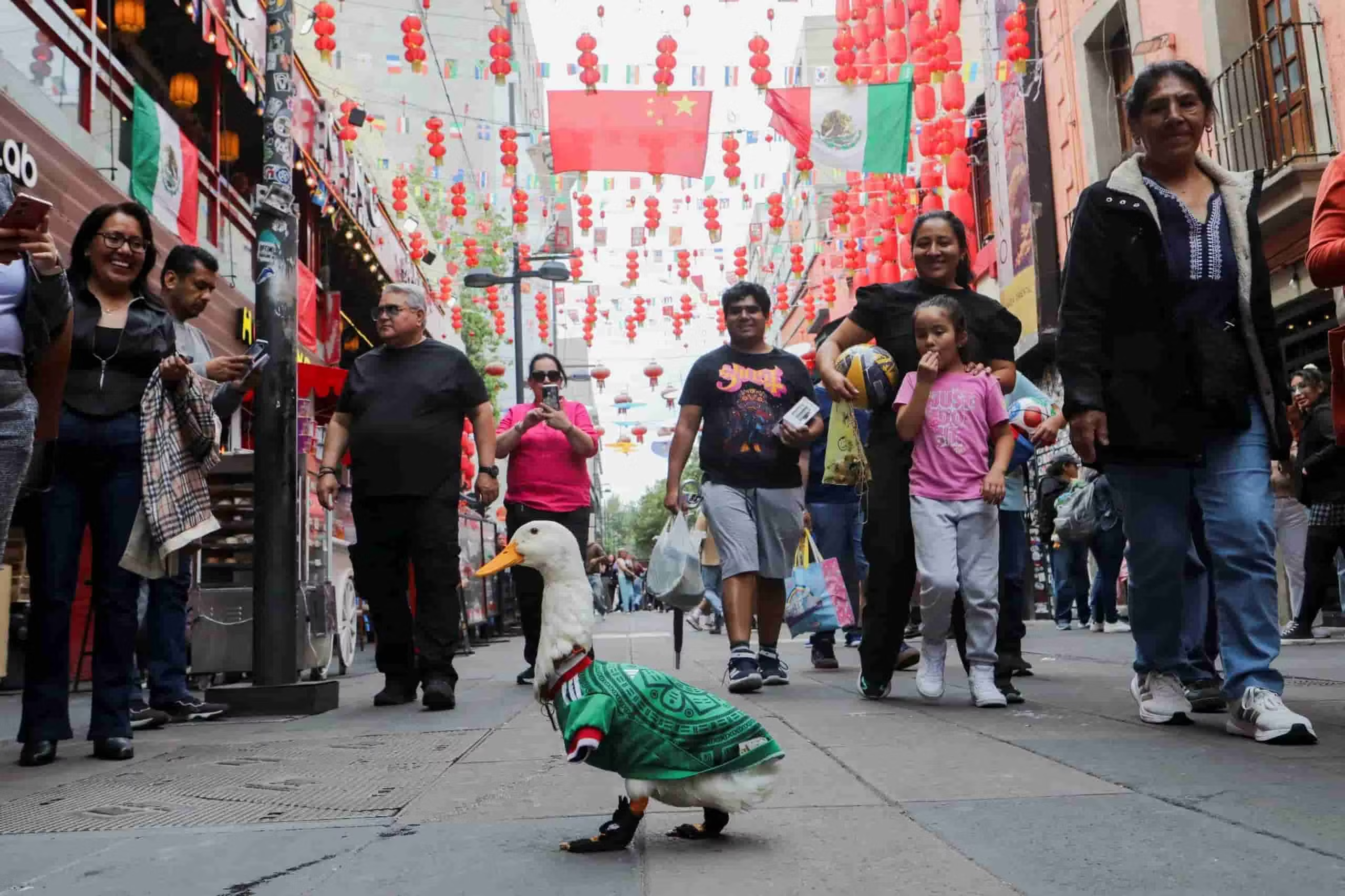
The problem is what came afterward. Duck sales in Mexico have skyrocketed since Merlín went viral, and the Pachuca Wildlife Rehabilitation Unit has already sounded the alarm: buying one because it is fashionable is condemning it. A domestic duck can live between 10 and 15 years, needs ample space, clean water, a specialized diet, and the company of other ducks. It is not a World Cup souvenir. On June 3 — before the euphoria began — the PAOT of CDMX had already rescued 17 abandoned ducks in the lake at Huayamilpas Ecological Park, in Coyoacán.
Merlín achieved it all. But the price could be paid by thousands of animals that did not choose to become a trend. 🦆