He cried in the front row.
In a town in France, a woman was found dead, having been strangled, and the entire community took to the streets to demand justice. Among the neighbors walking with candles and signs was a man who seemed as devastated as everyone else. He comforted others, wiped away his tears, and moved forward with the crowd like any other mourner in the collective grief.
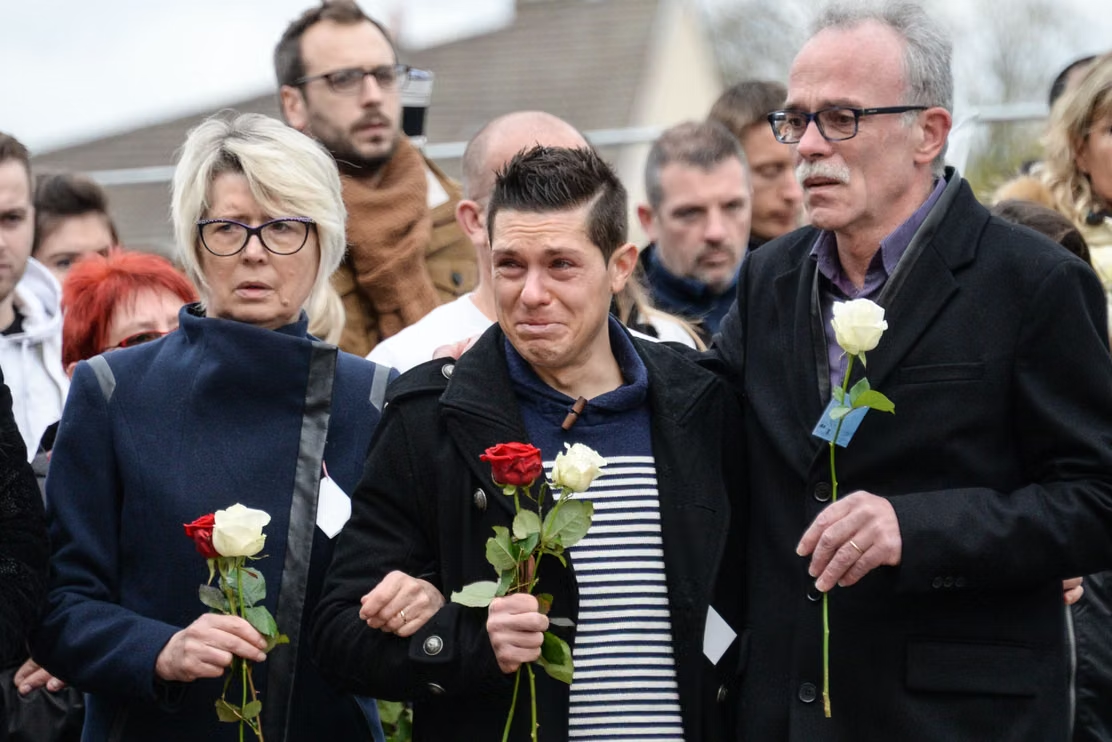
No one suspected him until the police, pursuing the investigation, brought him in for questioning. It was there, away from the cameras and the applause for his supposed grief, that he admitted what he had done: he was the perpetrator of the crime that the entire march sought to clarify. The same man who had walked in tribute to the victim was the one who had taken her life.

The news spread throughout France and raised uncomfortable questions about how many times an aggressor can hide behind someone else’s grief without anyone noticing in time.