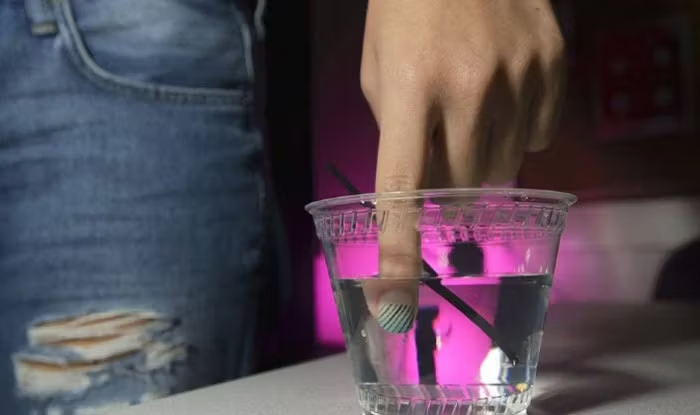
Four students at North Carolina State University came together in an engineering entrepreneurship program with an idea to combat drugs someone slips into a drink: a nail polish that changes color if it detects substances such as GHB or Rohypnol. Their company is called Undercover Colors, and the promise was simple: stir the drink with a finger.
“Any woman will be able to ensure her safety discreetly just by stirring her drink with her finger”, they explained. “If her polish changes color, she’ll know something is wrong.” The idea seemed practical because existing kits for testing drinks are bulky and hard to take out in a bar without anyone noticing. The news garnered hundreds of thousands of likes and shares on Facebook and X.

Then came the criticism, and not from where it was expected: from activists against sexual violence. Journalist Jessica Valenti thanked the young people for their intentions, but warned that anything that places the burden of preventing an assault on women “misses the point”. Other voices pointed out that adding one more step to the list of precautions can fuel victim-blaming, and that most assaults are linked more to alcohol than to these drugs. Their proposal: teach that having sex with someone too drunk to consent is rape.
Should prevention start with women or with those who assault?