Francis Clifford Smith was 25 when he was sentenced to death for a crime he denied committing until his dying breath.
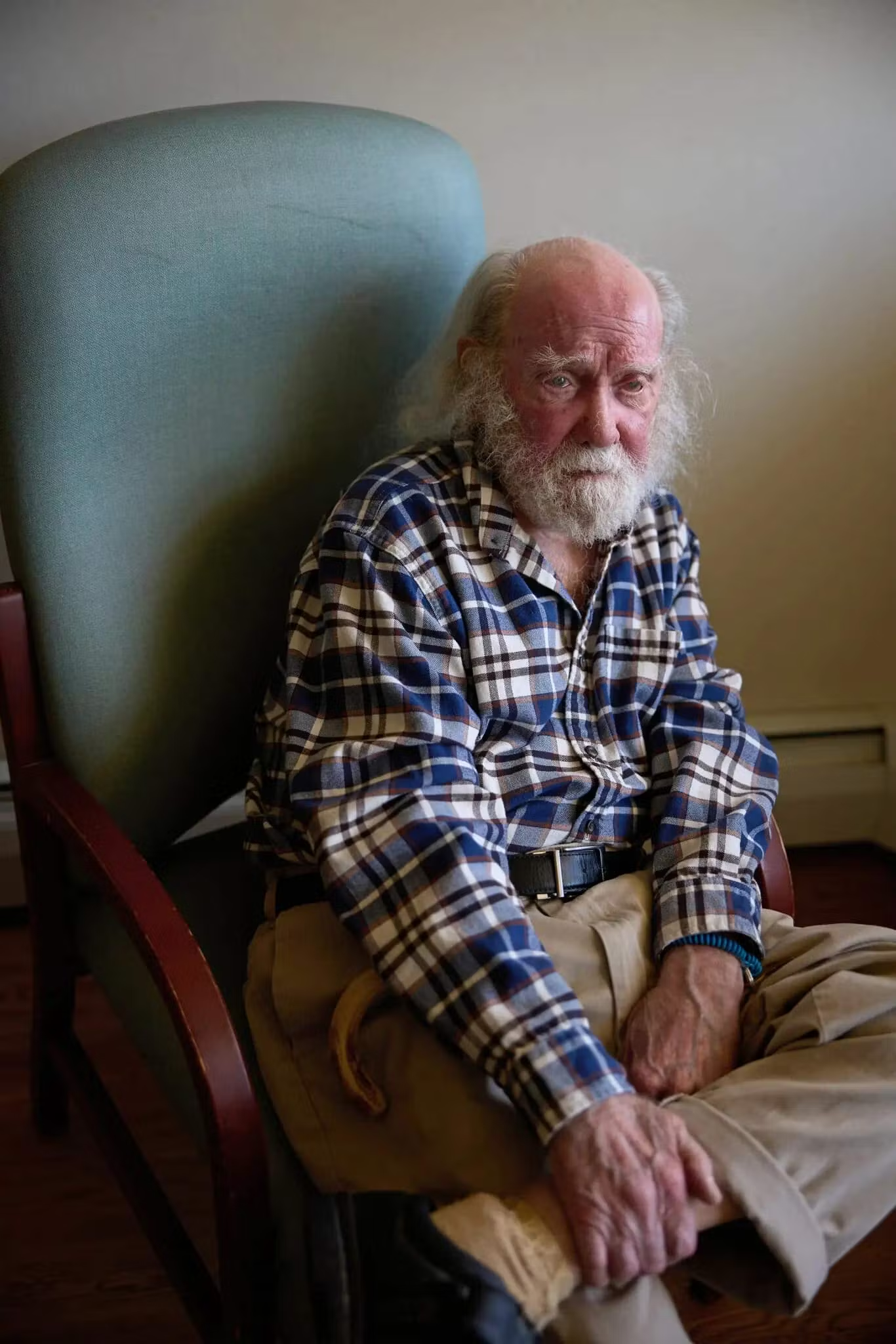
He was convicted of killing 68-year-old watchman Grover Hart during a robbery at a yacht club in Greenwich, Connecticut, in 1949. Eight times they prepared him to die. Eight times they served him his last meal. And eight times, for various legal reasons, the execution was halted. In 1954, his sentence was commuted to life imprisonment, and that was when a wait began that would last for the rest of his life.
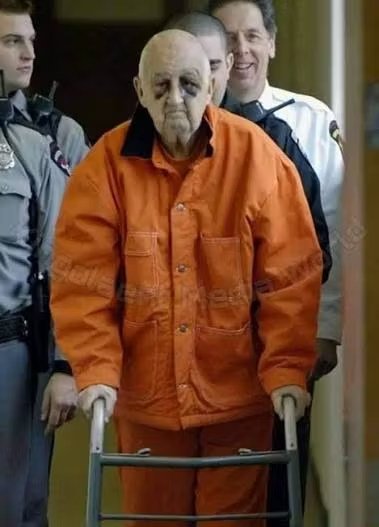
Over the years, cracks appeared in the case: witnesses recanted, an investigator said he believed in Smith’s innocence, and even another inmate confessed that he was the one who had killed Hart. None of that got him out of prison. Smith spent more than seven decades behind bars, earned the nickname ‘the bird man of Osborn’ for feeding birds with bread he hid, and was only released on parole in 2020, already elderly and suffering from senile dementia. He died in his sleep at 101, without anyone—neither the justice system nor history—ever confirming whether he deserved to spend his entire life behind bars.