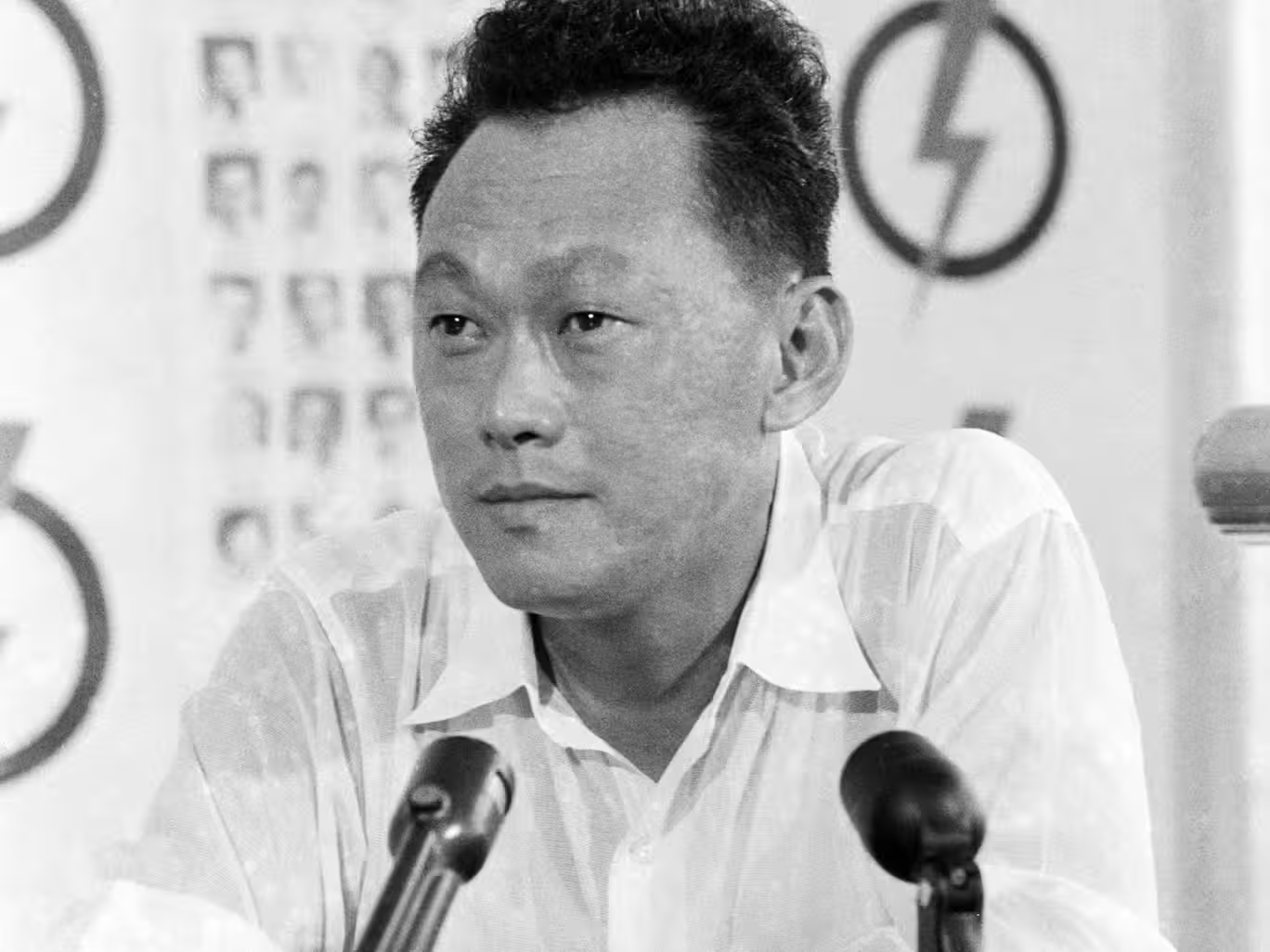
Singapore was a small island, without major natural resources, with social tensions and enormous doubts about its future. Under the leadership of Lee Kuan Yew, the country began a transformation that took it from economic fragility to becoming one of the world’s most important financial centers.
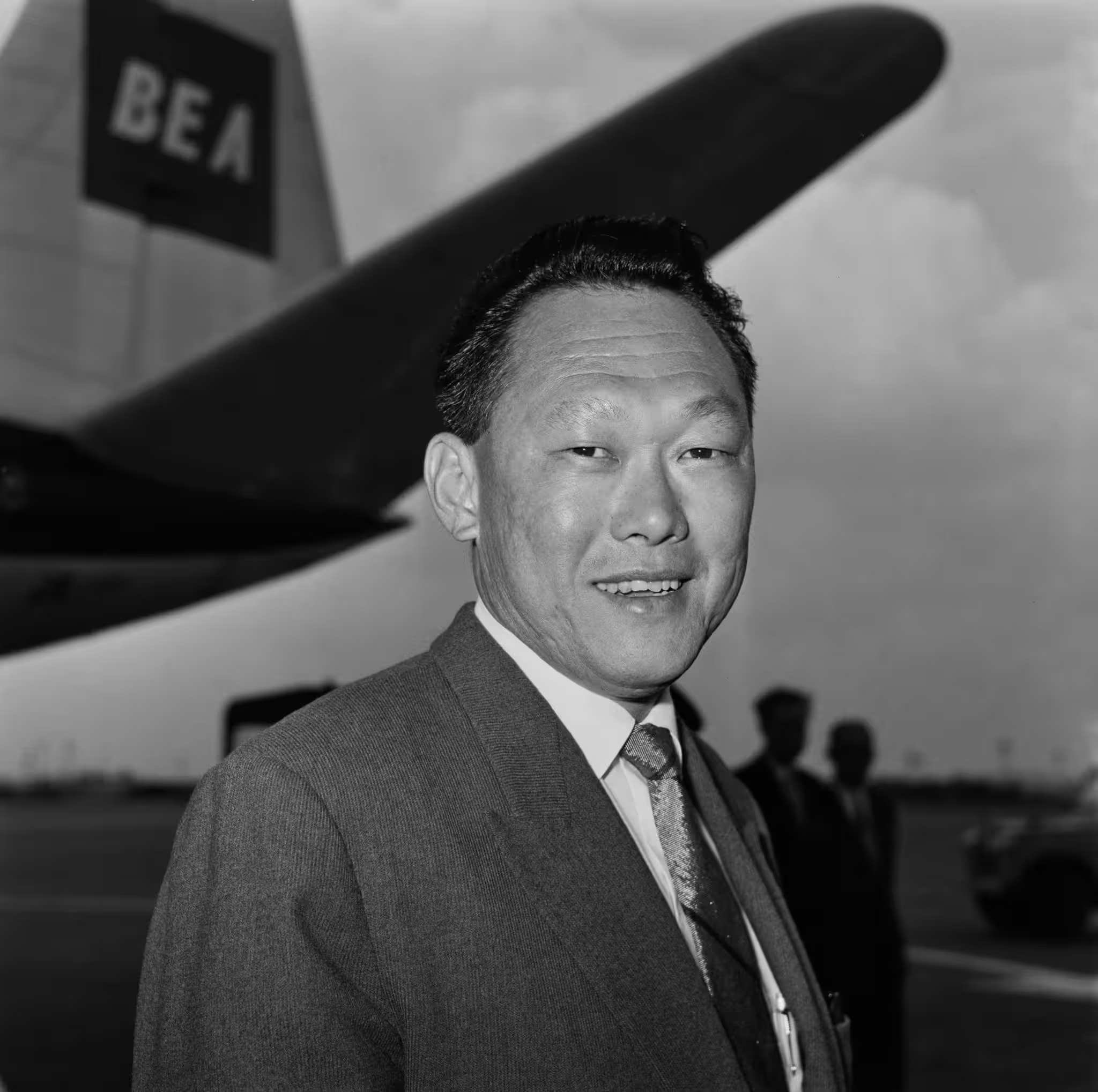
His government focused on education, public housing, security, foreign investment, infrastructure, and a strong fight against corruption. It was also known for strict measures, such as the ban on selling chewing gum and corporal punishment for certain crimes, decisions that continue to spark debate both outside and within Asia.
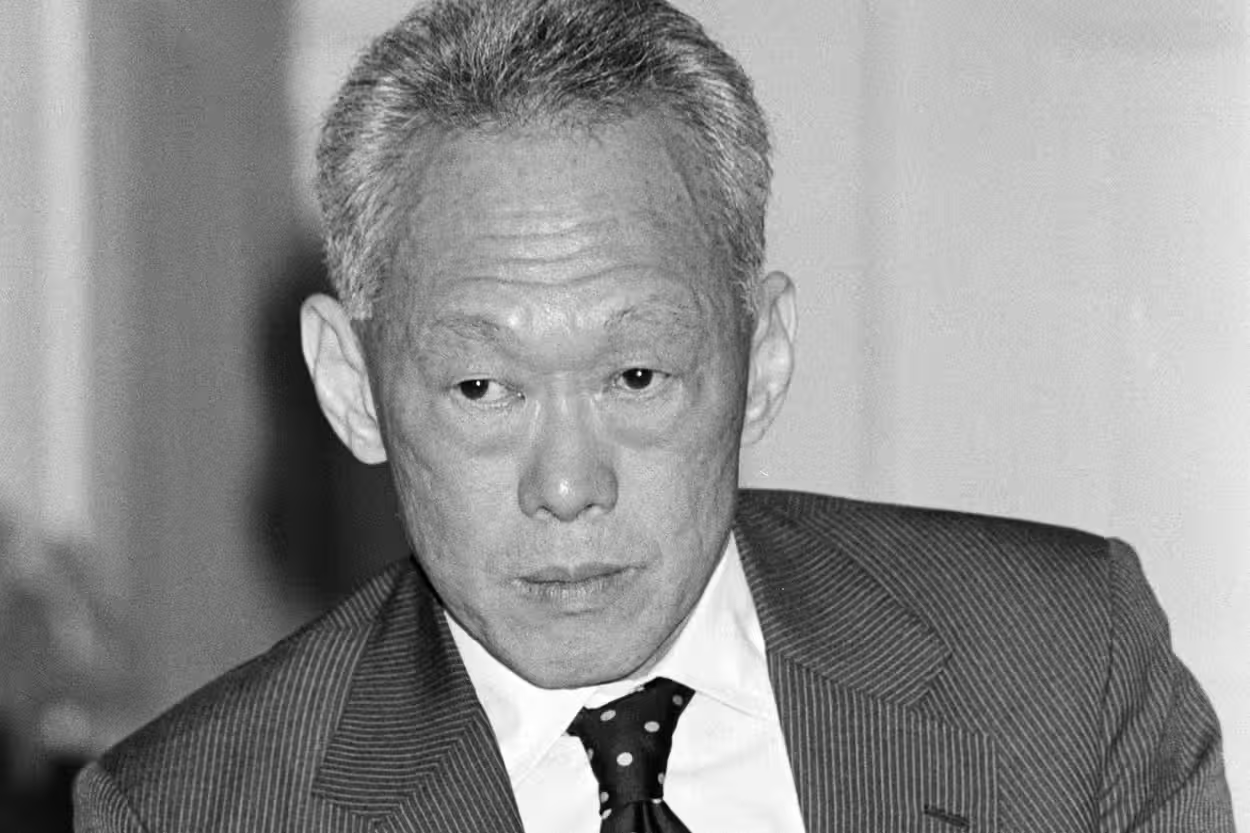
The result turned Singapore into a case studied in schools of politics and economics. Admired for its efficiency and criticized for its harshness, Lee Kuan Yew left behind a difficult question to answer: how much order can a country demand in order to build prosperity.