
Irena Sendler had a permit to enter the Warsaw Ghetto. She said she was going to inspect typhus. No one checked what she took out when she left.
Between 1940 and 1943, she smuggled out around 2,500 Jewish children hidden in burlap sacks, toolboxes, ambulances, and even coffins. She took them to Polish families, convents, anywhere a child could stop looking like what they were.
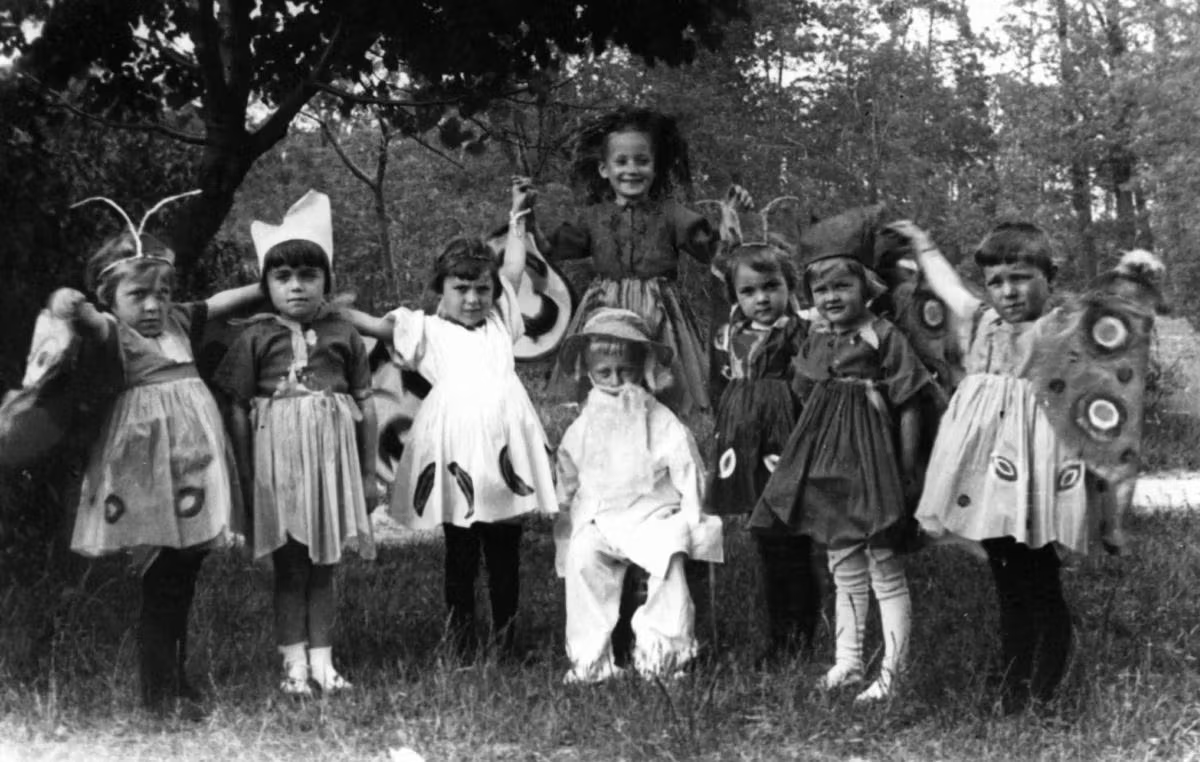
But getting them out alive was not enough for her. Sendler knew that in order to survive, those children had to forget their names, their parents, their language. So before handing them over, she wrote down on tissue paper who they really were: their Jewish name, their parents’ names, the address where they had lived.
She kept those papers in glass jars. She buried them under a tree, in a Warsaw garden, hoping that someone, someday, could unearth not only the paper but the entire identity of a child the world had tried to erase.
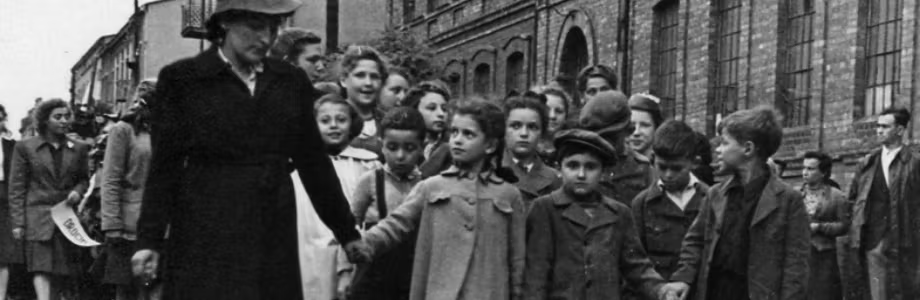
On October 20, 1943, the Gestapo arrested her. They took her to Pawiak prison and broke her feet and legs. She did not give up a name. Not that of a child, nor that of a collaborator, nor the location of the jars.
She survived. When the war ended, she returned to the garden and dug up the lists. Most of those children no longer had family waiting for them: their parents had died in the camps. But at least they knew who they had been.
Sendler lived the rest of her life without calling herself a heroine. She repeated, until the end, that she could have saved more.
That is what those who saved almost everything that could be saved always say.