Imagine the scene: a corpse has been decomposing for days or weeks, and its fingers no longer have the firm skin needed to take a normal print.
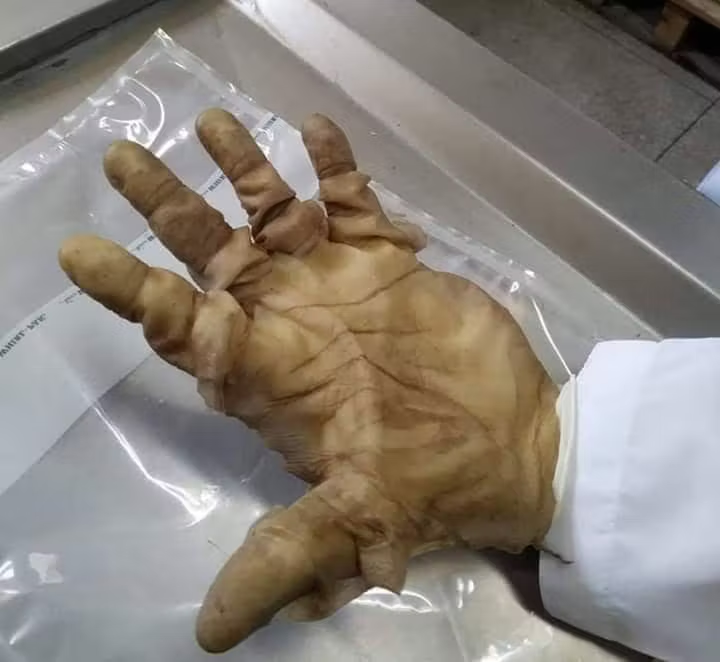
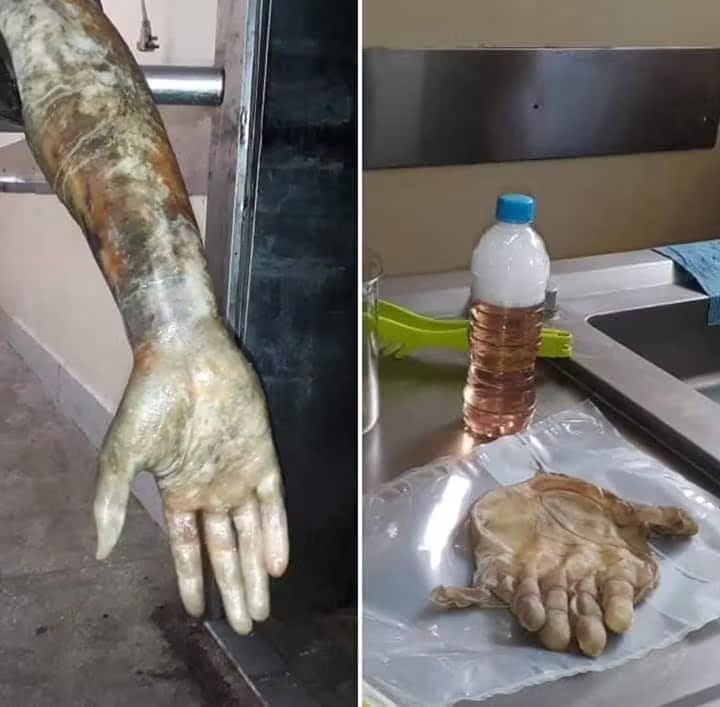
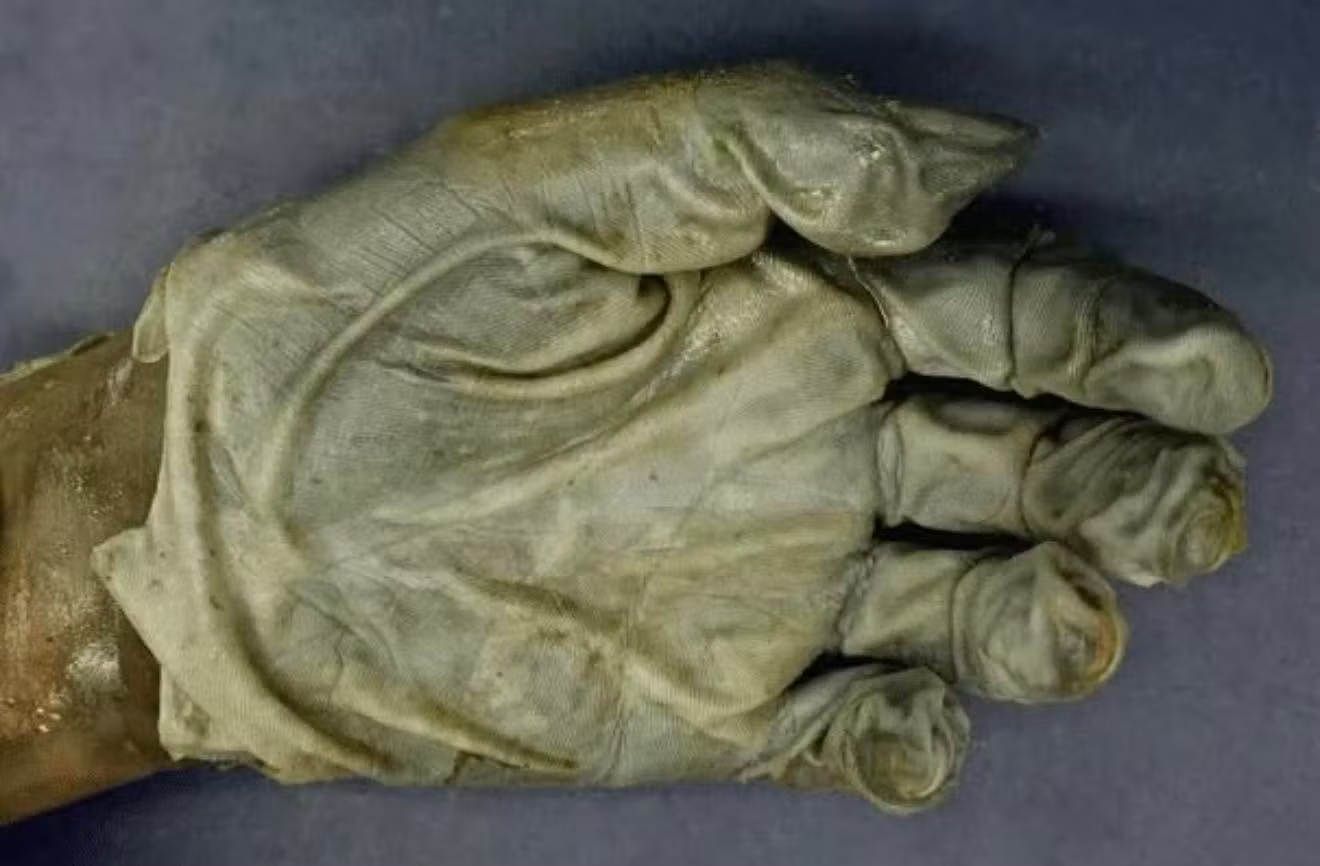
That is where the forensic expert comes in, wearing latex gloves and with a steady hand, carefully removing the loose epidermis from each finger of the deceased, like peeling a ripe fruit.
That skin, thin and flexible, retains something the rest of the body has already lost: the intact friction ridges.
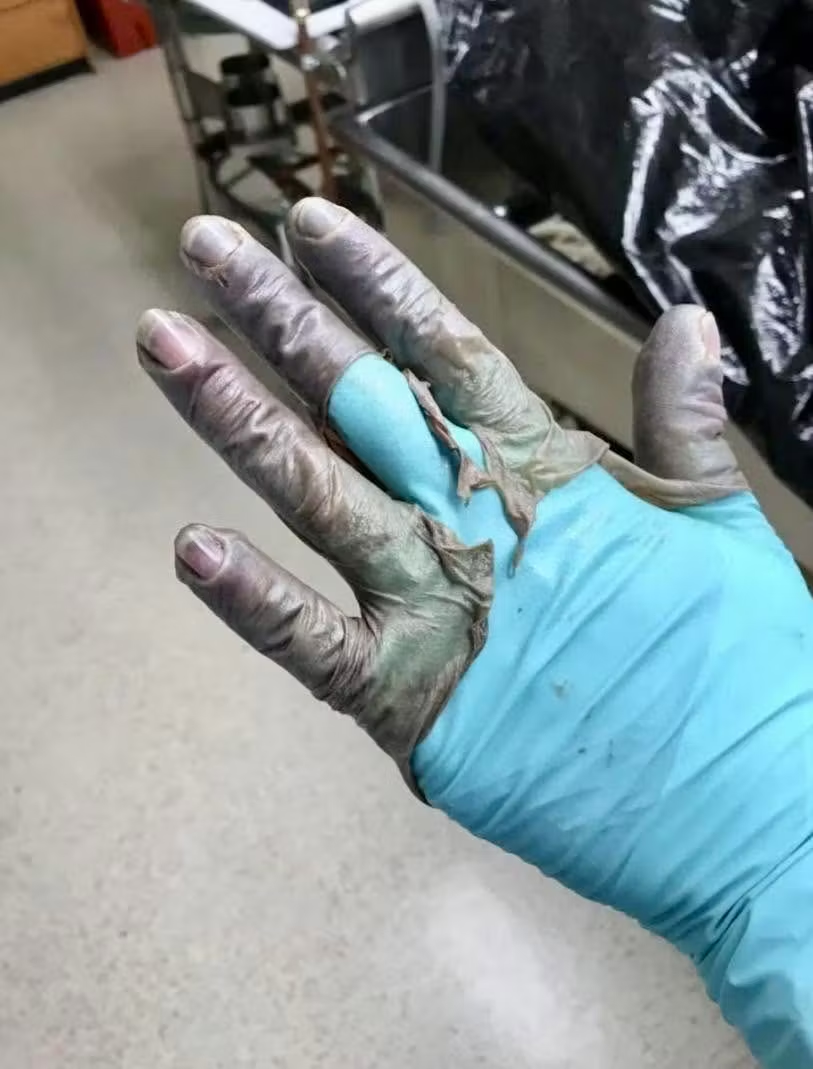
Then comes the part few people imagine: the specialist slips their own finger inside that чужая skin, as if putting on a glove made from another person. They press it onto ink, mark it on a card, and there appears the print that can give a name back to someone who no longer has a face.
It is used on burned, mummified, or severely decomposed bodies, when no other method works.
A direct, uncomfortable, almost intimate contact with death — but one that has made it possible to identify victims who would otherwise remain nameless forever.