
Messi cried after his first goal against Algeria. It was in the opening match of the 2026 World Cup, in Kansas City, after scoring a hat trick that should have been nothing but a celebration.
Some said they were tears of pressure. Others said he could no longer bear the weight of the shirt. No one asked what was happening at home.
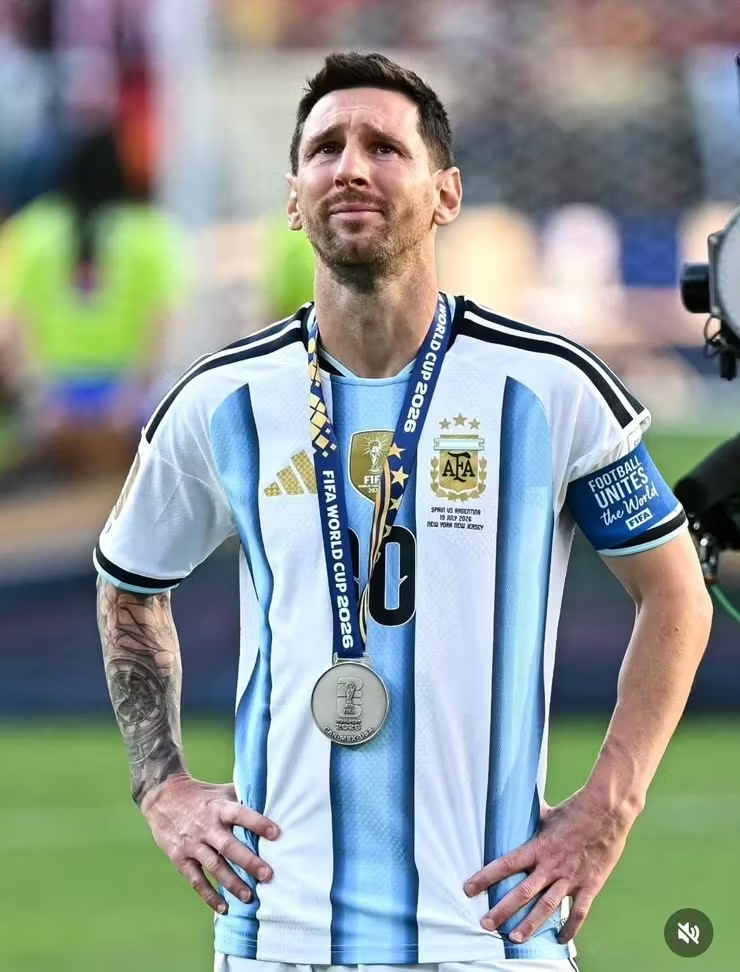
Two days later came the answer no one wanted to imagine. The Messi family confirmed that Jorge, his father and lifelong representative, was going through a serious health situation. He was under medical supervision. Recovering, according to the statement. Improving favorably, they said, although his body had already been failing since late 2025.
Jorge did not travel to that World Cup. Neither did Celia, his mother. For the first time in years, Messi played without them in the stands. And he played, and won matches, and smiled for the cameras, while carrying news he did not choose to share with the world.
During those weeks, many commented on his level, his demeanor, his character. They criticized him for not performing as expected, for looking different, for seeming absent in some plays.
No one knew that he was absent only in his mind, not on the field.
On August 7, after the tournament had ended, Jorge died in Rosario. He was 68 years old. The family never revealed what illness was consuming him. Nor did they ask for compassion while it lasted.
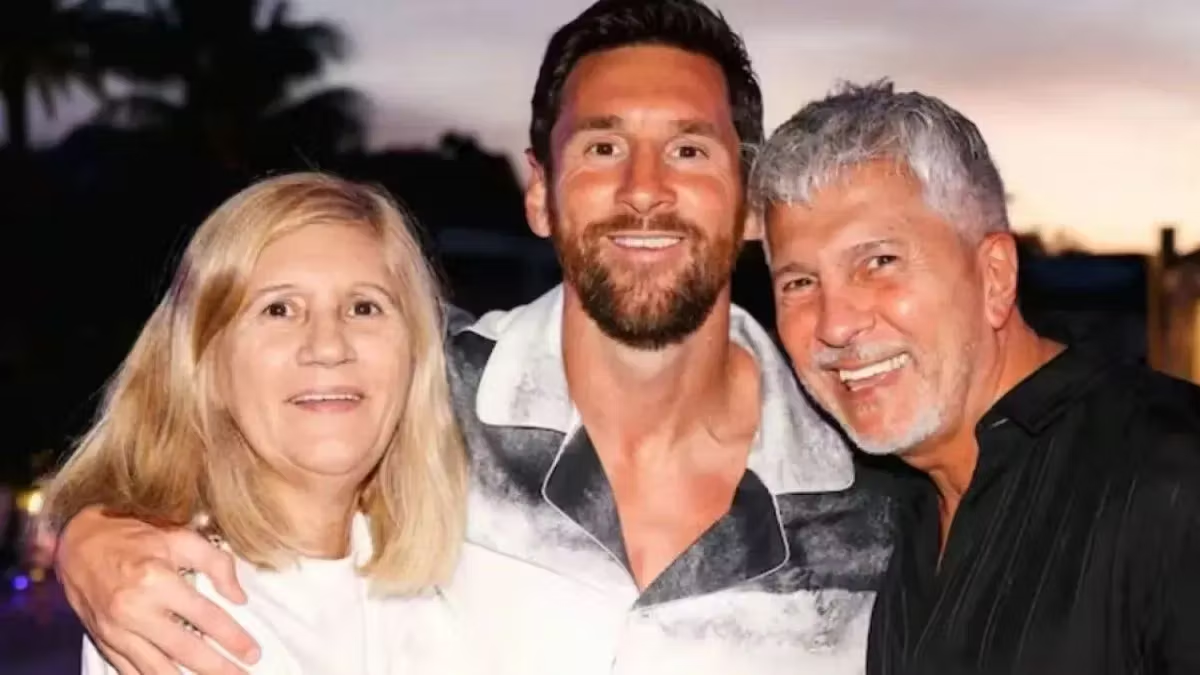
Messi played that World Cup with his father slowly dying in another country. And even so, he took the field, goal after goal, while social media debated whether he deserved to wear the shirt.
There were fans who demanded explanations for a tear. No one demanded respect for a son who was silently losing his father.
The next time someone judges a player for a long face, they should first ask themselves what they do not know.