
The girl was a patient at New York Presbyterian Hospital and had developed diabetes in 1920, when she began losing weight rapidly.
Before insulin became available, doctors tried to prolong these children’s lives with extremely restrictive diets, which could leave them severely malnourished.
Her condition became so fragile that specialists described extreme weakness and exhaustion.
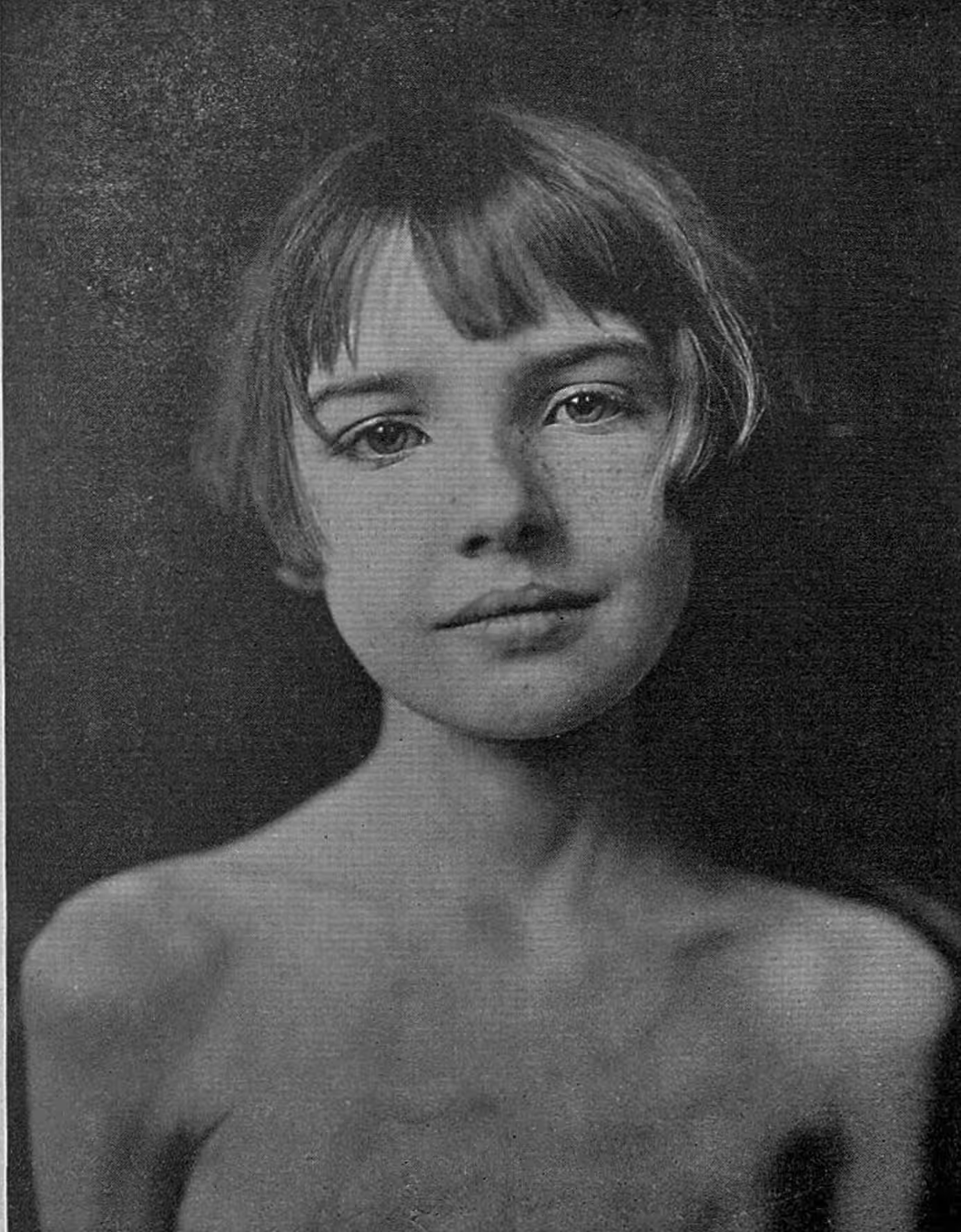
In November 1922, she began receiving insulin, a treatment that was only just beginning to be used in patients.
The changes were remarkable. Her food intake gradually increased, she regained weight, and she even started growing again.
Four months later, her face looked remarkably different, as shown in photographs published in a 1923 medical study.
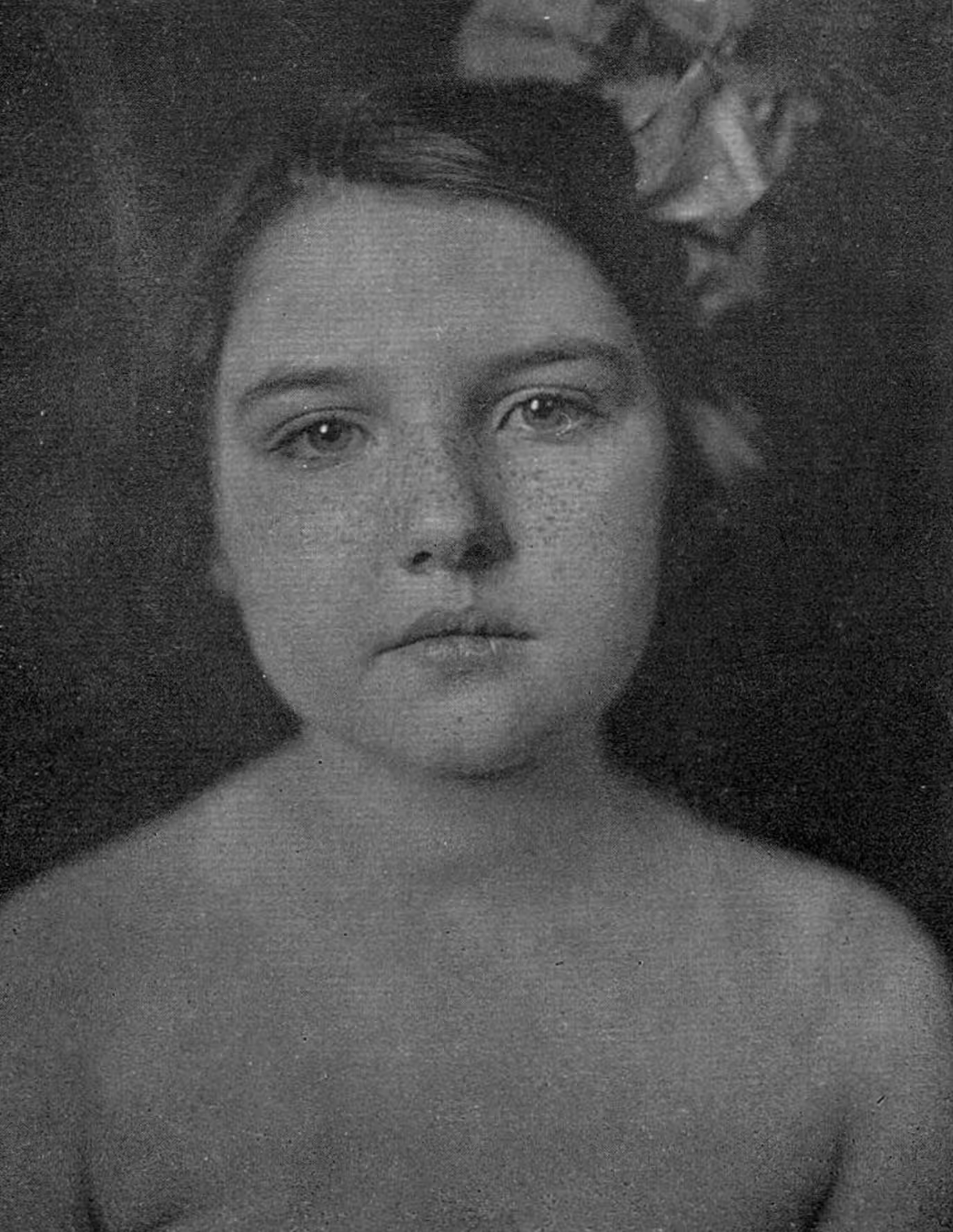
The girl was identified only as Case VI, and what happened to her for the rest of her life is not publicly known.
Insulin did not cure her diabetes, but it made it possible to control a disease that until then was often fatal to children.
These two photographs remain a powerful testament to how science can transform a life.