
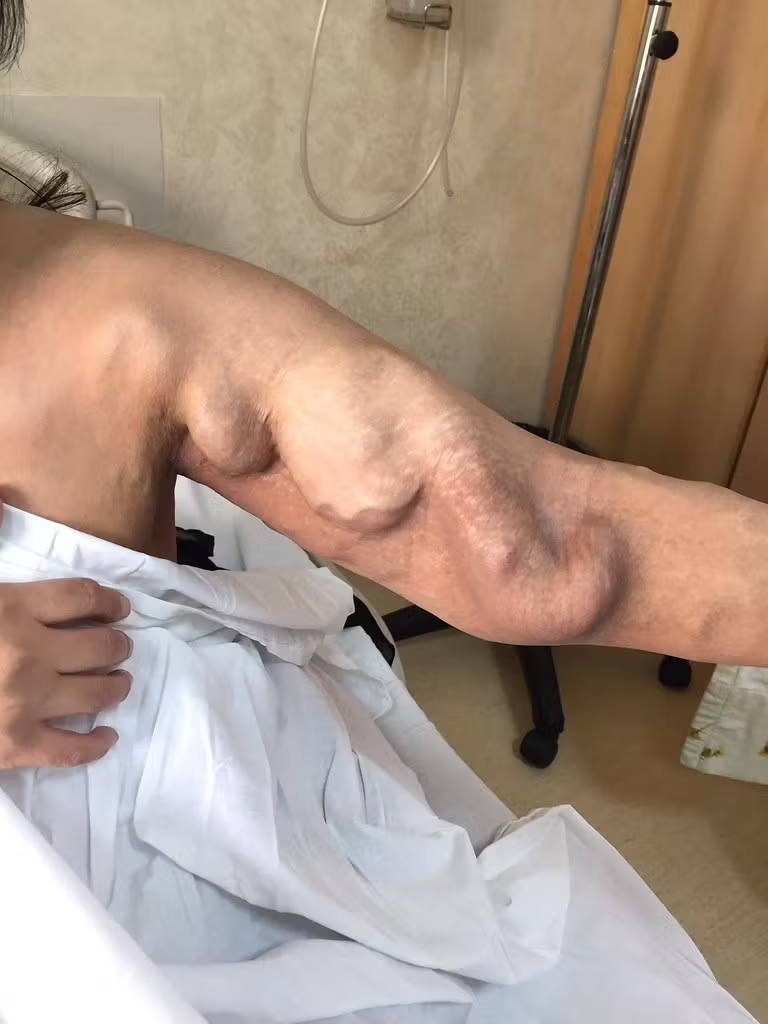
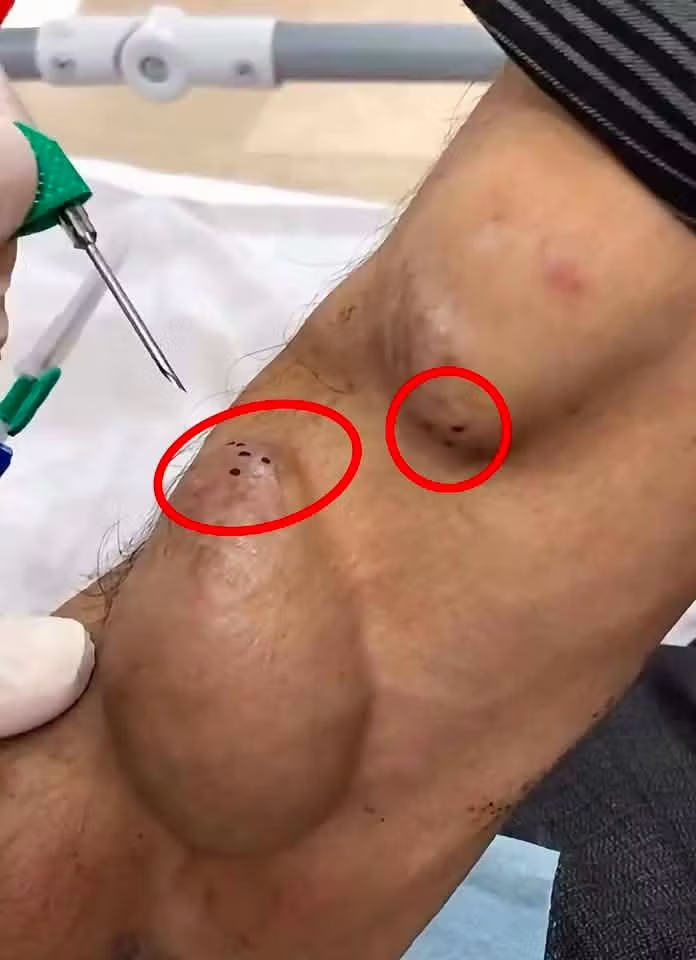
At first glance, thousands of internet users speculated about the presence of giant parasites, exotic infections, or uncontrolled tumors. However, the clinical answer is just as striking: it is an extremely dilated arteriovenous fistula (AVF).
What exactly is an arteriovenous fistula?
To understand why the arm takes on that monstrous shape, it is necessary to understand how normal blood circulation works:
- Arteries: They carry blood with high pressure and oxygen from the heart to the rest of the body.
- Veins: They return blood to the heart with much lower pressure and thinner walls.
- Capillaries: They are the tiny vessels that connect the two and reduce the force of the flow.
An arteriovenous fistula is a direct and abnormal connection between an artery and a vein, eliminating the natural bridge of the capillaries. This can occur due to trauma, congenitally, or, very frequently, through planned surgery for patients with kidney failure on hemodialysis.
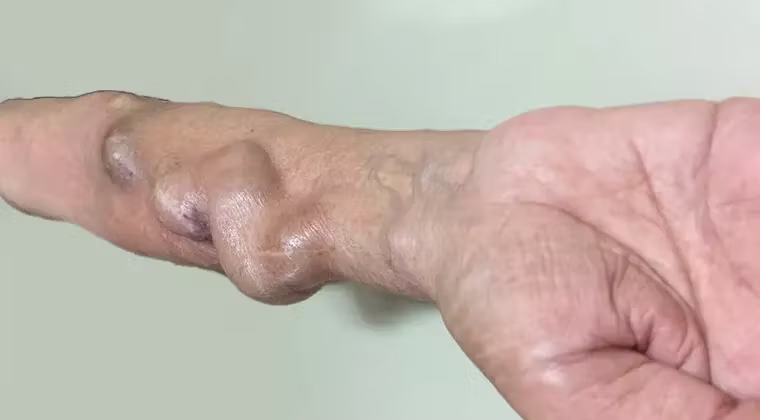
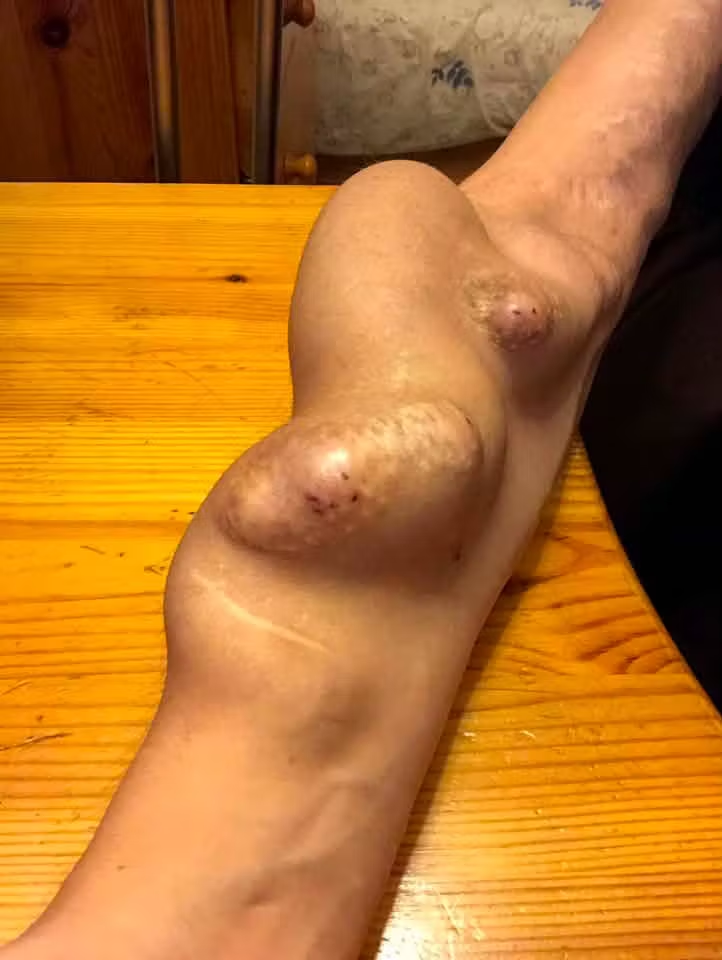
Why does the vein “swell” and become deformed in that way?
By directly connecting an artery to a vein, arterial blood—which travels with enormous force and pressure—suddenly enters a venous vessel that is not designed to withstand such an impact.
Over the months or years, the body tries to adapt to this excessive bloodstream:
- Arterialization and dilation: The wall of the vein thickens and expands to avoid rupturing.
- Aneurysm formation: If the pressure is too high or the fistula has gone decades without medical monitoring, the vein loses its linear shape and begins to “bulge” or inflate like a balloon, creating gigantic sacs and knotted curves that look like a creature twisting beneath the skin.
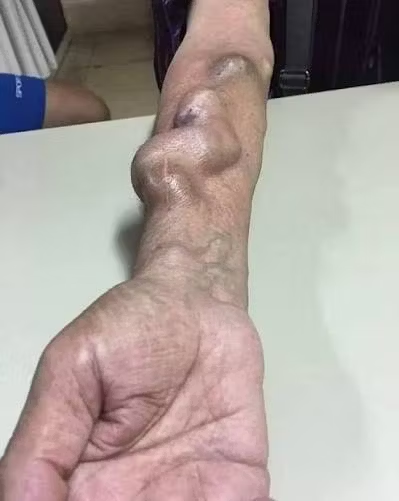
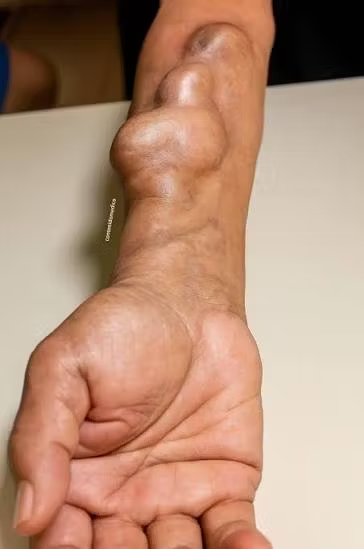
The deadly dangers behind the image
Although to the non-medical eye this phenomenon may seem like a morbid and fascinating spectacle, for the patient it represents an extremely high-risk condition requiring urgent surgical evaluation:
- Risk of massive hemorrhage: The skin over the bulge becomes so thin that any cut, blow, or minimal friction could rupture the dilated vein, causing profuse bleeding that is difficult to control.
- Heart failure: Since a huge amount of blood rapidly returns to the heart without passing through the resistance of the capillaries, the heart muscle is forced to work twice as hard and may collapse over time.
- Vascular steal syndrome: The fistula “steals” the blood that should reach the hand or fingers, causing pain, coldness, numbness and, in severe cases, tissue death (necrosis).
A reminder of the complexity of the human body
The striking case demonstrates how human biology can transform a blood vessel into an almost unrecognizable structure when internal pressures are altered. The image not only sparked the morbid curiosity of millions of users, but also helped bring visibility to the complex medical consequences faced by thousands of vascular patients around the world.
What did you feel when you saw the image for the first time? 😳🩸