
Jonathan Koch was 49 and attending a television industry summit in Washington when his fever rose to 39°C. He went to the hospital expecting an antibiotic. Two days later, he was in an induced coma.
His body had gone into septic shock and, to protect his vital organs, diverted blood away from his extremities. His hands and feet turned black from necrosis. He lost part of a leg, all his toes, and his left hand. Doctors never managed to precisely name the illness that attacked him.
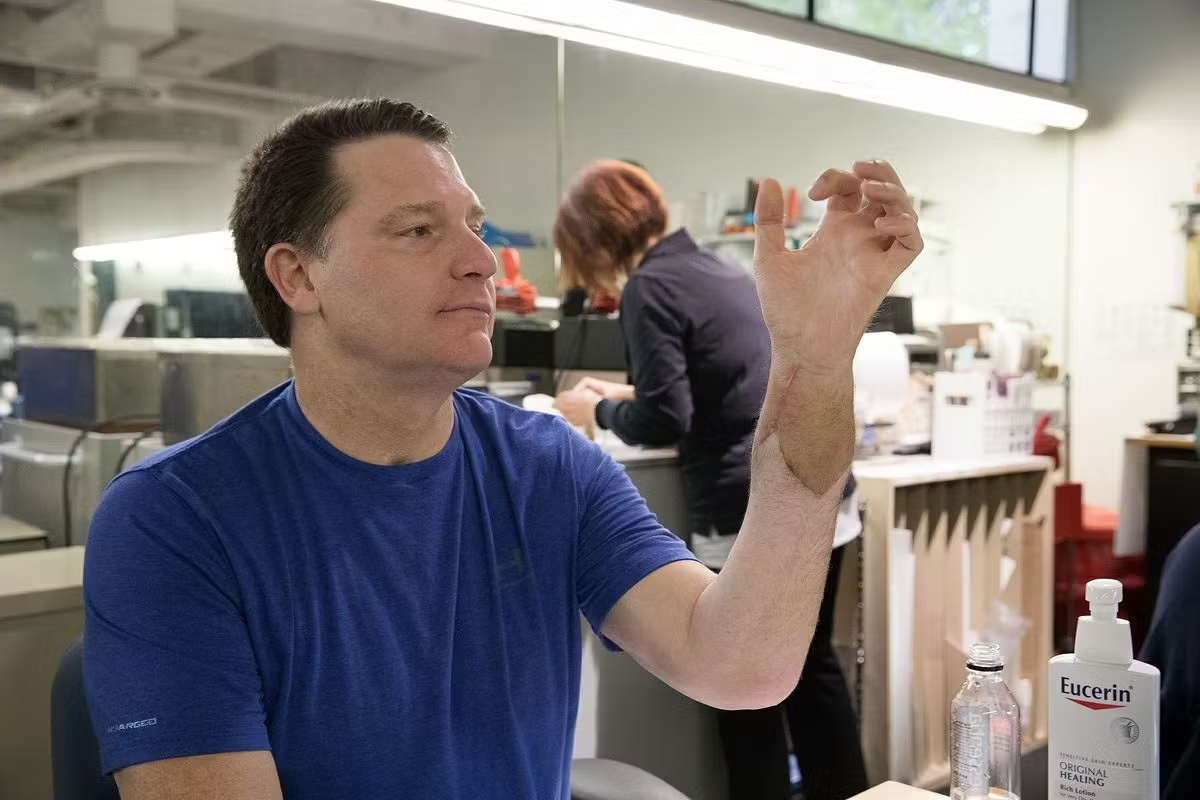
In October 2016, now 51, he entered the operating room at Ronald Reagan UCLA Medical Center. Only about 85 hand transplants had been attempted worldwide, and finding a donor who matched in size, skin color, and hair had taken seven months of waiting. The operation lasted 17 hours.
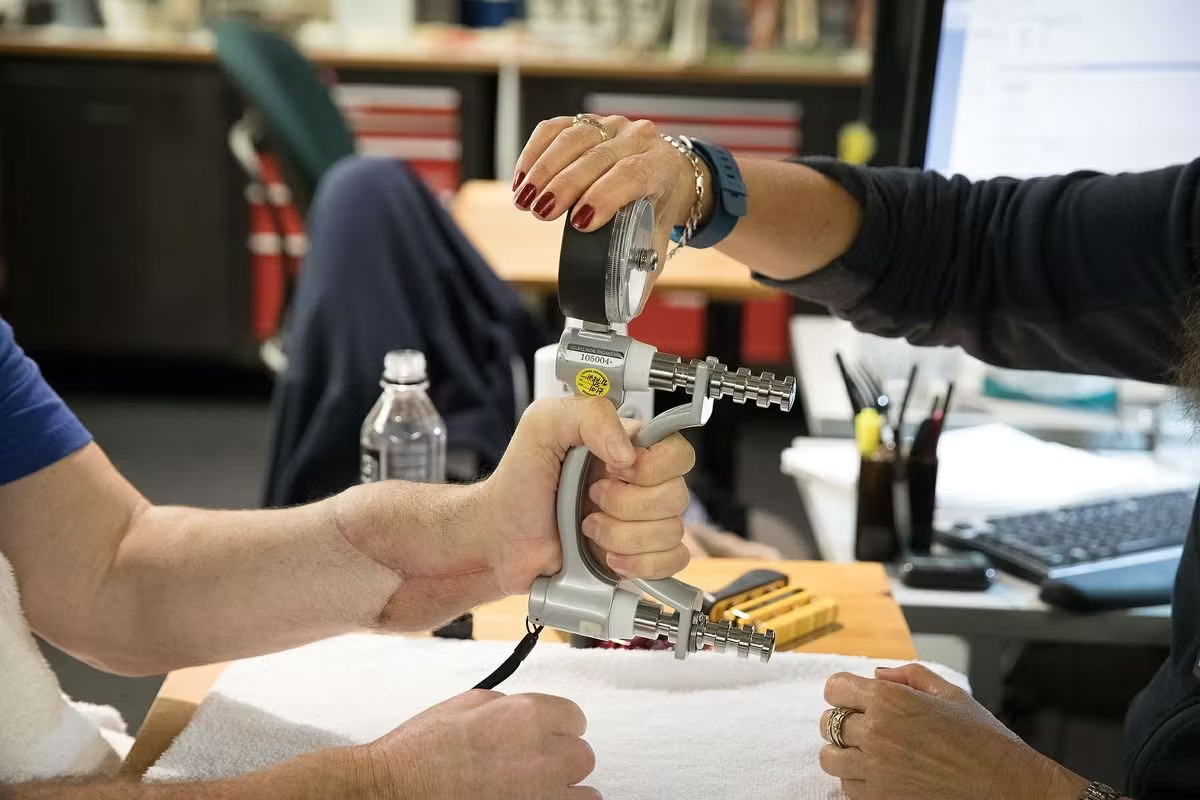
Dr. Kodi Azari, the program’s surgical director, had laid the groundwork with a novel technique: when amputating near the wrist, he left the nerves and tendons long so they could be connected to the transplant. Six months later, Koch had already held a jump rope, dribbled a basketball, unscrewed a bottle cap, and hit a ball with a tennis racket.