
Jorge Horacio Messi died on Saturday, August 8, 2026, at two in the morning, at the Sanatorio Centro in Rosario. He was 68 years old and had been ill for some time.
Long before accompanying his son around the world, Jorge wanted to be a player for Newell’s Old Boys. He played as a midfielder in the club’s youth ranks. Those who saw him say he was a solid midfielder, one of those players who are never missing but never stand out either.
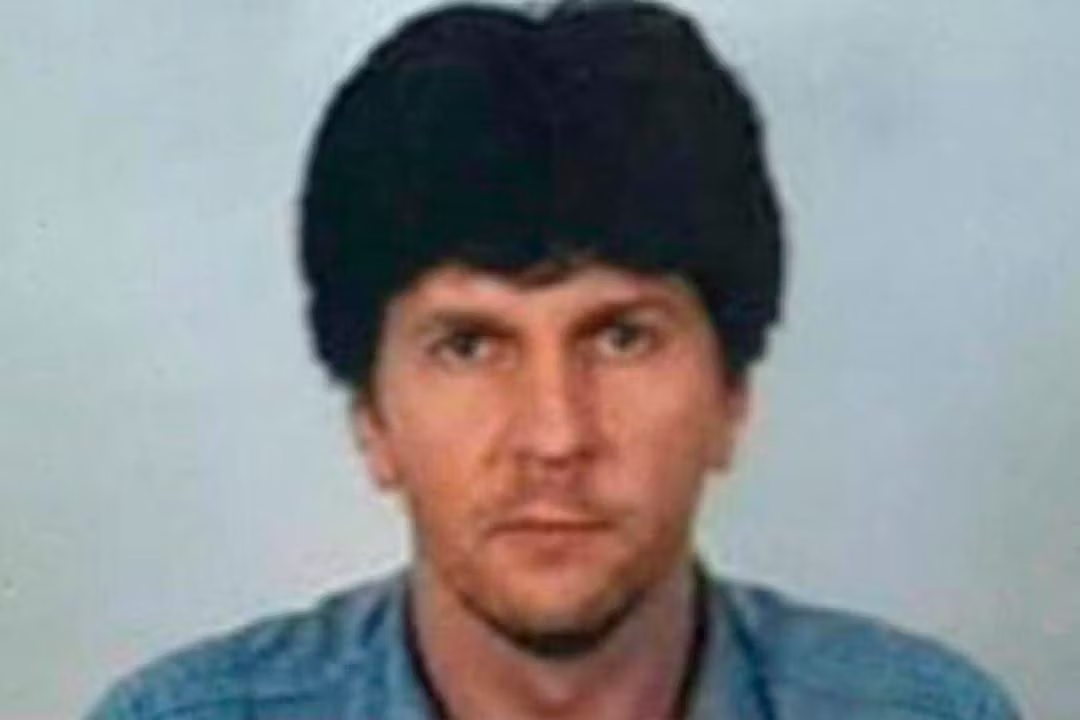
That dream was abruptly cut short. Mandatory military service came along, and he never returned to the pitch. Just like that, without drama, like someone who accepts that certain doors close on their own.
He married Celia Cuccittini. He worked as a bill collector at a medical institute. Then he made screws in a metalworking shop. None of those jobs was the one he had dreamed of, but he did them anyway, with his head down and the determination to support a household.
He decided to study. He trained as a chemical technician and in the eighties joined Acindar, the steel company in the southern area of Rosario. There, over the years, he rose to become a manager.
And yet, something about football never left him. He was always seen at the Malvinas pitches, Newell’s youth complex, standing on the sidelines in his work clothes, watching one of his sons train.
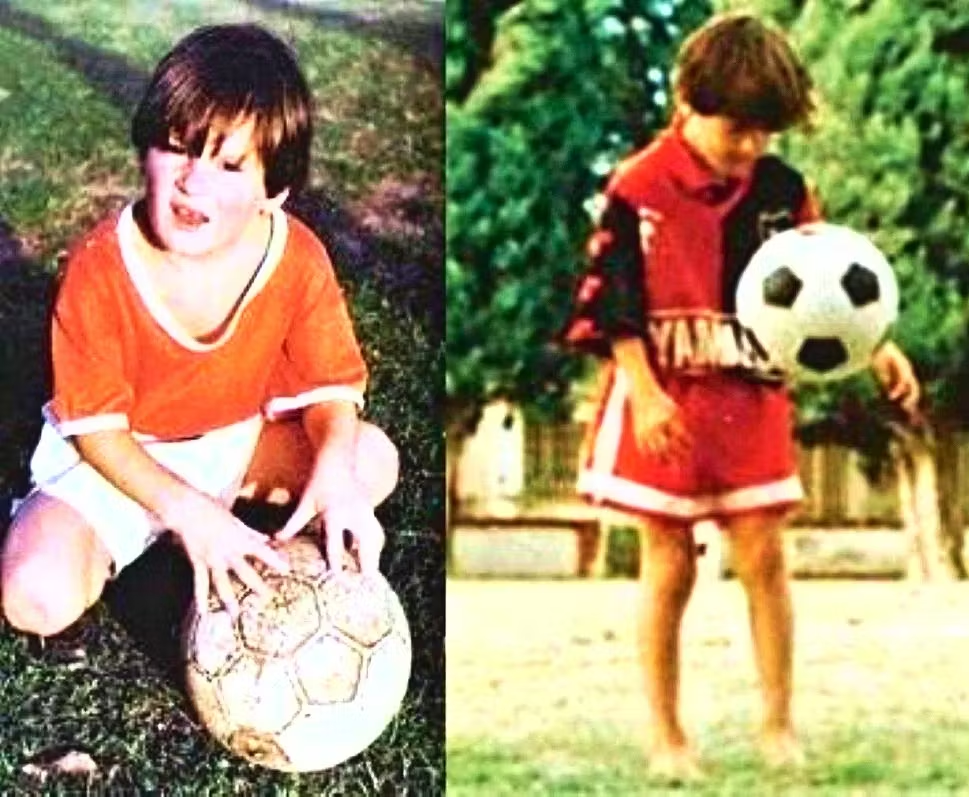
The midfielder who could not make it ended up as a spectator. But from that edge of the pitch, without knowing it, he was watching how the dream that had been cut short for him, in other legs, remained alive.