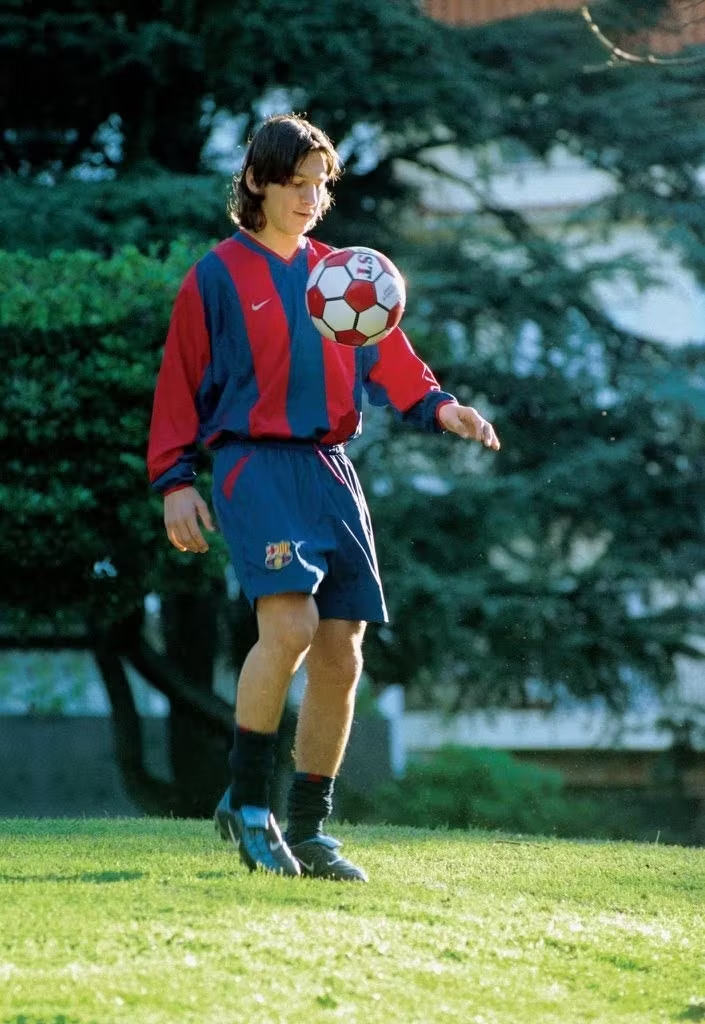
At the age of nine, Lionel Messi stopped growing. In Rosario, Argentina, it took a doctor more than a year to find the cause: growth hormone deficiency, a disorder that affects very few children in the world and that, without treatment, would have left him at just over one meter forty.
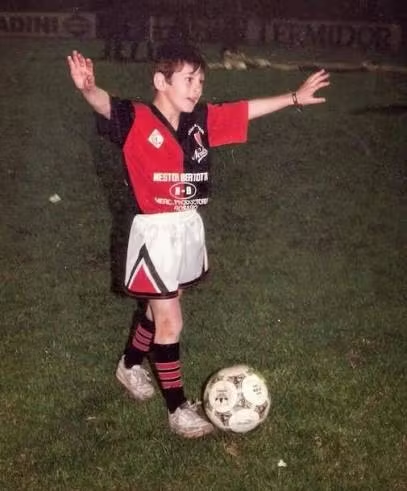
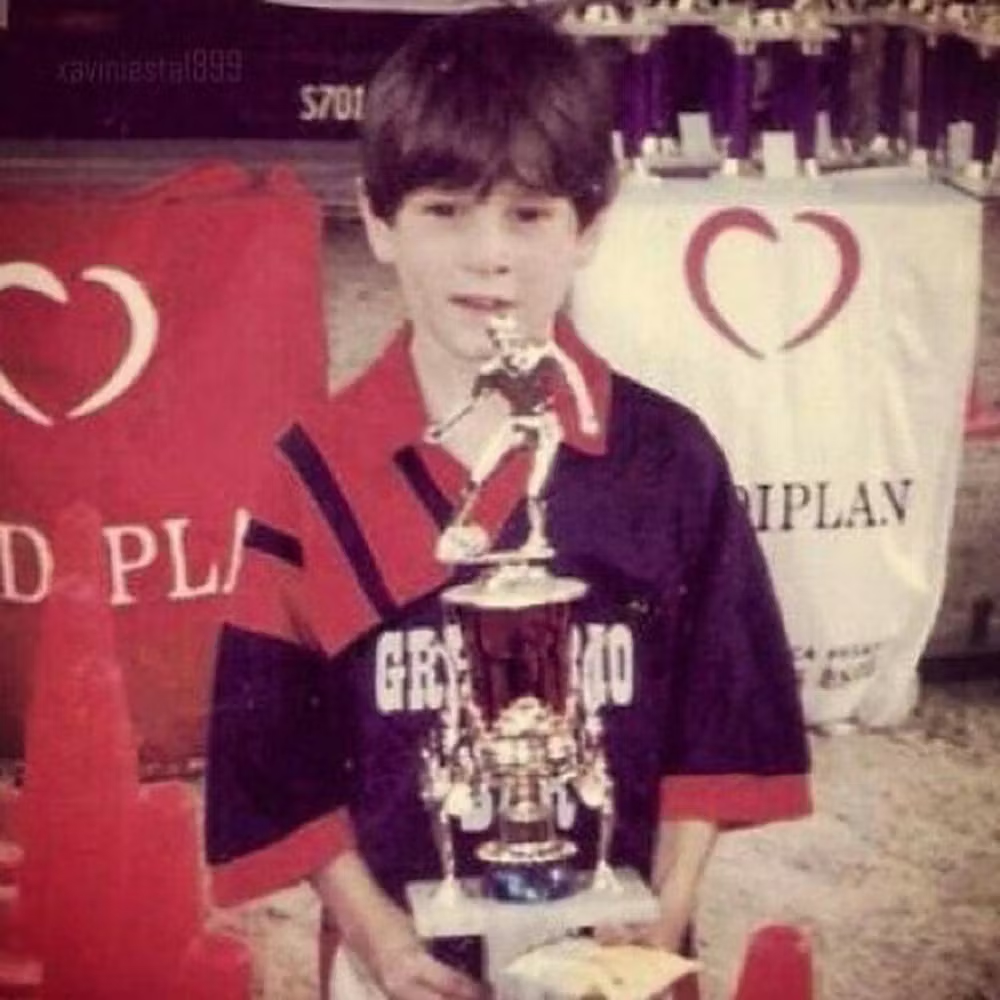
The treatment consisted of daily injections in his legs, which he began at age 11 and continued for nearly three years, without missing a single football tournament. It cost about $1,500 a month, an impossible amount for his family: his father worked at a steel mill, and his mother cleaned houses by the hour. The club helped him for a while, but did not want to make a long-term commitment to such a small child.
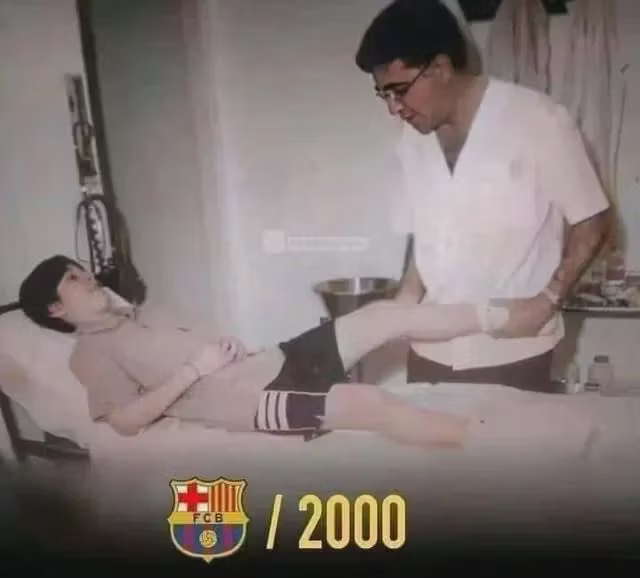
At 13, with family contacts in Catalonia, his parents secured a trial at La Masia, FC Barcelona’s academy. Messi scored five goals in that training session, and the club agreed to pay for his treatment right there, in a deal written on a napkin. A year later, already 1.70 meters tall, he stopped the injections forever.