
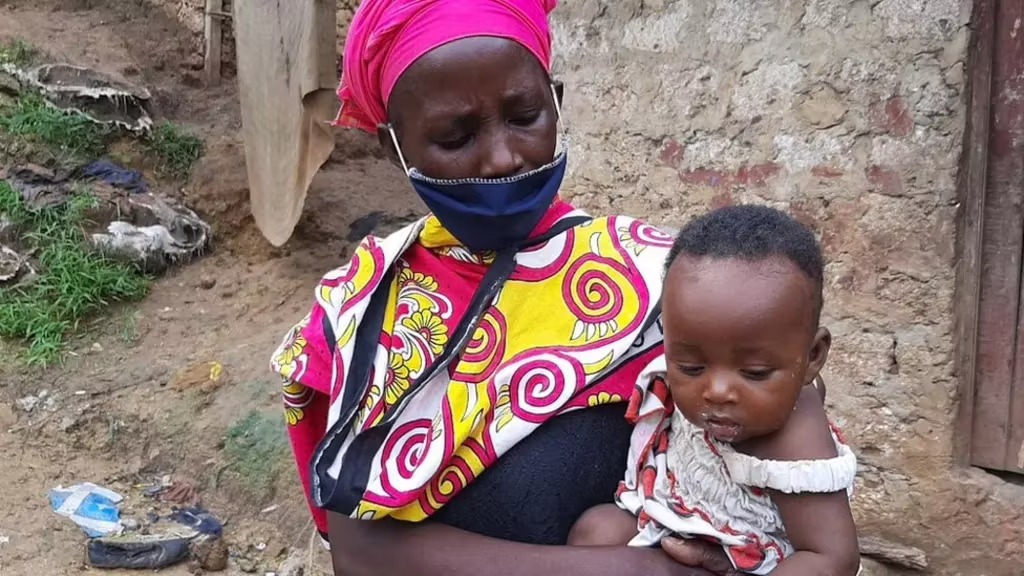
Peninah Bahati Kitsao, 45, put stones inside a pot of water and let it boil in front of her eight children. There was nothing inside.
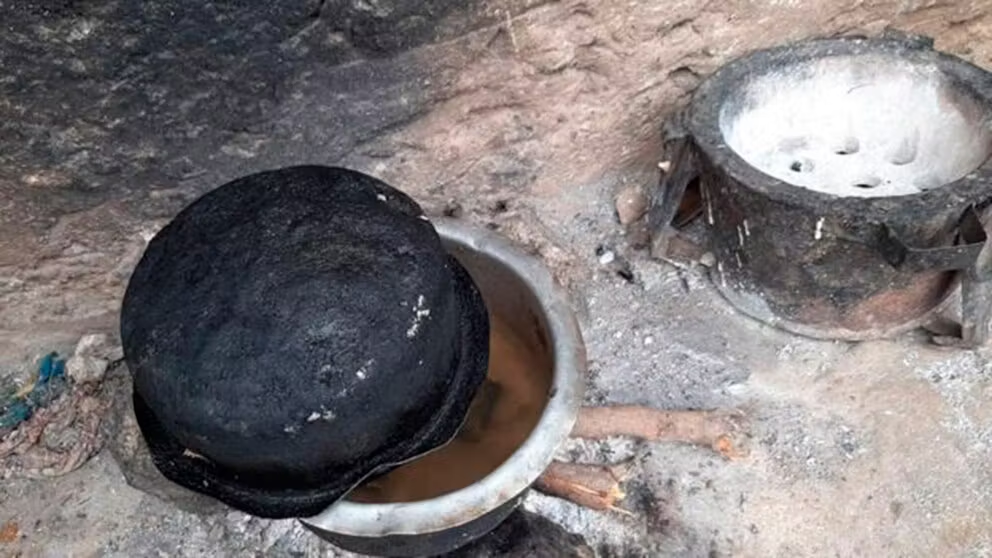
She only wanted the sound and steam to convince them that dinner was on the way, so that sleep would come before the questions.
It was 2020, in Mombasa, Kenya, and the pandemic had taken away her only source of income as a laundress. A year earlier, she had lost her husband, murdered by a criminal gang, and since then she had been supporting a home without water or electricity on her own.


Over time, her children discovered the deception. They told her they knew there was no food, but that they understood she had nothing else to give them.
A neighbor, psychotherapist Prisca Momanyi, heard the children crying from hunger and alerted a local television channel.
What began with an empty pot ended in donations, aid, and an entire community that decided that family would never again have stones for dinner.