
It has a head stretched out like a cone. That is what the skull now housed at the Museum of Osteology in Oklahoma City, United States, looked like—a piece that came from a private collection and carries with it a mystery no one has been able to solve.
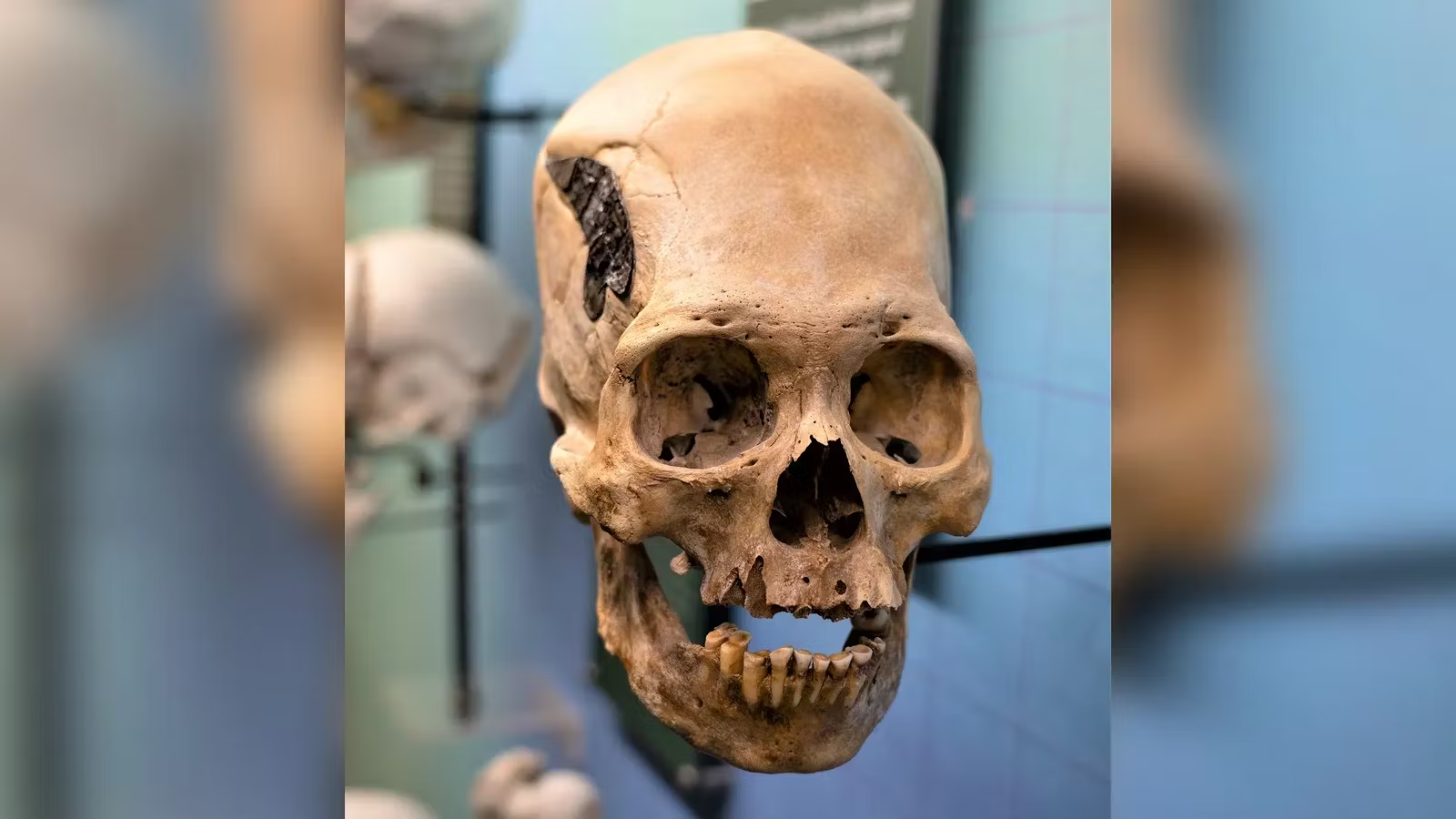
The elongated shape is not particularly surprising: in ancient Peru, it was common to wrap children’s heads from a young age to achieve that appearance, a sign of status within certain Andean cultures. What is puzzling is what lies beneath a hole in the bone—a thin, dark piece of metal, apparently shaped by hammering, located exactly where a trepanation may have been performed, an ancient practice used to treat wounds or relieve pressure in the skull.
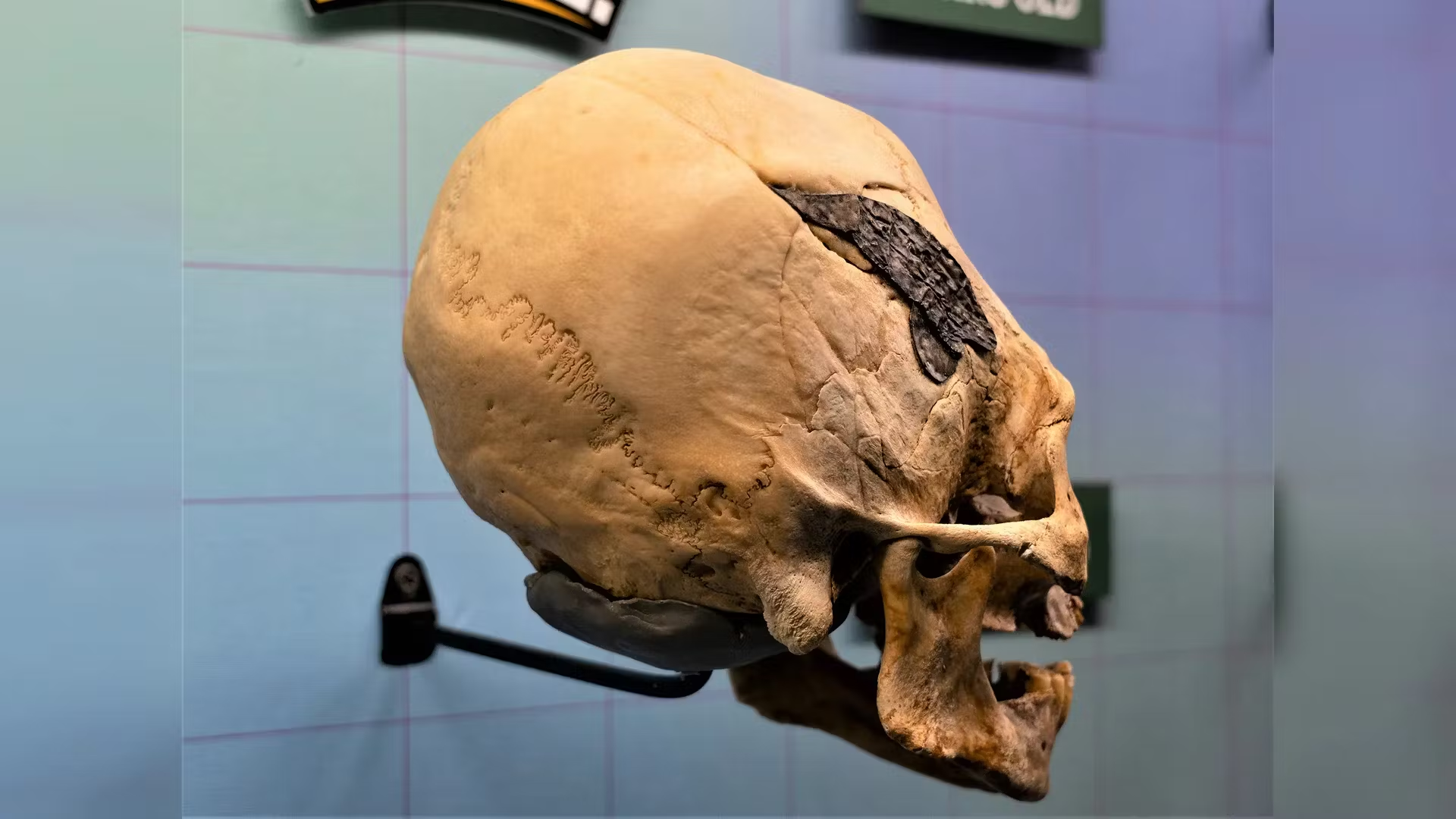
Anthropologist Danielle Kurin, of the University of California, Santa Barbara, admitted that she had never seen anything like it. But John Verano, of Tulane University and an expert on trepanned skulls, is skeptical: he recalls similar cases that turned out to be funerary offerings or outright forgeries. Without carbon dating or a thorough archaeological examination, the skull continues to keep its secret.