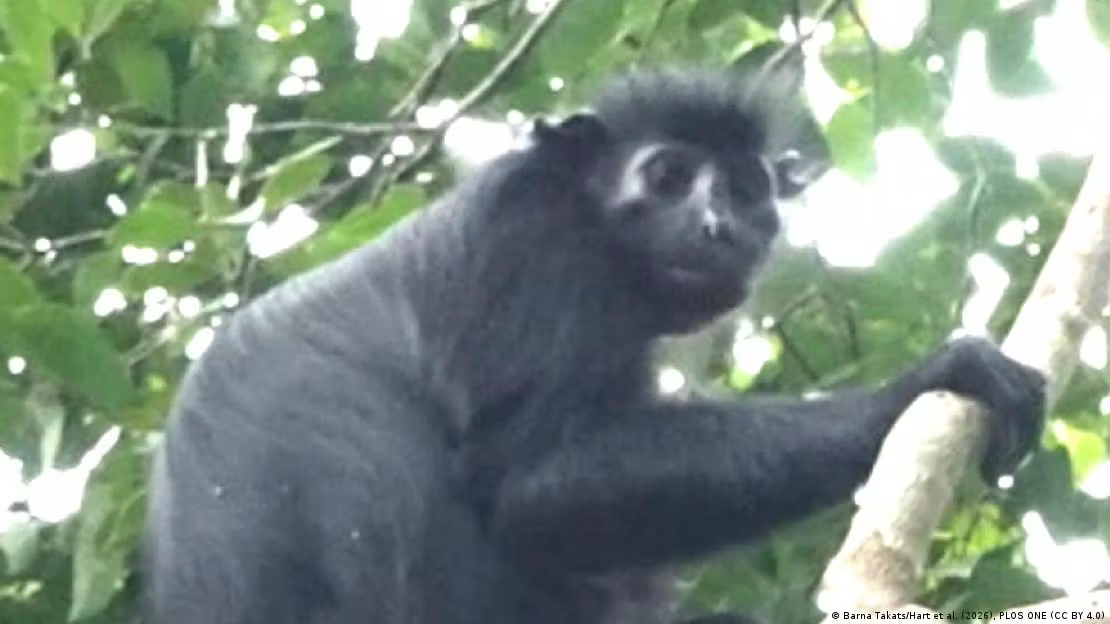
It all began with a blurry photograph, taken in 2008 in Lomami National Park, in the Democratic Republic of the Congo. No one paid much attention to it until, ten years later, a second clue of the same elusive animal appeared. That second sighting was enough for a team of scientists from the United States, Germany and the Congo itself to decide to seriously pursue it.
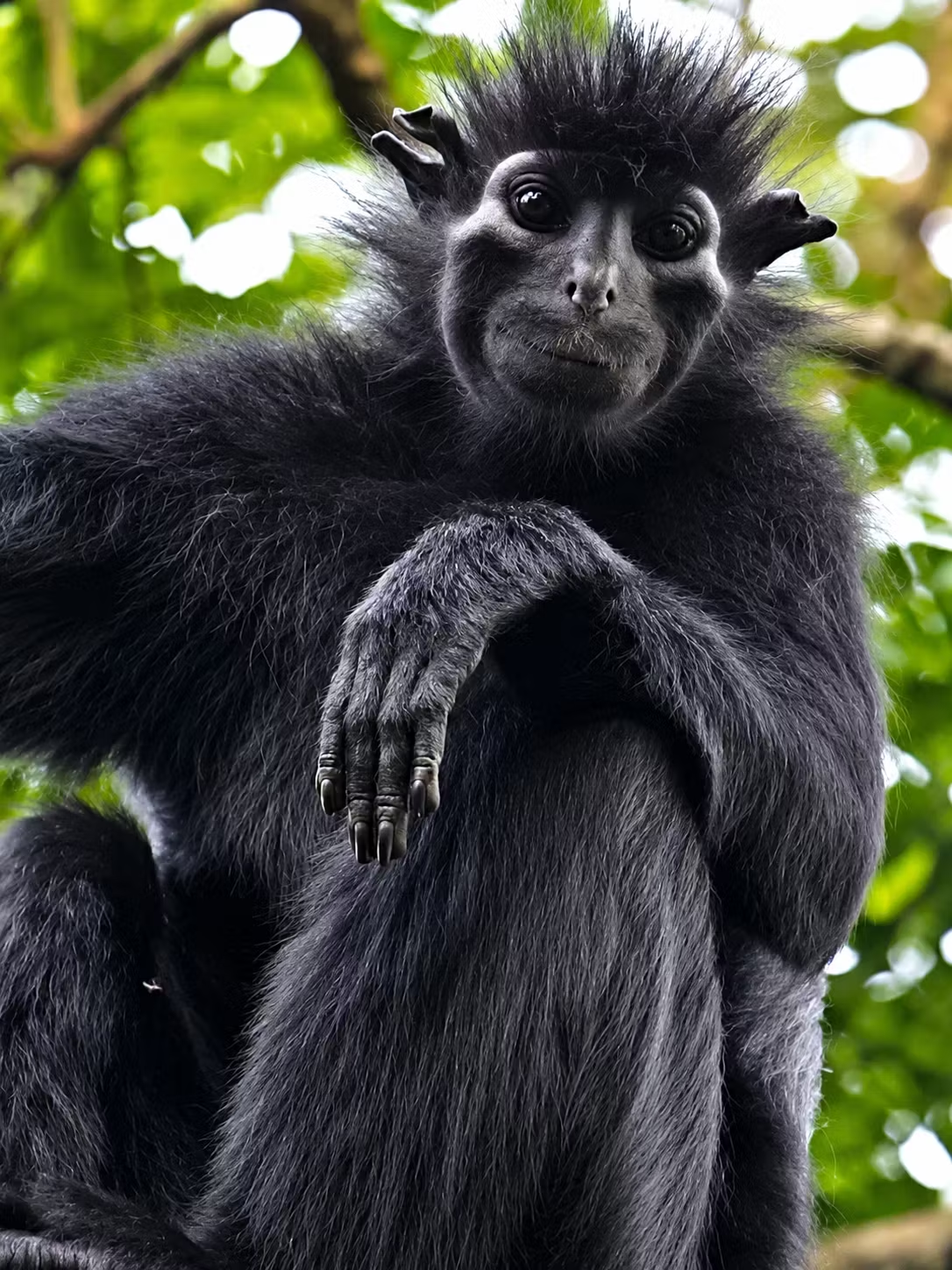
What they found was a creature that looks as though it were designed by an illustrator: black fur, a white patch near its tail and intensely pinkish-orange lips, almost painted on. Local residents already knew it as Likweli, but to science it did not exist. Its deep, harsh roar sounds more like the croak of a giant frog than the typical call of a primate.
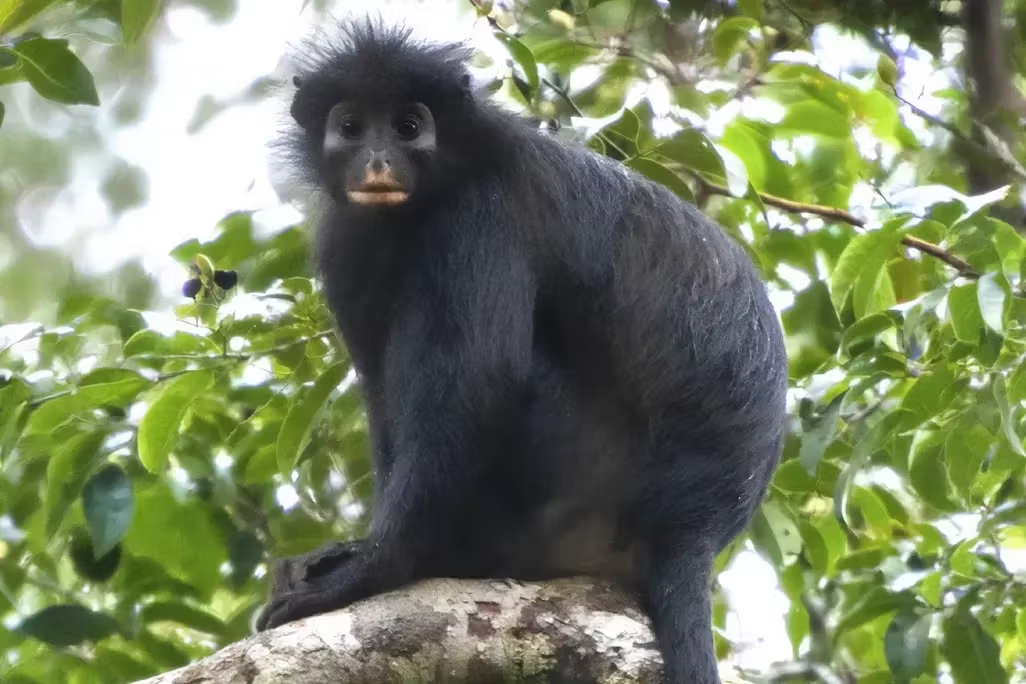
Genetic analyses, published in the journal PLOS One, confirmed that it is a completely new species, Colobus congoensis, separated from its closest relatives between 4 and 5 million years ago. It is the fifth monkey species discovered in Africa in 75 years. But researcher Kate Detwiler and her team warn of something that dampens the celebration: they live in such a small area that deforestation and hunting could wipe them out before you finish getting to know them.