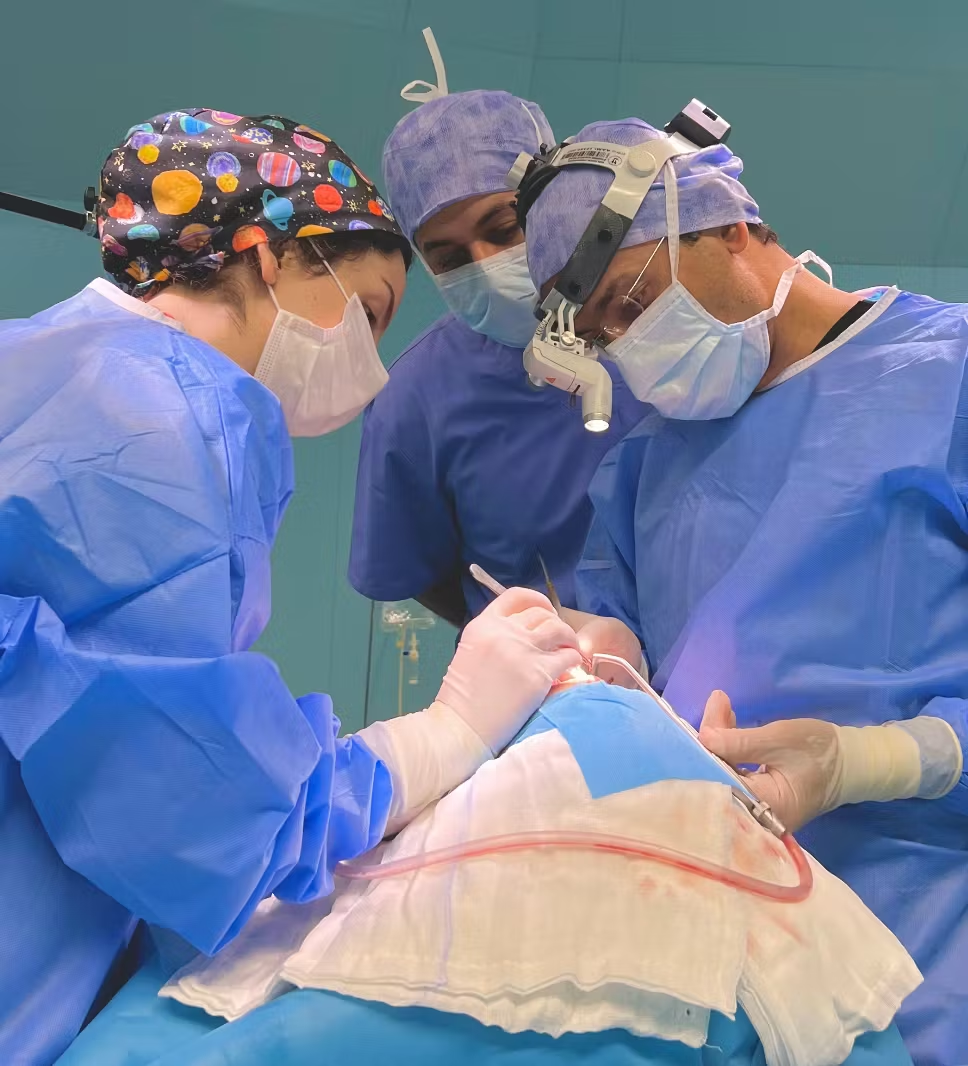
An invisible signal reached the operating room. The team led by Samuel Achilefu developed glasses that, together with a fluorescent agent, capture near-infrared light and convert it into a visible image. That image helps surgeons distinguish tumor tissue from healthy tissue during an operation.
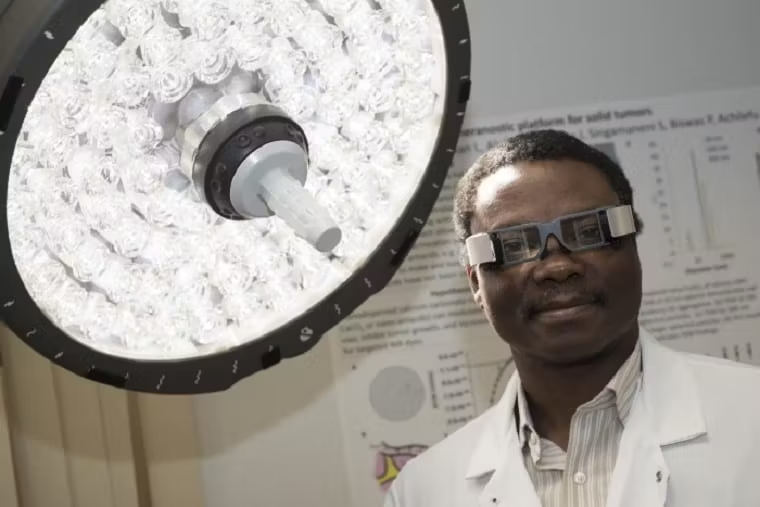
The first documented surgical use took place on February 10, 2014, during breast cancer surgery at Siteman Cancer Center in St. Louis. Surgeon Julie Margenthaler used the system as an aid: it does not cure cancer or guarantee that all malignant cells will be detected.
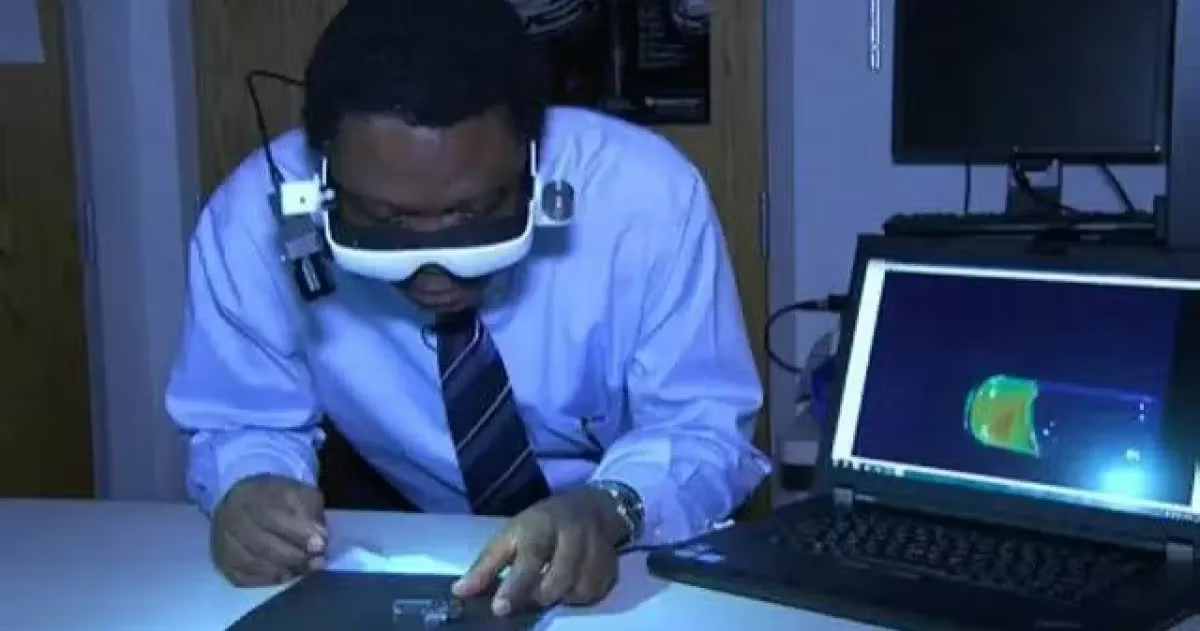
In 2024, FAR-Pi was published, an experimental system using Raspberry Pi, commercial components, and 3D-printed parts. Evaluated in a preclinical model, it aims to reduce costs and facilitate future access, especially in places with fewer resources. The research thus explores how to bring fluorescence-guided imaging to more settings.