In Pyongyang, the thermometer reached 36.7°C on August 6, 2026, the highest figure since records began in the North Korean capital.
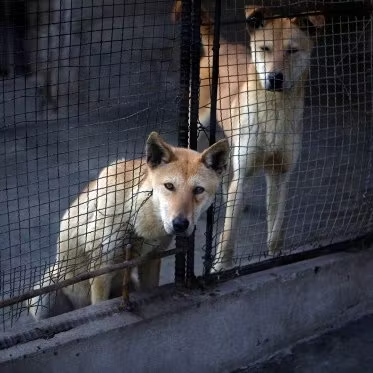
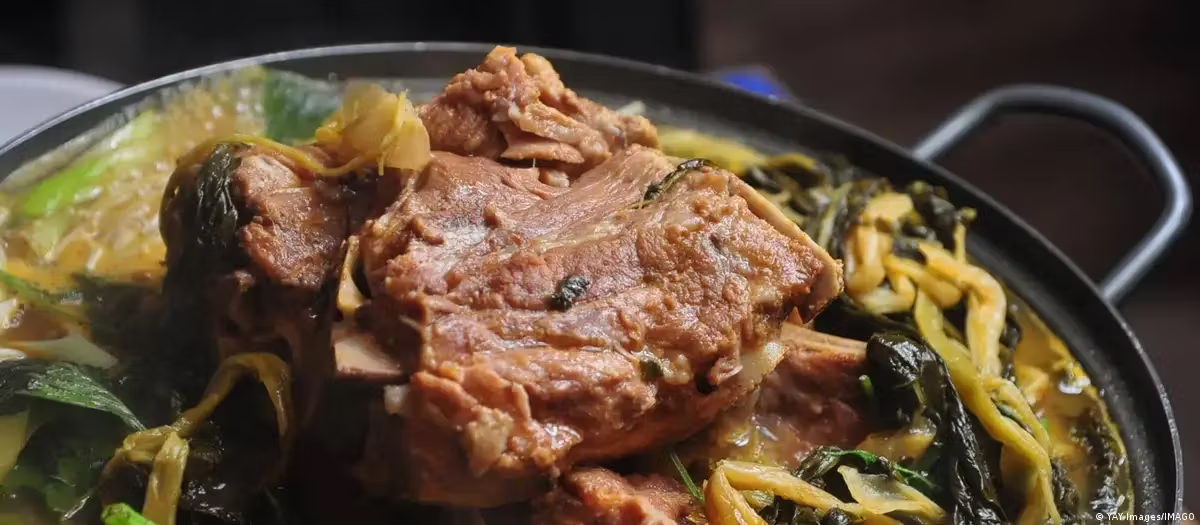
The official response was not to install fans or distribute water: the Rodong Sinmun newspaper, the mouthpiece of the Workers’ Party, quoted a doctor who recommended dangogi guk—dog meat soup, literally “sweet meat soup”—as a nutritional contribution to withstand the heat. The state agency KCNA added another recipe, samgye-tang, a chicken broth with ginseng and glutinous rice.
The scene becomes more uncomfortable if you look across the border. In South Korea, the heat has already caused at least 23 deaths and a temperature of 42.5°C, but the country has also passed a law that will ban the breeding and sale of dog meat starting in February 2027. Two countries, the same peninsula, the same heat wave—and two completely opposite ways of responding to it, in a nation where, according to the UN, more than 40% of the population suffers from malnutrition.